
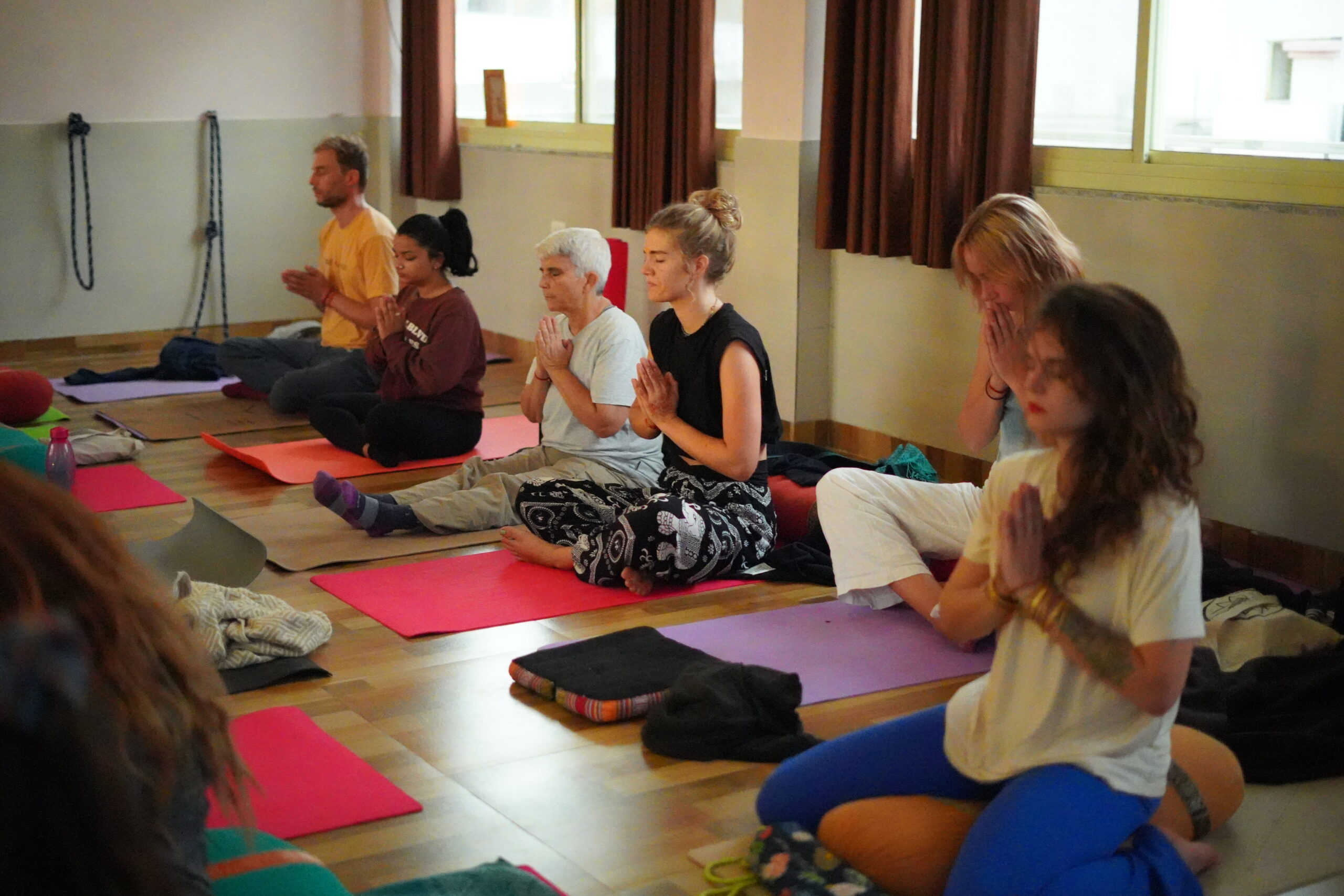
For many international students arriving in India, yoga is not just a practice it’s a cultural immersion. While asanas and pranayama are universal, yogshala life in India follows traditions, values, and unspoken etiquette that may feel unfamiliar to students from the United States, Canada, or Europe.
Understanding this cultural rhythm not only helps you adapt smoothly but also deepens your yoga journey. This guide explains how to respectfully navigate yogshala culture in India, especially in spiritually rooted destinations like Rishikesh.
Why Cultural Awareness Matters in Yoga Education
Yoga is more than physical alignment it’s a way of living shaped by humility, discipline, and respect. Students enrolling in yoga teacher training in India often discover that cultural sensitivity enhances learning, teacher-student relationships, and personal growth.
At traditional schools such as
Rishikesh Yog Darshan – Yoga Teacher Training in India
yoga is taught as a holistic lifestyle, not a commercial class.
Understanding the Yogshala Environment
A yogshala is not a gym. It is a sacred learning space where yoga, meditation, and philosophy coexist. Silence, punctuality, and presence are considered expressions of respect.
Students attending residential yoga courses in Rishikesh are encouraged to:
- Arrive early for classes
- Maintain silence during meditation hours
- Avoid unnecessary phone usage in practice spaces
This discipline supports inner focus and collective harmony.
Respecting the Teacher Student Relationship
In Indian tradition, a yoga teacher is regarded as a guru a guide who shares knowledge through lived experience. Addressing teachers respectfully, listening attentively, and receiving corrections with openness is part of the learning culture.
Those joining a
200 hour yoga teacher training in Rishikesh
often notice how personal guidance deepens when mutual respect is honored.
Dress Code: Modesty as Mindfulness
Modest clothing is a form of cultural respect rather than restriction. Wearing comfortable yet covered attire helps maintain focus and honors the traditional roots of yoga.
Recommended clothing includes:
- Loose yoga pants or leggings
- T-shirts covering shoulders
- Shawls for meditation sessions
This is especially important during meditation, philosophy classes, and temple visits.
Food Etiquette in a Yogic Lifestyle
Most traditional yoga schools follow sattvic meals, emphasizing simplicity and nourishment. Meals are often vegetarian, freshly prepared, and eaten mindfully.
During yoga retreats and residential courses in India, students are encouraged to:
- Eat silently or mindfully
- Avoid food wastage
- Respect dietary guidelines shared by the school
Food here is viewed as fuel for practice, not indulgence.
Communication & Social Interaction
Indian communication styles may feel indirect to Western students. Politeness, patience, and calm tone are highly valued. Loud or confrontational communication is discouraged within yogic spaces.
Students attending a
yoga retreat in Rishikesh
often find that observing before reacting helps them adapt naturally.
Sacred Spaces & Ritual Awareness
Rishikesh is filled with temples, ashrams, and ceremonial rituals. Simple gestures removing shoes, dressing appropriately, maintaining silence show respect for local traditions.
Understanding why Rishikesh is considered sacred for yoga practice helps international students feel more connected to the environment they are learning in.
Daily Discipline & Time Consciousness
Punctuality is considered a yogic discipline. Classes often begin early in the morning, aligning practice with natural rhythms.
Students exploring traditional yoga training courses in India quickly learn that discipline creates mental clarity and consistency in practice.
Emotional & Cultural Adaptation for Foreign Students
Culture shock is natural. Feeling overwhelmed, introspective, or emotionally sensitive during training is common. Yogic environments encourage self-observation rather than suppression.
Supportive teachers at schools like Rishikesh Yog Darshan help students navigate these shifts with compassion and awareness.
Why Cultural Immersion Enhances Your Yoga Journey
Students who embrace yogshala etiquette often report:
- Stronger focus during practice
- Deeper meditation experiences
- Improved teacher connection
- Authentic understanding of yoga philosophy
This is why many students extend their stay or progress from retreats to advanced yoga teacher training programs in India.
FAQs
Q1. Is Indian yoga culture strict for foreigners?
It is disciplined but supportive, designed to enhance inner growth rather than impose rules.
Q2. Can beginners adapt to yogshala life easily?
Yes. With openness and curiosity, most students adjust within a few days.
Q3. Is English commonly spoken in yoga schools?
Yes, especially in internationally recognized yoga schools.
Q4. Why is silence encouraged in yogshala spaces?
Silence helps conserve energy and deepen awareness during practice.
Q5. Does cultural etiquette affect certification?
While not graded, respectful conduct reflects yogic values expected of future teachers.
Respecting cultural etiquette is not about “fitting in” it’s about honoring the roots of yoga. When international students align with yogshala traditions, yoga becomes more than learning it becomes transformation.