Yoga is far more than physical postures; it’s a complete philosophy that unites mind, body, and spirit. The true essence of yoga lies in its wisdom — a guide to living a balanced, purposeful life. For centuries, the teachings of Patanjali’s Yoga Sutras have provided this timeless roadmap, and today, Rishikesh Yog Darshan continues to bring those ancient principles to life through modern, experiential learning.
Let’s explore how the philosophy of yoga — from its ancient roots to its global practice today — can transform the way we live, breathe, and connect.
Understanding Patanjali’s Eight Limbs of Yoga
The Yoga Sutras of Patanjali describe the “Ashtanga” or eightfold path — practical steps toward achieving inner peace and spiritual liberation (moksha). Each limb represents a phase of self-mastery:
- Yama – Ethical disciplines (non-violence, truth, moderation)
- Niyama – Personal observances (cleanliness, contentment, self-study)
- Asana – Steady, comfortable postures for meditation
- Pranayama – Breath control for energy regulation
- Pratyahara – Withdrawal from sensory distractions
- Dharana – Concentration or focused attention
- Dhyana – Deep meditation
- Samadhi – Union with the divine or pure consciousness
During the Yoga Philosophy & Meditation Course in Rishikesh, students not only study these concepts but also experience them through daily practice and mindfulness training.
From Ancient Texts to Modern Practice
Though written thousands of years ago, Patanjali’s philosophy holds remarkable relevance today. In a world filled with stress, multitasking, and digital distractions, the principles of yoga offer practical wisdom for maintaining balance.
For example, Pranayama teaches how to control breath and calm the nervous system — a natural remedy for anxiety and restlessness. Similarly, Dhyana or meditation cultivates awareness, helping us stay centered even amidst chaos.
At Rishikesh Yog Darshan’s residential yoga school, philosophy is not confined to books. Students live these teachings through asana, seva (selfless service), and community living, creating a lifestyle that reflects the core values of yoga.
Bridging Science and Spirituality
Modern science increasingly supports what yogic philosophy has always known — that mind and body are deeply interconnected.
Neuroscience now shows how meditation rewires the brain, improving emotional regulation and focus. Breathwork techniques like Anulom Vilom and Kapalabhati enhance lung capacity and oxygen flow, while postures like Sarvangasana and Vrksasana (Tree Pose) improve balance and circulation.
Through such integration, Rishikesh Yog Darshan’s yoga training courses in India combine traditional knowledge with modern scientific understanding, ensuring students gain both depth and practicality in their learning.
Yoga as a Way of Life
Yoga philosophy teaches that enlightenment is not a distant goal — it’s a state of awareness accessible in everyday life. Whether you’re sitting cross-legged in meditation (Sukhasana), practicing mindful breathing in traffic, or simply eating with gratitude, yoga can be lived moment by moment.
At Rishikesh Yog Darshan, students are encouraged to integrate yoga into daily routines — from morning silence to evening reflection. Over time, this transforms not just habits, but perspective.
“Yoga is not about touching your toes; it’s about what you learn on the way down.”
The Role of a Teacher in Yogic Philosophy
In ancient times, yoga was passed directly from guru to shishya (teacher to student). This personal connection ensured that learning went beyond theory — it became a shared journey.
Today, that tradition continues at Rishikesh Yog Darshan, where certified teachers guide students through both physical and philosophical dimensions of practice.
Their experience, compassion, and discipline create a learning environment where students from across the United States, Canada, Netherlands, Spain, and France feel equally at home.
Why Study Yoga Philosophy in Rishikesh
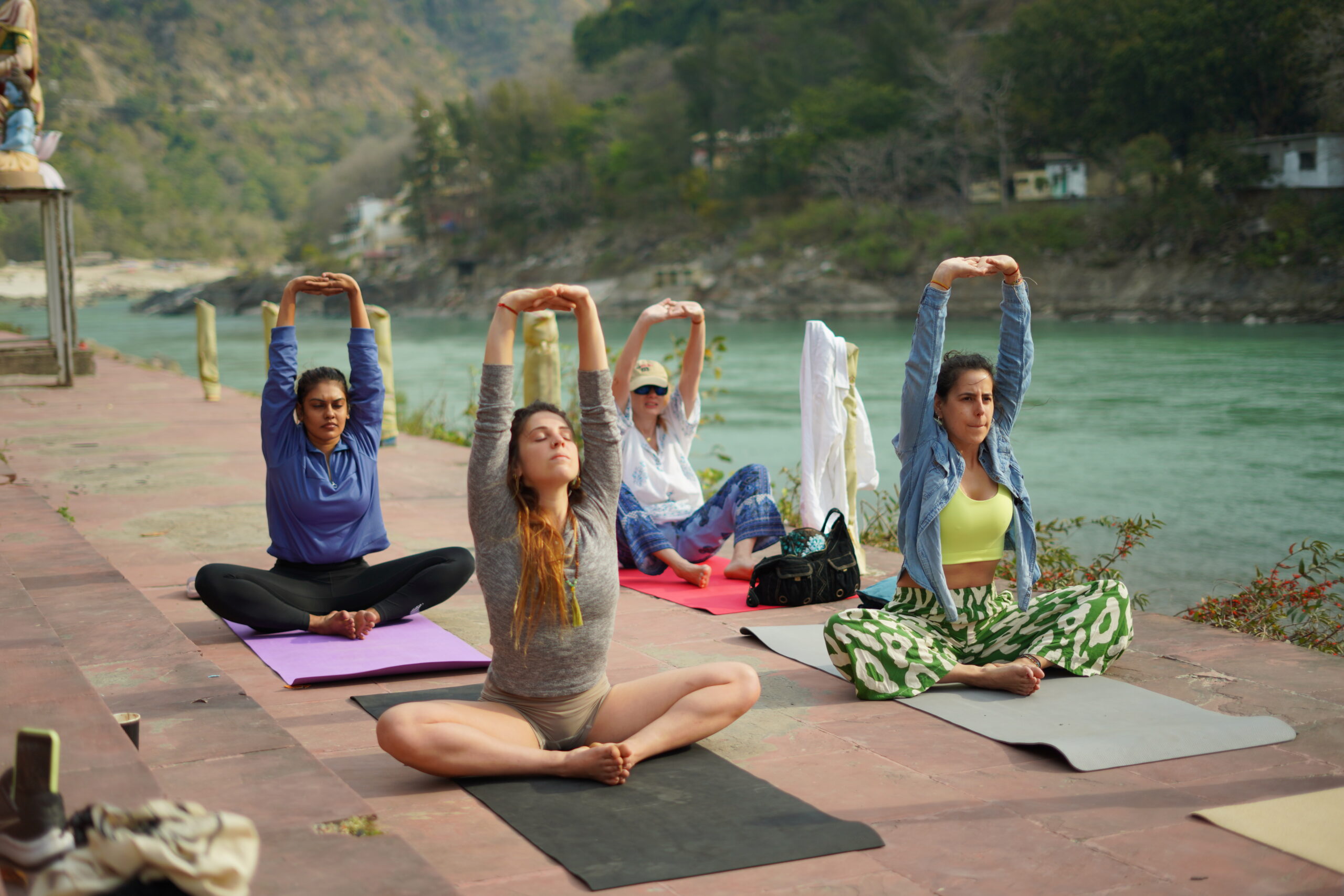
Rishikesh remains the heart of yoga for a reason. Surrounded by mountains and the sacred Ganges River, it’s a living classroom for spiritual growth. The atmosphere naturally encourages reflection and serenity — ideal for understanding the deeper truths of life.
Enrolling in a philosophy course or teacher training here offers more than academic knowledge — it’s an awakening experience that aligns the inner and outer worlds.
Every lesson, chant, and shared meal becomes part of the learning journey.
Key Takeaways
- Yoga is both a philosophy and a practice. It teaches ethical living, breath control, focus, and self-awareness.
- Patanjali’s Eight Limbs provide a timeless guide to balance and clarity.
- Modern applications make yoga relevant for mental health, productivity, and mindfulness.
- Learning in Rishikesh at an authentic school like Rishikesh Yog Darshan deepens understanding through lived experience.
FAQs
Q1. Is studying yoga philosophy suitable for beginners?
Absolutely. You don’t need prior experience — just an open mind and willingness to learn.
Q2. How is philosophy taught at Rishikesh Yog Darshan?
Through guided lectures, group discussions, and experiential learning integrated with meditation and asana.
Q3. What’s the benefit of learning philosophy during a Yoga TTC?
It provides the foundation for understanding the true purpose of yoga beyond the physical — vital for any aspiring teacher.
Q4. Can I join online courses if I can’t travel to India?
Yes, online philosophy and yoga teacher training courses are available for international students.