
Introduction
Studying yoga in India is a once-in-a-lifetime experience—one that goes beyond physical practice into a profound cultural and spiritual exchange. For many international students, Rishikesh is a dream destination—a sacred space where centuries of yogic wisdom meet the serenity of the Himalayas.
Yet, understanding Indian cultural etiquette, especially in yoga ashrams, is essential to truly honor the tradition and connect authentically with teachers and local communities.

At Rishikesh Yog Darshan, we welcome students from around the world and ensure they feel at home while learning the values of humility, mindfulness, and respect that form the essence of Indian yoga culture.
1. The Spiritual Significance of the Ashram
A yoga ashram is more than a learning center—it’s a sacred community dedicated to spiritual discipline and simplicity. The rhythm of an ashram day revolves around meditation, yoga practice, selfless service (seva), and conscious living.
When joining a residential yoga school in Rishikesh, remember that this is a shared spiritual space. Maintaining silence in meditation halls, keeping personal areas tidy, and participating mindfully in group activities are signs of deep respect for the collective energy of the place.
2. Dressing Respectfully: Simplicity Over Style
India’s yoga culture values modesty, comfort, and respect. In ashrams and local communities, dressing appropriately is a way to express gratitude toward the tradition you’re part of.
Loose-fitting clothes in cotton or linen are ideal for practice and meditation. Avoid tight or revealing attire, especially in temples or during ceremonies.
At Rishikesh Yog Darshan, we guide students on how to dress in yoga schools in India, ensuring comfort without compromising cultural sensitivity. Respectful attire not only aligns with local customs but also helps cultivate mindfulness and focus.
3. Greeting with Namaste
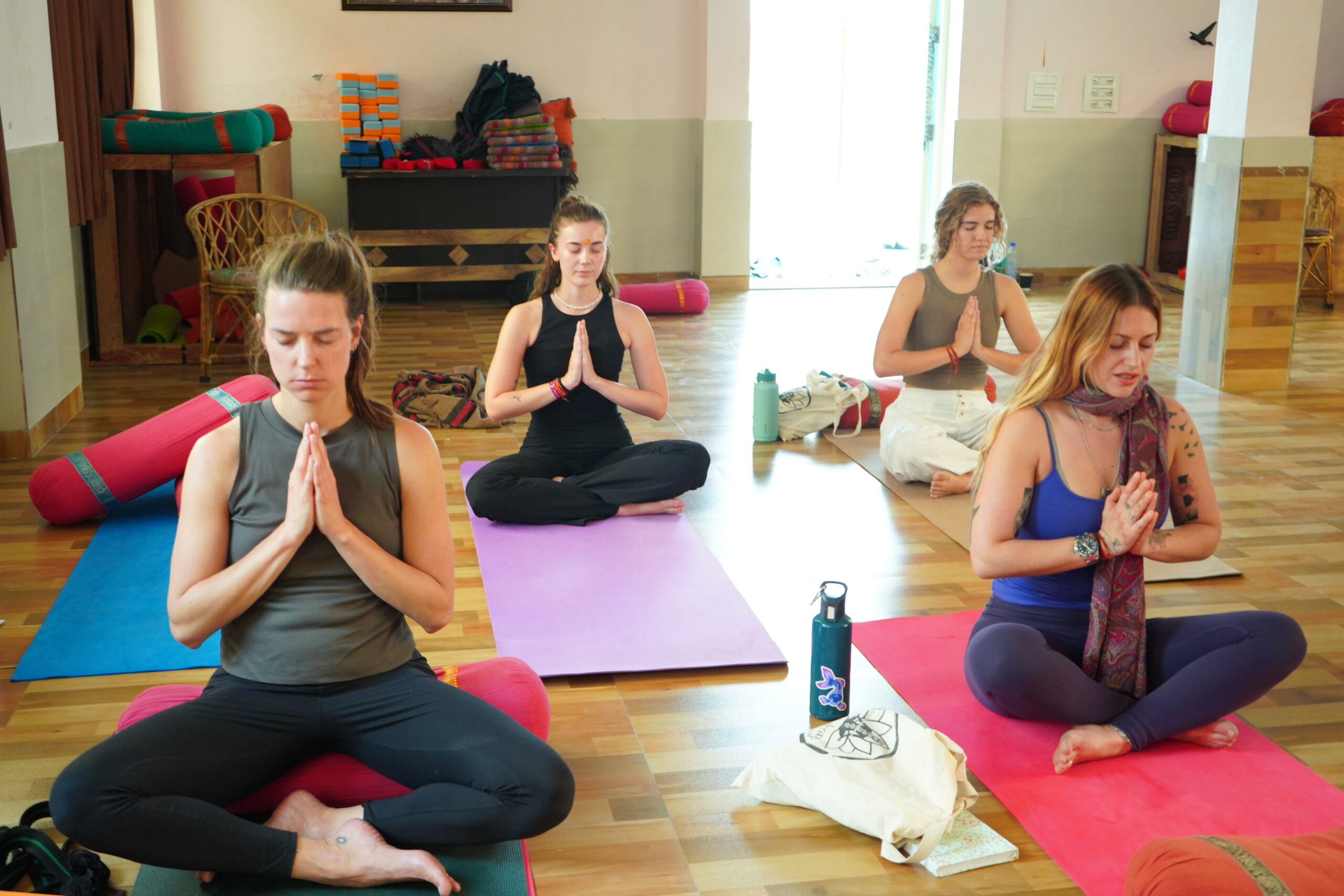
In India, greetings are spiritual gestures. Saying “Namaste” with palms together at the heart symbolizes “the divine in me honors the divine in you.”
It’s used in yoga classes, temples, and everyday interactions, bridging cultural gaps through humility and grace.
When meeting your teachers or peers in Rishikesh, a simple Namaste conveys respect and a willingness to learn—values at the heart of yoga philosophy.
4. Respecting Teachers & Tradition
In Indian yoga culture, the Guru-Shishya Parampara (teacher-student tradition) is sacred. Teachers are guides who pass down ancient wisdom through personal experience, not just information.
When attending classes, always arrive on time, listen attentively, and avoid interrupting. Acknowledge your teachers with gratitude, and never place your feet toward them or sacred texts—a traditional sign of respect in India.
You can learn more about this heritage through our article on authentic yoga teacher-student relationships in Rishikesh.
5. Mindful Behavior in Shared Spaces
Yoga schools and ashrams promote collective living—rooms, meals, and practices are often shared. Practice empathy, patience, and kindness.
Avoid loud conversations, littering, or using strong perfumes.
Meals are often vegetarian and prepared with spiritual intention (sattvic). Eating mindfully and in silence enhances the meditative aspect of nourishment.
We encourage students to experience yogic meals and mindful eating at Rishikesh Yog Darshan, which nurture both body and spirit.
6. Understanding Sacred Spaces & Rituals
Rishikesh is dotted with temples, Ganga ghats, and spiritual ceremonies like Ganga Aarti. When visiting these sacred places, dress modestly, remove shoes before entering, and avoid photography during prayers unless permitted.
Participating respectfully in rituals deepens your connection with India’s spiritual heritage.
At our school, we often organize visits to local temples and meditation sites in Rishikesh, giving students a direct experience of India’s living spirituality.
7. Blending In with Grace
Cultural adaptation is a key part of your spiritual growth. Learn a few basic Hindi phrases, engage kindly with locals, and keep an open heart.
India’s warmth lies in its simplicity—smiles, shared meals, and collective experiences often teach more than any classroom.
As one of the most trusted destinations for international yoga students in India, Rishikesh Yog Darshan ensures that every student not only learns yoga but also lives it—through respect, compassion, and awareness.
Conclusion
For international students, yoga in India is as much about inner transformation as it is about cultural immersion. Understanding and practicing etiquette—through dress, speech, and mindfulness—allows you to experience the real heart of Indian spirituality.
At Rishikesh Yog Darshan, we believe that learning yoga is incomplete without understanding the values that sustain it. When you bow in Namaste, you’re not just greeting someone—you’re honoring a tradition that has united seekers for thousands of years.
Begin your mindful journey with Rishikesh Yog Darshan, where yoga, culture, and consciousness come together as one.