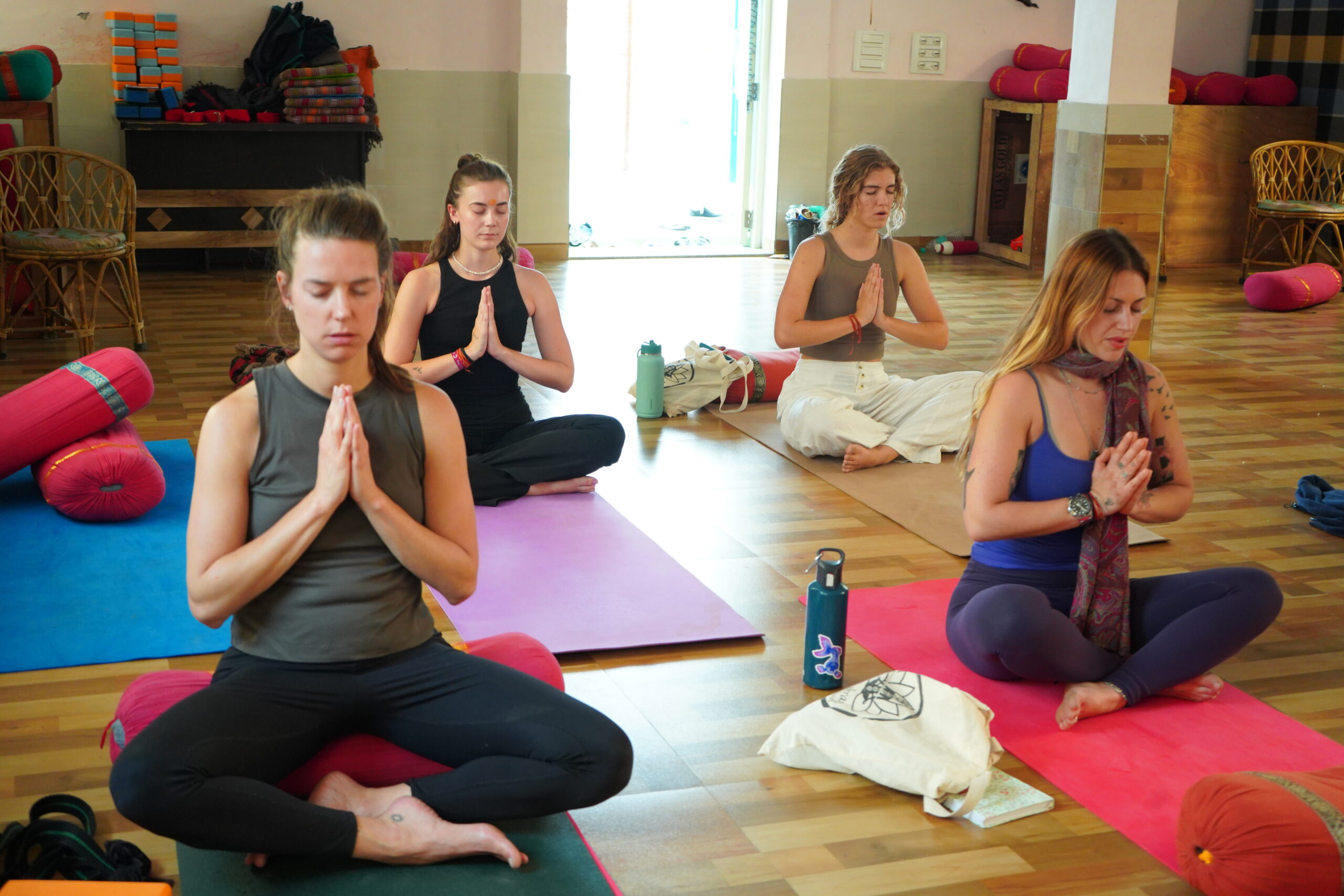

Our bodies are incredible self-healing systems — but in today’s fast-paced, polluted, and processed world, they need a little help. Ancient yogis understood this well, creating systematic purification techniques known as Shatkarmas. At Rishikesh Yog Darshan, these ancient cleansing methods are taught not as rituals but as science-backed ways to detoxify the body, clear the mind, and prepare for deeper yoga practice.

A yogic detox goes far beyond green juices or fasting — it’s about cleansing energy, breath, and consciousness itself.
What Are Shatkarmas? The Six Yogic Cleansing Techniques
The Sanskrit word Shatkarma combines shat (six) and karma (actions), referring to six purification techniques that maintain internal balance. These ancient practices remove toxins (ama), improve energy flow, and strengthen the body’s natural immunity.
At Rishikesh Yog Darshan’s traditional yoga training courses, students learn the six classical techniques step-by-step under expert guidance:
- Neti – Nasal cleansing using a neti pot to purify the sinuses.
- Dhauti – Cleaning the digestive tract to eliminate impurities.
- Nauli – Abdominal churning for core strengthening and digestion.
- Basti – Yogic enema to detoxify the colon.
- Kapalabhati – Rapid breathing technique for cleansing lungs and energizing the brain.
- Trataka – Concentrated gazing to cleanse the eyes and develop focus.
Together, these form the foundation of yogic hygiene — purifying both the physical and subtle body.
The Science of Yogic Detox
While Shatkarmas may sound traditional, they align perfectly with modern wellness science. Techniques like Kapalabhati enhance oxygen exchange, improve metabolism, and activate the parasympathetic nervous system. Neti and Nauli, meanwhile, support respiratory health and gut function — key factors for immunity and emotional balance.
By regularly practicing these methods during Yoga Teacher Training in Rishikesh, students develop better body awareness, improved digestion, and heightened clarity of mind.
These cleansing techniques prepare the practitioner for deeper states of pranayama, dhyana, and asana — forming the gateway to authentic yoga.
Yoga and Diet: The Inner Connection
Detox doesn’t stop at physical cleansing — it continues through conscious eating. Yogic philosophy emphasizes a sattvic diet, which includes fresh fruits, vegetables, grains, legumes, and minimal spices. These foods balance body energies and promote a calm, clear mind.
At Rishikesh Yog Darshan, students enjoy wholesome vegetarian meals cooked with love and mindfulness. Each dish supports energy flow, improves digestion, and complements the physical practice of yoga.
This harmony between food and breath is what makes the experience truly transformative. As one teacher often says:
“You don’t just eat for the body — you eat for the soul.”
Cleansing the Mind Along with the Body
Physical detoxification is incomplete without emotional and mental cleansing. Constant stress, overthinking, and emotional heaviness accumulate just like physical toxins.
Meditation, pranayama, and mantra chanting act as mental Shatkarmas — clearing clutter and promoting stillness.
Students who attend Rishikesh Yog Darshan’s meditation and wellness retreats often describe the experience as a complete reset — a space to let go of tension, breathe freely, and reconnect with their true self.
Benefits of Yogic Cleansing
- Improved Digestion & Metabolism: Regular practice of Nauli and Kapalabhati keeps digestion strong.
- Enhanced Immunity: Detox techniques eliminate stagnation, boosting resistance to illness.
- Mental Clarity: Cleansing the nasal passages and practicing meditation enhances focus and calm.
- Balanced Energy (Prana): Purified channels (nadis) allow energy to move freely.
- Preparation for Advanced Practice: Detoxing the body makes it easier to sit in meditation and maintain higher awareness.
The Role of Teachers and Supervision
Yogic cleansing practices must always be learned under the supervision of qualified teachers. At Rishikesh Yog Darshan, certified instructors guide students through safe techniques and modern adaptations suitable for all body types and health conditions.
The school’s environment — calm, disciplined, and nurturing — allows practitioners to explore these ancient practices safely while understanding their physiological and energetic effects.
Integrating Yogic Detox Into Daily Life
You don’t need to perform all six Shatkarmas daily. A few small habits can help maintain inner cleanliness:
- Practice Kapalabhati or Anulom Vilom every morning.
- Rinse nasal passages with Jala Neti once or twice a week.
- Maintain a sattvic diet and avoid overeating or processed food.
- Journal, meditate, or take quiet walks to release emotional toxins.
Even these simple routines, when practiced consistently, can bring remarkable physical lightness and emotional clarity.
Rishikesh: The Perfect Place for Yogic Detox
Rishikesh’s natural setting — fresh Himalayan air, clean river water, and the serenity of ancient temples — makes it ideal for purification and inner renewal.
Students from the United States, Canada, Netherlands, Spain, and France find this environment deeply healing, as it blends nature’s purity with centuries-old yogic wisdom.
The detox yoga retreats in Rishikesh offered by Rishikesh Yog Darshan combine Shatkarma practice, yogic nutrition, and mindfulness to provide a holistic reset for body and mind.
FAQs
Q1. Can beginners safely practice Shatkarmas?
Yes — when learned under guidance. Rishikesh Yog Darshan ensures each student learns at their own pace with safe adaptations.
Q2. How often should one perform these cleansing techniques?
Most techniques like Neti or Kapalabhati can be practiced daily, while others like Dhauti or Basti are done occasionally.
Q3. Is a yogic detox similar to fasting?
No. It’s a holistic purification system combining breath, posture, diet, and awareness — not deprivation.Q4. Who can benefit from yogic detox?
Anyone seeking better digestion, mental calmness, and spiritual clarity can benefit — regardless of age or experience.