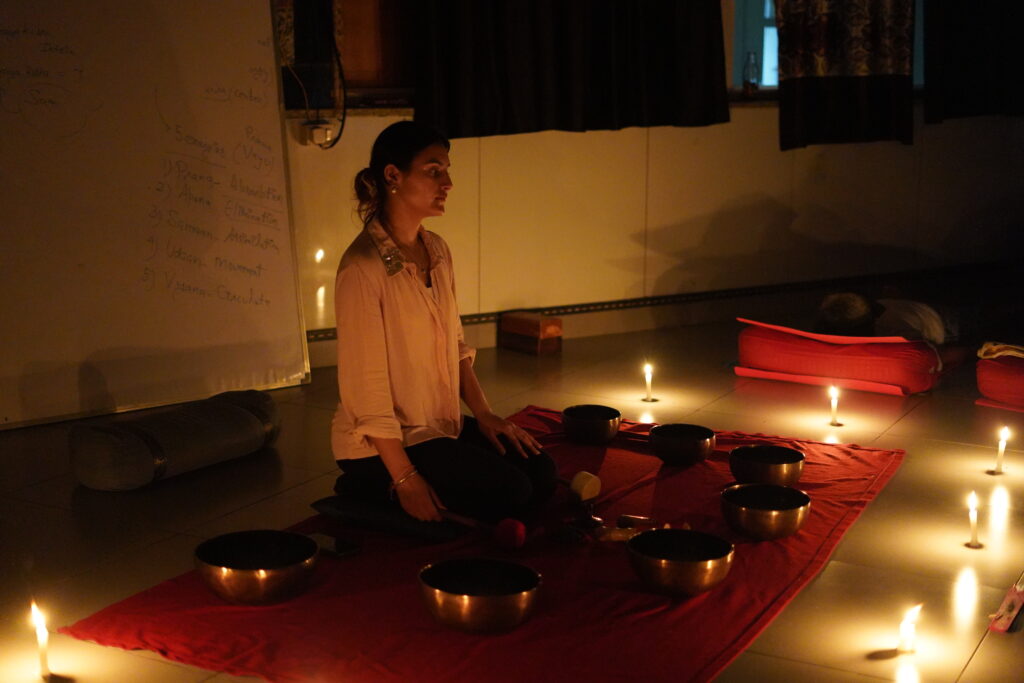
In yoga, sound is more than vibration — it is energy in motion. Mantras, the sacred syllables or phrases chanted during yoga and meditation, hold the power to transform our inner state. At Rishikesh Yog Darshan, the chanting of mantras is an integral part of every session, bridging ancient tradition with modern mindfulness.
Whether whispered softly during meditation or echoed in a classroom filled with practitioners, each mantra carries the frequency of peace, clarity, and awakening.
What Is a Mantra?
A mantra comes from the Sanskrit roots manas (mind) and tra (tool or instrument), meaning “a tool for the mind.” It’s designed to focus awareness and quiet mental chatter. When repeated rhythmically, a mantra helps align the mind with higher consciousness — guiding practitioners beyond the noise of thought into stillness.
Mantras can be as simple as Om, symbolizing the sound of universal creation, or longer verses such as the Gayatri Mantra, used for spiritual illumination.
During classes at Rishikesh Yog Darshan’s yoga teacher training in India, students learn how to pronounce, understand, and integrate mantras into their daily practice, making it both meaningful and transformative.
Why Mantras Matter in Yoga Practice
Mantras are not just religious or cultural elements; they are scientific tools for focus and energy balance. When you chant, your vocal cords create subtle vibrations that influence the nervous system and activate the parasympathetic state — the body’s natural mode of relaxation.
Here’s how they benefit your practice:
- Focus and Clarity: Mantras act as anchors, preventing the mind from wandering.
- Emotional Balance: Regular chanting stabilizes emotions, helping reduce anxiety and restlessness.
- Energy Activation: Each sound frequency stimulates specific chakras (energy centers) in the body.
- Spiritual Connection: They open the heart and deepen the meditative experience, allowing connection to universal consciousness.
Even a few minutes of chanting Om Shanti or So Hum can elevate your mood and bring harmony to your breath and mind.
Mantras Commonly Used in Yoga
- Om (Aum): The primal sound of creation and universal vibration.
- Om Shanti Shanti Shanti: Invokes peace on physical, mental, and spiritual levels.
- Gayatri Mantra: A prayer for wisdom and inner illumination.
- Mahamrityunjaya Mantra: A chant for healing and overcoming fear.
- So Hum: Meaning “I am That,” representing unity with the universe.
During immersive courses such as the 200-Hour Yoga TTC in Rishikesh, students chant these mantras daily, learning their vibration, rhythm, and spiritual context under the guidance of experienced Indian teachers.
How to Use Mantras in Your Yoga Routine
Mantras can be practiced in several ways — aloud, silently, or internally synchronized with breath.
Here are a few effective ways to integrate them:
- Before Practice: Begin your yoga or meditation by chanting Om three times to center your energy.
- During Asana: Use a short mantra like So Hum while flowing between postures to maintain focus.
- After Practice: Close with Om Shanti to seal the energy of peace and gratitude.
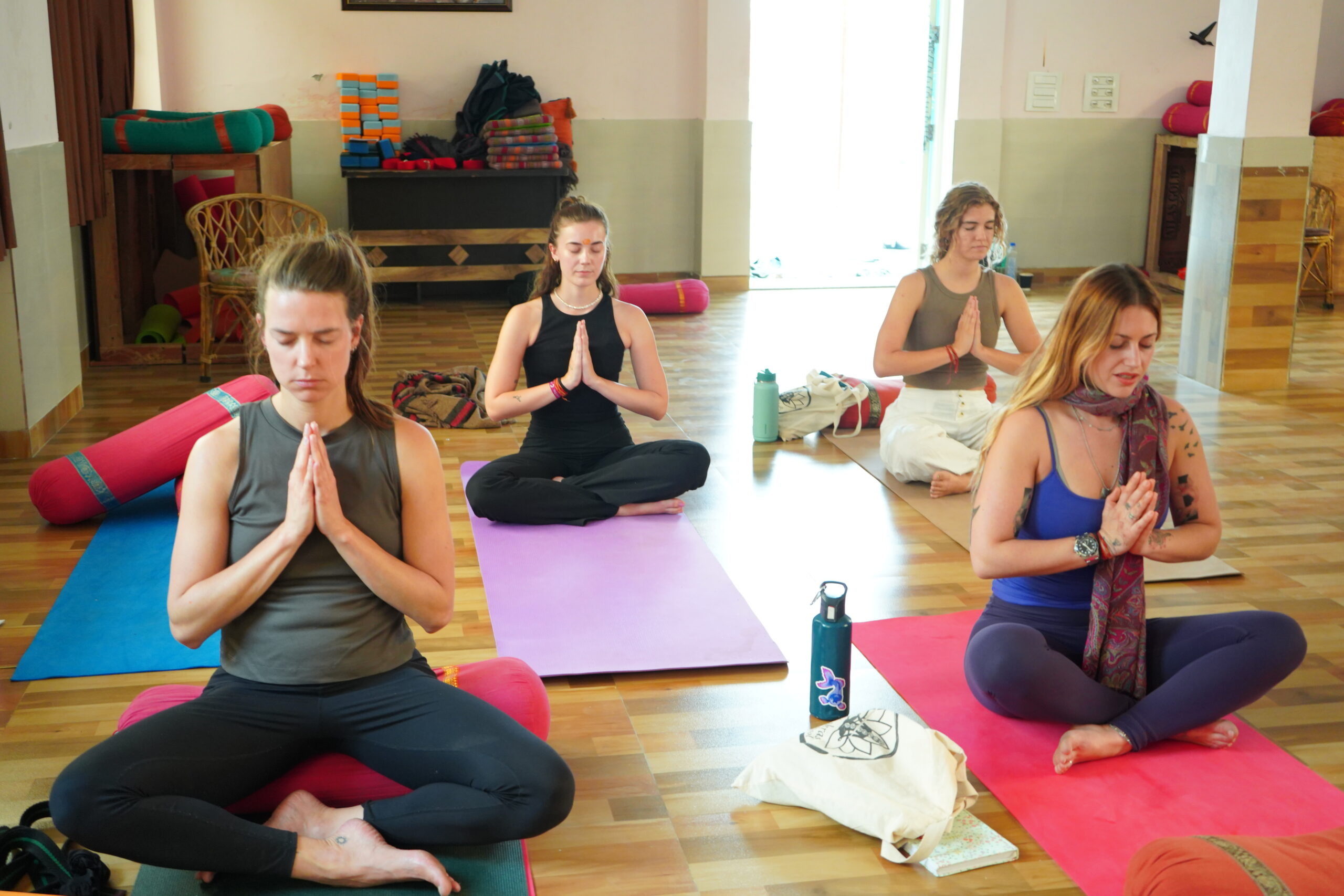
Students at Rishikesh Yog Darshan’s meditation and chanting sessions often report a profound sense of grounding and serenity after group chanting — a shared energy that resonates long after the session ends.
The Science of Sound and Vibration
Modern studies have confirmed what ancient yogis intuitively knew — that sound affects our physiology. Chanting stimulates the vagus nerve, lowering blood pressure and promoting calmness.
When practiced regularly, mantra meditation can enhance brain coherence, emotional resilience, and overall well-being.
This beautiful blend of ancient wisdom and modern understanding is what makes Rishikesh Yog Darshan’s approach unique — a balance of spiritual authenticity and scientific insight.
Mantra and Meditation: A Path to Inner Stillness
Mantras deepen the meditative state by providing an object of focus. In silence, the repetition of sacred sound quiets the mind and redirects energy inward. Over time, the practitioner experiences dhyana — effortless meditation.
At Rishikesh Yog Darshan, students learn to combine mantra meditation with pranayama and mindfulness practices, amplifying both spiritual and emotional growth. It’s not about religion — it’s about resonance, connection, and awakening.
Living the Mantra Beyond the Mat
Chanting is not limited to the yoga hall — it can become part of your daily life. Recite your chosen mantra during a morning walk, while cooking, or before sleeping.
The goal is not perfection of sound but purity of intent. When practiced with devotion, mantra repetition (or japa) turns every moment into meditation.
Over time, your vibration changes — you speak, move, and think with greater awareness and compassion.
FAQs
Q1. Do I need to know Sanskrit to chant mantras correctly?
No. Teachers at Rishikesh Yog Darshan provide phonetic guidance and meanings so you can chant with clarity and confidence.
Q2. Can beginners include mantras in their yoga practice?
Absolutely. Even a simple chant like Om can be powerful when practiced with mindfulness.
Q3. How often should I practice mantra meditation?
Start with 5–10 minutes daily and gradually extend based on comfort and consistency.
Q4. Are mantras religious?
Not necessarily. They are universal vibrations that connect you with higher awareness, transcending religion and culture.