The True Meaning of Yoga: A Timeless Path to Self-Realization
Yoga today is often associated with physical postures, flexibility, and fitness. Yet, the true meaning of yoga extends far beyond exercise. Rooted in ancient Indian philosophy, yoga is a complete system for self-realization, inner balance, and spiritual awakening. It is a timeless path that unites body, mind, and soul, guiding practitioners toward a deeper understanding of who they truly are.
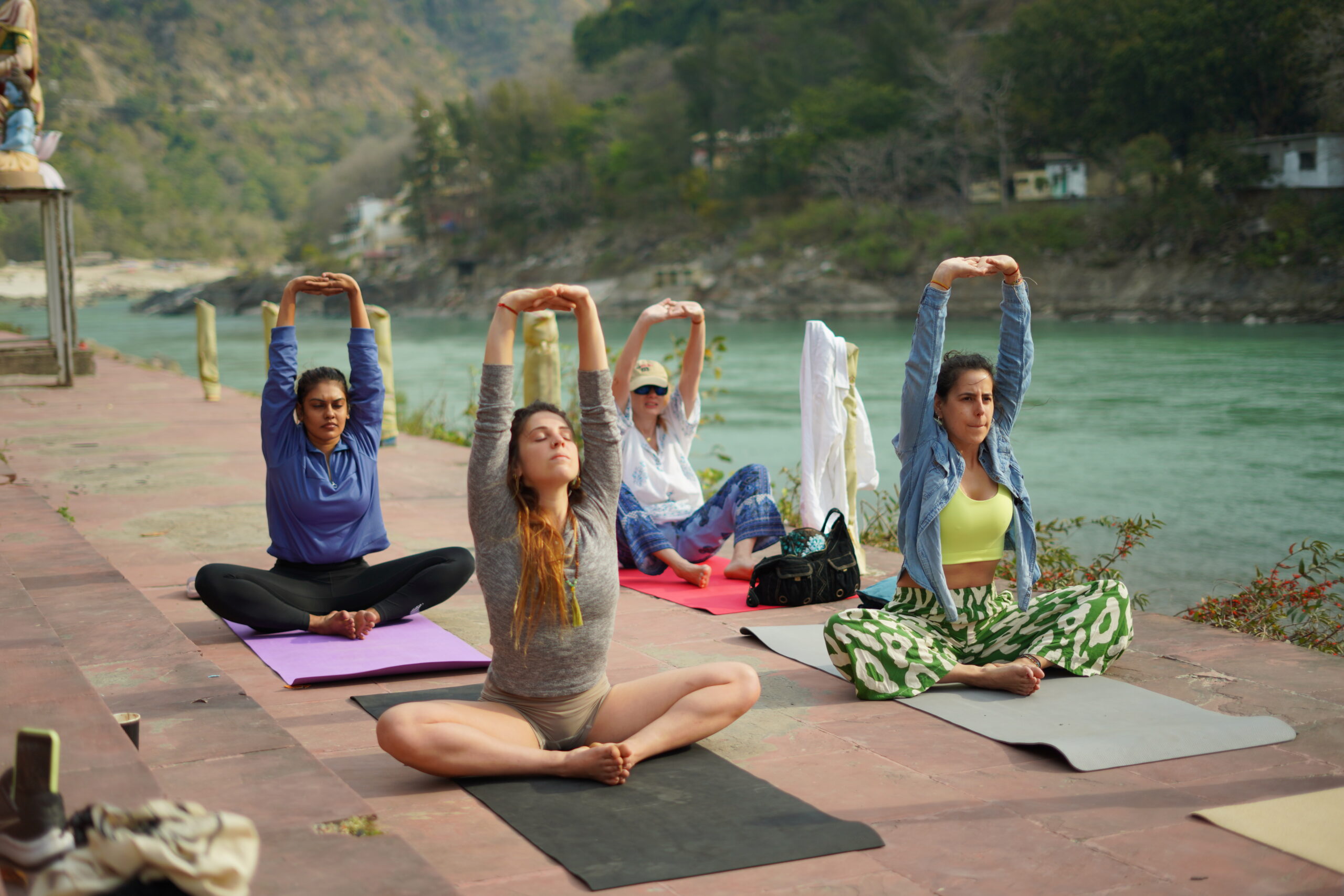
At its essence, yoga is not about touching your toes – it is about what you learn on the way down. This deeper perspective is what has sustained yoga for thousands of years and continues to draw seekers from around the world to sacred destinations like Rishikesh, the birthplace of yoga.
Understanding the Word “Yoga”
The word yoga comes from the Sanskrit root “Yuj,” which means to join, unite, or yoke. This union refers to the connection between:
- Individual consciousness and universal consciousness
- Body, breath, and mind
- The outer world and inner awareness
Yoga, therefore, is a process of aligning all dimensions of human existence into harmony.
Ancient yogic texts describe yoga as a state of complete integration where the fluctuations of the mind dissolve, revealing one’s true nature. This understanding was codified in Patanjali’s Yoga Sutras, one of the most authoritative yogic scriptures.
Yoga According to Patanjali
Patanjali defines yoga as:
“Yogas chitta vritti nirodhah”
Yoga is the cessation of the modifications of the mind.
This profound statement emphasizes that yoga is a science of mental mastery. When the mind becomes still, clarity arises, and the practitioner experiences inner peace, wisdom, and freedom from suffering.
This philosophy forms the foundation of traditional yoga teacher training, where students learn that asanas are only one limb of a much larger system.
The Eight Limbs of Yoga
Patanjali outlined the path of yoga through eight interconnected limbs:
- Yama – Ethical restraints
- Niyama – Personal observances
- Asana – Posture practice
- Pranayama – Breath regulation
- Pratyahara – Withdrawal of senses
- Dharana – Concentration
- Dhyana – Meditation
- Samadhi – Complete absorption
These limbs work together to create a holistic path toward self-realization. True yoga integrates all eight, not just physical movement.
Students enrolling in a comprehensive yoga teacher training program gain structured exposure to this classical framework, allowing them to embody yoga as a lifestyle rather than a workout routine.
Yoga as a Journey of Self-Discovery
Unlike external achievements, yoga leads inward. Each practice session becomes a mirror reflecting habits, emotions, fears, and strengths. Over time, practitioners develop:
- Self-awareness
- Emotional resilience
- Mental clarity
- Compassion
- Inner discipline
This internal transformation is why yoga is often described as a journey rather than a destination.
Those seeking a deeper experience often choose immersive programs such as yoga teacher training in Rishikesh, where the sacred atmosphere supports inner exploration.
The Role of Asana in Yoga
Physical postures are an important entry point, but they serve a larger purpose:
- Preparing the body for meditation
- Improving circulation and vitality
- Releasing stored tension
- Developing steadiness and ease
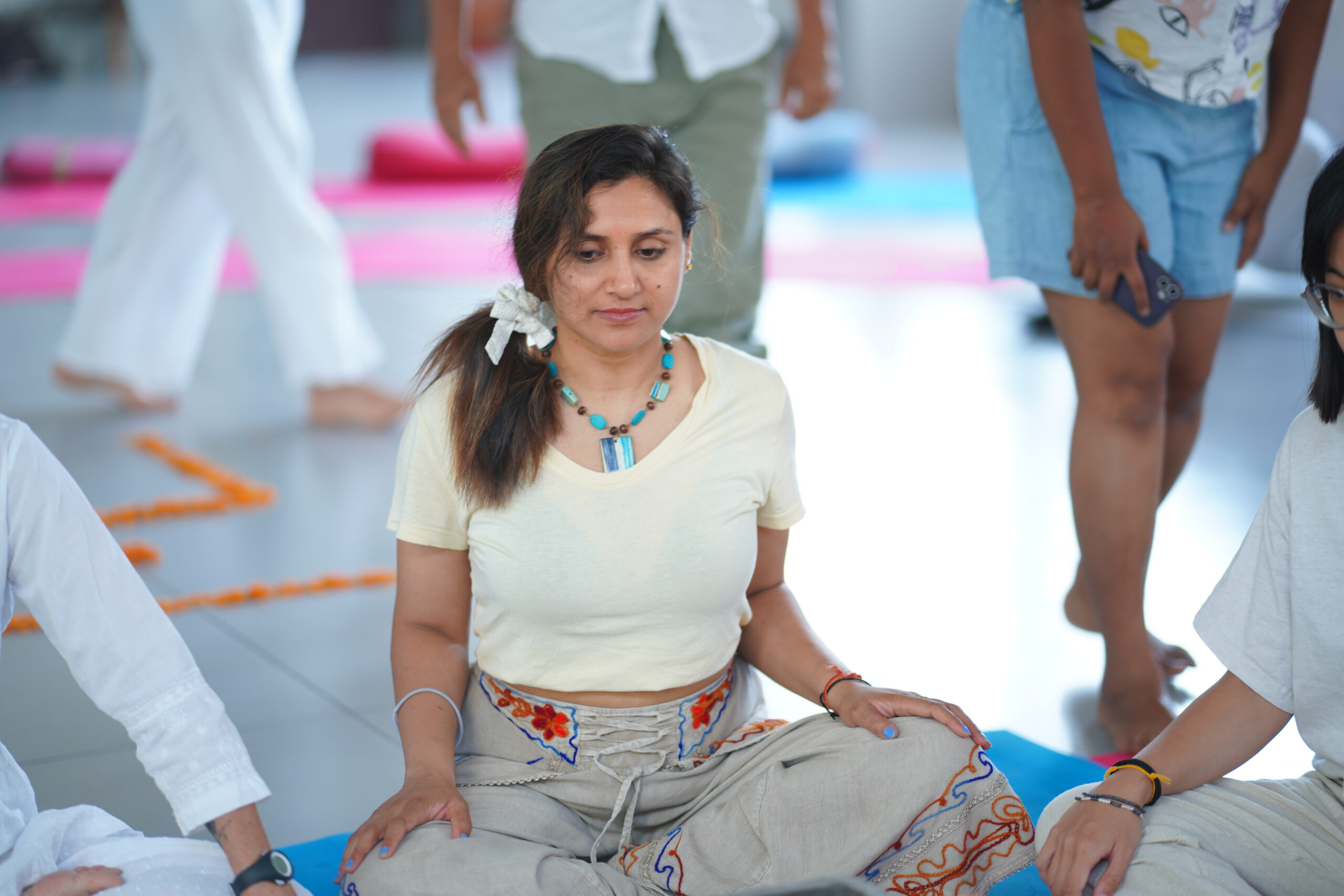
Traditional teachings emphasize that asana should be practiced with awareness, not competition. When posture practice is combined with breath and mindfulness, it becomes a moving meditation.
Many students begin their journey with foundational programs like the 200 hour yoga teacher training to build proper alignment, anatomical understanding, and disciplined practice.
Pranayama: The Bridge Between Body and Mind
Breath is considered the carrier of life force (prana). Through pranayama, practitioners learn to regulate this energy, influencing both physical and mental states.
Benefits of pranayama include:
- Reduced anxiety and stress
- Improved lung capacity
- Balanced nervous system
- Enhanced concentration
In traditional yoga courses, pranayama is taught as a central practice rather than an optional add-on.
Meditation: The Heart of Yoga
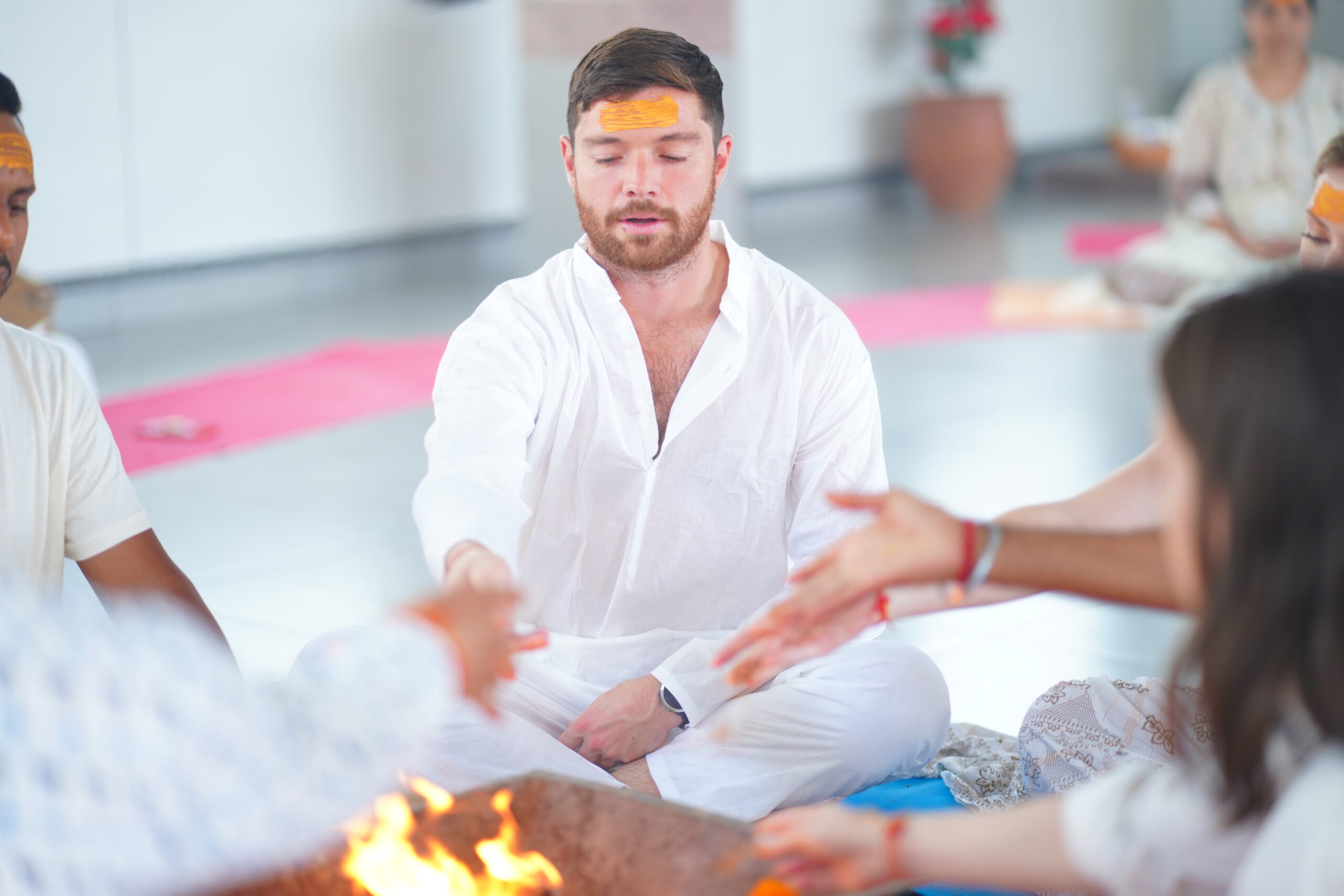
Meditation transforms yoga from technique into realization. It cultivates inner silence, allowing awareness to rest in its natural state.
With consistent meditation:
- Thoughts lose their compulsive grip
- Emotional patterns soften
- Intuition strengthens
- A sense of unity arises
Programs such as yoga teacher training yoga alliance incorporate daily meditation practices to help students develop experiential understanding, not just theoretical knowledge.
Yoga Beyond the Mat
Yoga reveals itself in everyday life:
- How you speak
- How you eat
- How you treat others
- How you respond to challenges
This integration is what makes yoga a living philosophy.
Many practitioners eventually feel inspired to share these teachings with others by pursuing yoga instructor training, allowing them to guide students toward healthier, more conscious lifestyles.
Why People Seek Yoga Training in India
India remains the spiritual heartland of yoga. Practicing in its place of origin offers:
- Authentic lineage teachings
- Exposure to classical scriptures
- Traditional lifestyle immersion
- Sacred natural environments
Rishikesh, nestled along the Ganges and Himalayan foothills, attracts seekers from every continent who wish to experience yoga beyond surface-level practice.
Schools offering yoga training Rishikesh combine ancient wisdom with modern teaching methodology, making programs accessible to international students.
Yoga and Self-Realization
Self-realization does not mean becoming someone new – it means remembering who you already are. Yoga removes layers of conditioning, revealing the underlying awareness that is always present.
Signs of progress on this path include:
- Less identification with thoughts
- Greater inner peace
- Natural compassion
- Contentment independent of circumstances
This transformation unfolds gradually through consistent practice.
The Teacher as a Guide, Not a Guru
Authentic yoga teachers see themselves as facilitators rather than authorities. Their role is to:
- Hold safe space
- Offer accurate guidance
- Encourage self-inquiry
- Support individual growth
Students who wish to step into this role often pursue a yoga teacher training course that emphasizes both technical skill and ethical responsibility.
Yoga in the Modern World
While lifestyles have changed dramatically, human challenges remain similar:
- Stress
- Anxiety
- Disconnection
- Physical imbalance
Yoga addresses these universal issues holistically. Its adaptability has allowed it to flourish globally while preserving its philosophical roots.
Modern offerings such as online yoga training expand accessibility, yet traditional residential training remains unmatched for depth and immersion.
Choosing the Right Path
When selecting a yoga path or school, look for:
- Experienced teachers
- Transparent curriculum
- Balanced emphasis on philosophy and practice
- Ethical foundation
- International recognition
Programs providing yoga alliance certification ensure standardized training quality and global acceptance.
Yoga as a Lifelong Practice
Yoga is not mastered – it is lived. Each stage of life brings new lessons, and yoga evolves alongside you. What begins as physical practice matures into a spiritual companion.Whether your goal is personal growth, healing, or teaching, yoga offers a path that adapts to your unique journey.
If you feel called to deepen your understanding, exploring authentic training programs such as yoga teacher training in Rishikesh, immersive yoga retreats, or foundational 200 hour yoga teacher training can become transformative milestones.