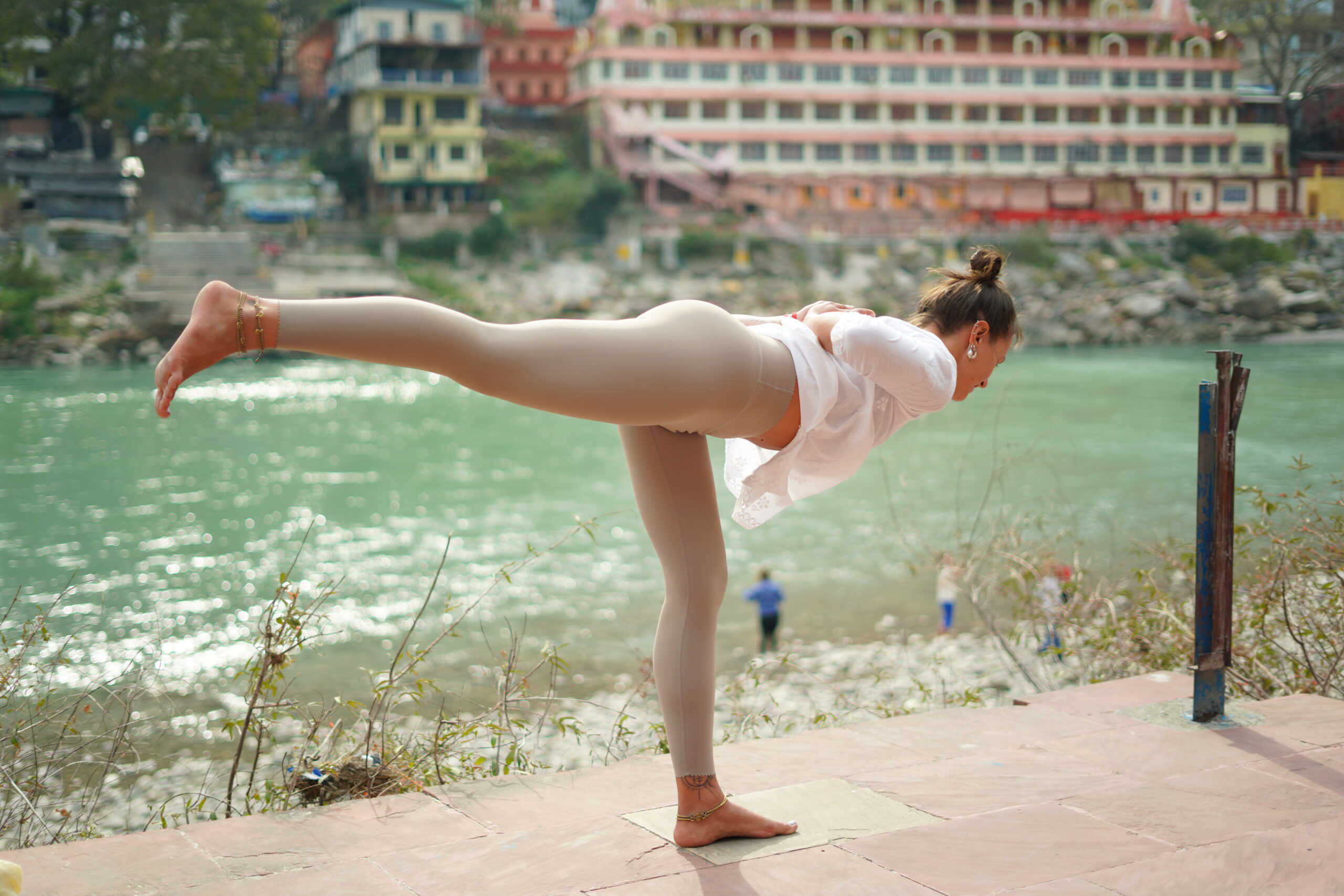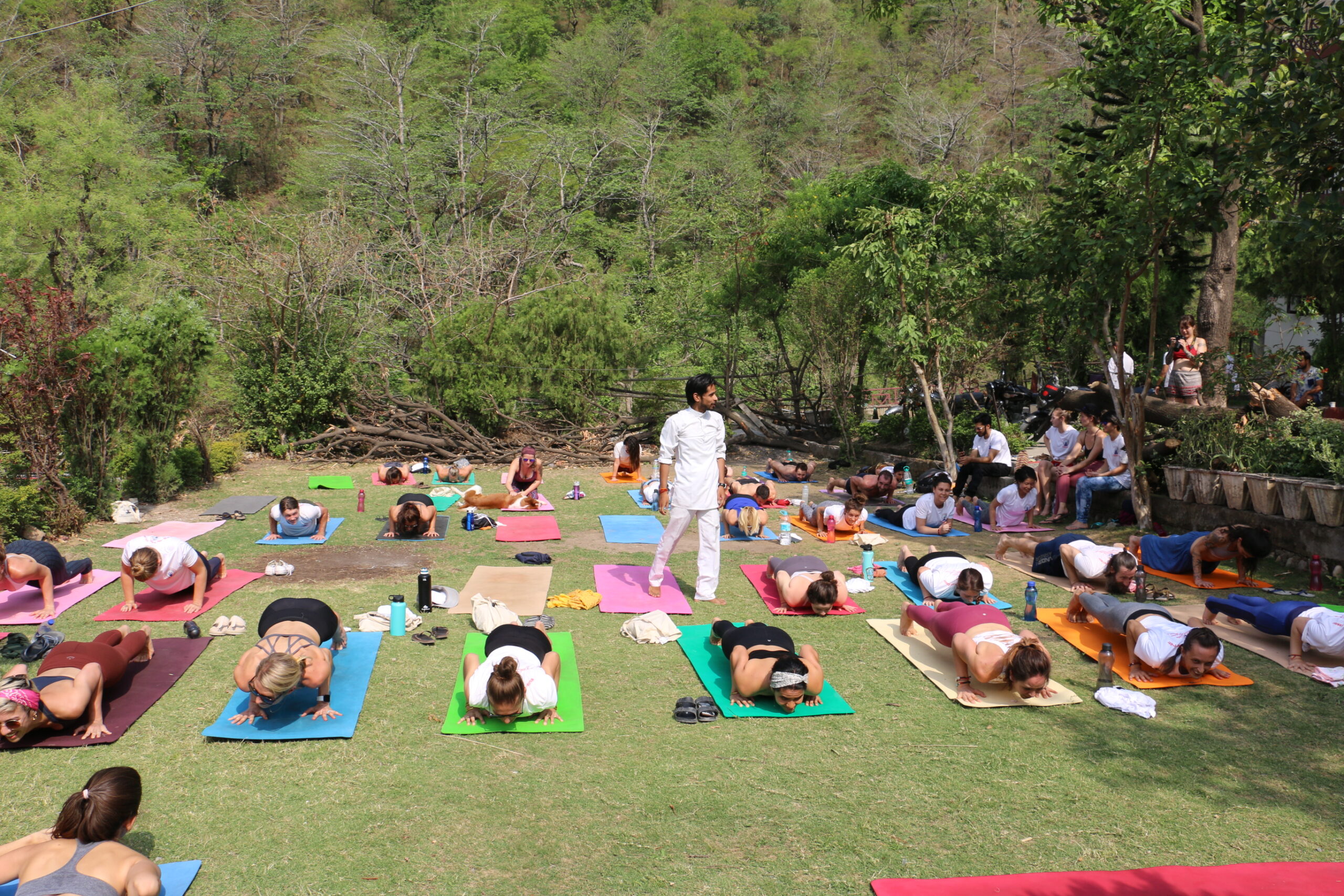
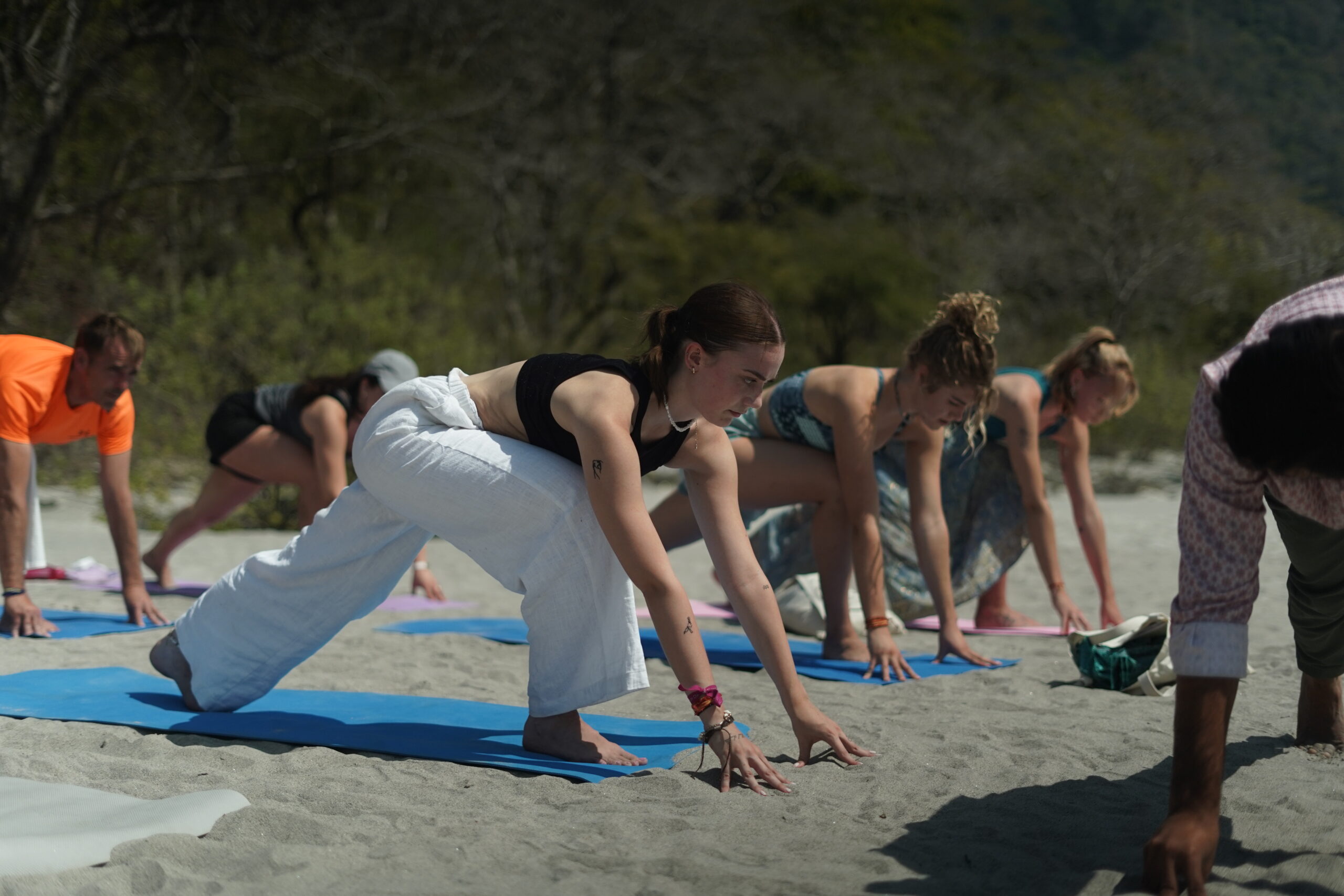
Winter brings a natural slowdown in energy. Cold weather often causes joint stiffness, low digestion, weak immunity, and mental dullness especially for people living in colder regions like the United States, Canada, France, Spain, and the Netherlands. Yoga offers a powerful, natural way to stay warm, mobile, and balanced during winter.
At a traditional Yoga School in Rishikesh India seasonal yoga practices are aligned with Ayurvedic wisdom to support the body during colder months.
Why Winter Requires a Different Yoga Practice
According to yogic and Ayurvedic principles, winter is dominated by Vata and Kapha energies. This can lead to:
- Cold joints and stiffness
- Slower metabolism
- Reduced circulation
- Mental lethargy
- Winter yoga focuses on heat-building, grounding, and circulation-enhancing asanas, a core teaching approach in the 100 Hours Yoga TTC Rishikesh India
Benefits of Practicing Yoga in Winter
- Improves blood circulation
- Keeps joints lubricated
- Boosts digestion and immunity
- Prevents seasonal depression
- Maintains flexibility despite cold
Regular winter practice builds resilience and inner warmth.
Best Yoga Asanas for Winter Season
1. Surya Namaskar (Sun Salutation)
The most effective winter practice for generating internal heat.
Benefits:
- Warms the entire body
- Stimulates digestion
- Strengthens muscles and immunity
- Daily Sun Salutation practice is emphasized in structured routines of the 200 Hours Yoga TTC Rishikesh India
2. Utkatasana (Chair Pose)
A powerful heat-building posture.
Benefits:
- Strengthens legs and core
- Improves circulation
- Builds stamina and warmth
- Excellent for people experiencing winter sluggishness.
3. Vrikshasana (Tree Pose)
A grounding pose essential during unstable winter energy.
Benefits:
- Improves balance
- Strengthens legs
- Enhances mental focus
Balance-based asanas are deeply refined in advanced learning like the
300 Hours Yoga TTC Rishikesh India
https://rishikeshyogdarshan.com/300-hour-yoga-teacher-training/
4. Bhujangasana (Cobra Pose)
A warming backbend that opens the chest and lungs.
Benefits:
- Improves respiratory health
- Strengthens spine
- Prevents winter cough and stiffness
Especially useful during cold and flu season.
5. Malasana (Yogic Squat)
A grounding posture for digestion and warmth.
Benefits:
- Improves gut health
- Warms lower body
- Enhances hip mobility
- This pose is commonly practiced in long-term programs such as the 500 Hour Yoga TTC Rishikesh
Supporting Practices for Winter Yoga
- Slow, deep breathing
- Longer warm-up time
- Holding poses slightly longer
- Practicing in a warm, quiet space
Winter yoga should feel strong yet nourishing, not exhausting.
Yoga + Ayurveda for Winter Balance
Combining yoga with seasonal Ayurvedic practices enhances results:
- Warm, cooked meals
- Herbal teas
- Oil massage (Abhyanga)
- Early bedtime
- These principles are explored deeply during Ayurveda Retreats in Rishikesh
Best Time to Practice Yoga in Winter
- Late morning (after body warms up)
- Midday sunlight hours
- Avoid very early cold mornings if stiff
- Listening to the body is key.
FAQs
Q1. Is yoga safe during extreme cold?
Yes, with proper warm-up and mindful pacing.
Q2. Should yoga practice change in winter?
Yes, winter requires warming and grounding practices.
Q3. Can yoga prevent winter weight gain?
Yes, dynamic sequences support metabolism.
Q4. Is hot yoga recommended in winter?
Traditional yoga is preferred over excessive heat.
Q5. How often should yoga be practiced in winter?
4–6 days a week is ideal.