Immunity isn’t built in a day and it isn’t sustained by supplements alone. In yogic science, immunity is the result of balanced digestion, regulated breath, stable routines, and mental calm. As seasonal changes challenge the body, yoga offers time-tested tools to adapt without strain.
This blog explores how yoga supports immunity across seasons, and why traditional practice in India emphasizes prevention over reaction.
Understanding Immunity Through a Yogic Lens
Modern wellness often treats immunity as a defense system activated only during illness. Yoga views immunity differently as a state of internal harmony.
When breath is shallow, digestion weak, and the nervous system overstimulated, immunity naturally drops. This is why students learning at Rishikesh Yog Darshan – Yoga Teacher Training in India
are taught to support immunity through daily lifestyle practices, not crisis management.
Seasonal Transitions & the Body
Each season impacts the body differently:
- Winter: Slower digestion, stiffness, lower circulation
- Summer: Heat, dehydration, irritability
- Monsoon: Weakened digestion, higher infection risk
Traditional yoga adapts practice to these shifts rather than following a fixed routine year-round.
Those studying yoga training in India learn to observe nature first then adjust practice accordingly.
Key Yoga Practices That Support Immunity
1. Asana for Circulation & Lymphatic Flow
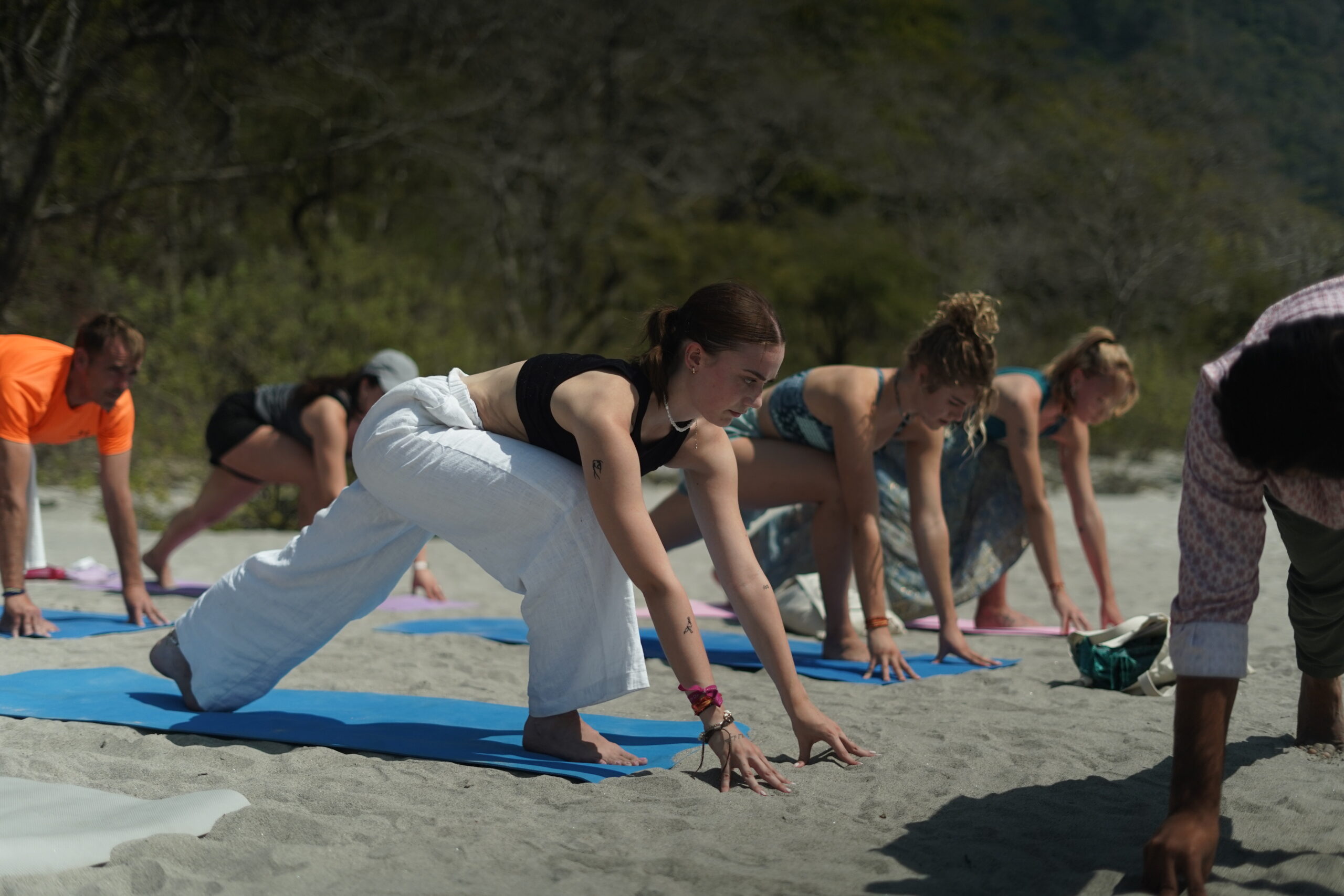
Gentle inversions and chest-opening postures support circulation and respiratory health. Poses such as sarvangasana (shoulder stand) are traditionally used to stimulate internal systems when practiced correctly.
In structured programs like a 200 hour yoga teacher training in Rishikesh students learn when and how such postures are appropriate especially during seasonal transitions.
2. Pranayama for Respiratory Strength
Breathwork plays a central role in immunity. Practices that emphasize slow, rhythmic breathing help regulate the nervous system and improve lung capacity.
Rather than aggressive techniques, traditional teaching focuses on consistency and awareness, making pranayama suitable even during low-energy phases.
3. Digestive Health Through Movement
Immunity is closely linked to digestion. Twists, gentle forward folds, and seated postures help stimulate digestive fire without overstimulation.
This is why yoga retreats in Rishikesh often include simple, repetitive sequences that prioritize digestion and elimination.
traditional yoga retreats in Rishikesh integrate these practices naturally into daily schedules.
The Role of Meditation in Immune Balance
Stress is one of the biggest immunity suppressors. Meditation helps by:
- Reducing cortisol levels
- Improving sleep quality
- Enhancing emotional resilience
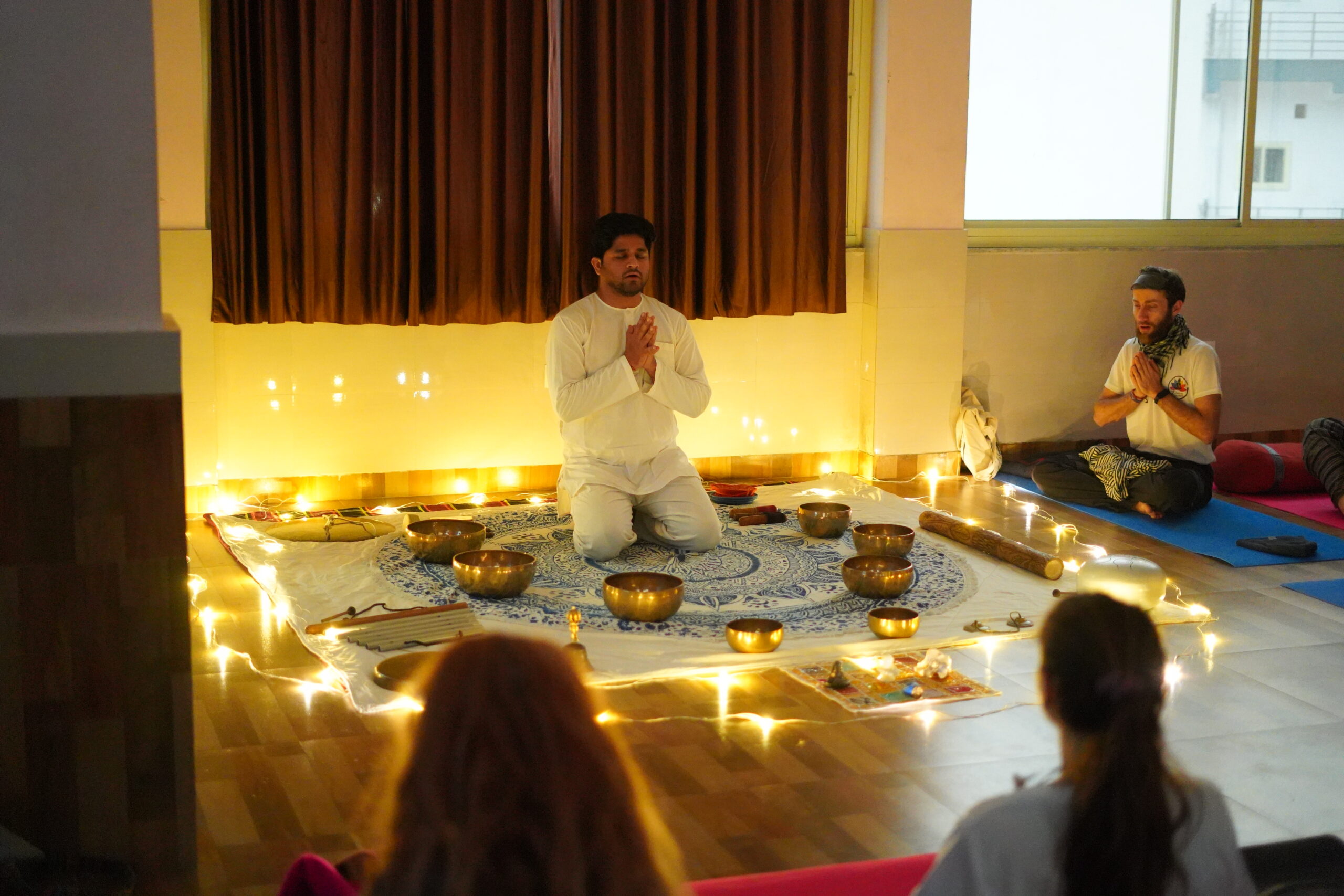
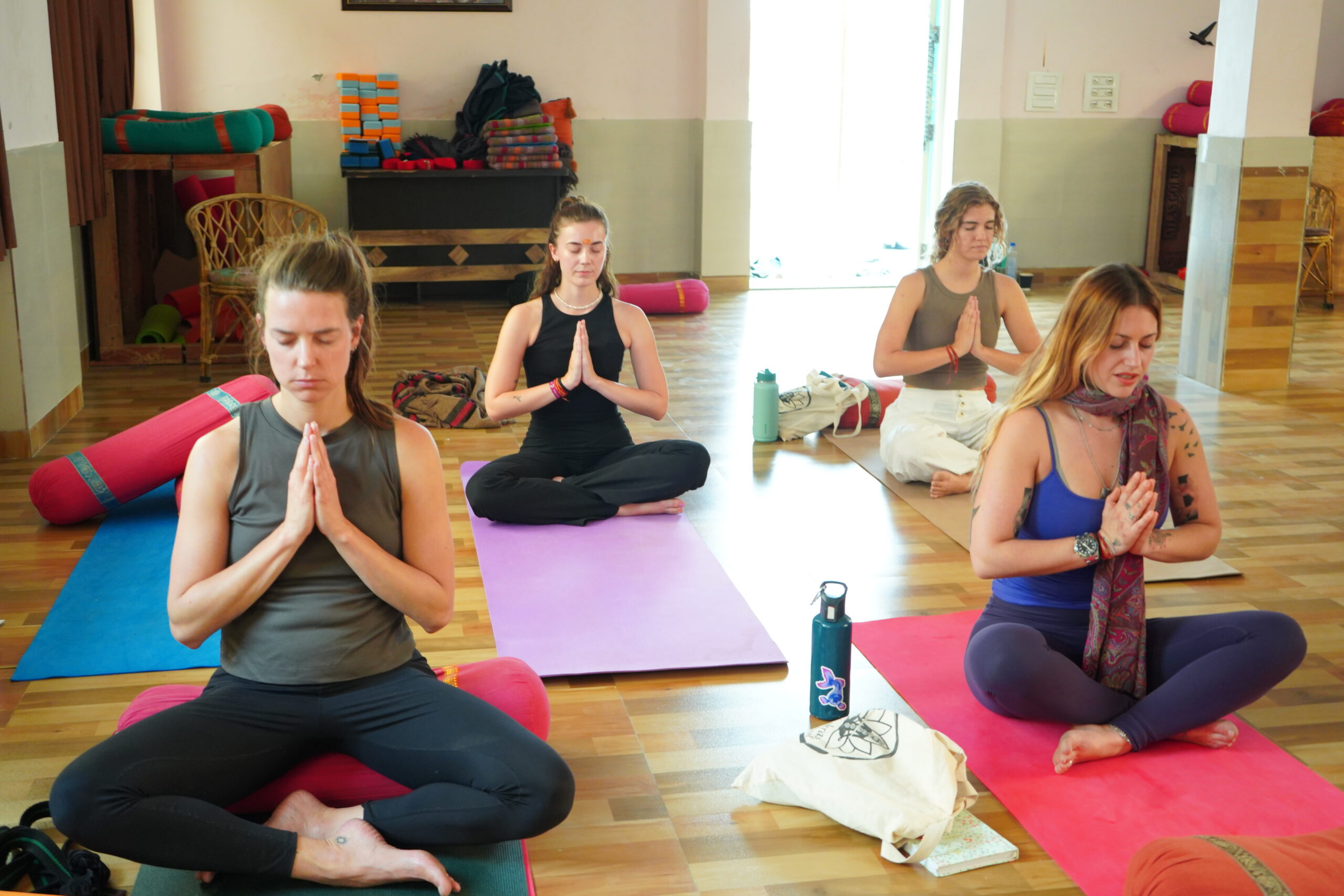
Even 10 minutes of daily meditation can shift how the body responds to seasonal stressors.
This mind–body connection is a core teaching in residential yoga programs in India, where silence and introspection are considered therapeutic.
Yogic Nutrition & Seasonal Eating
Yoga does not separate practice from food. Immunity-supportive diets focus on:
- Warm, freshly prepared meals
- Simple spices to aid digestion
- Seasonal fruits and vegetables
- Avoiding heavy or processed foods
Students immersed in yoga TTC in India often experience noticeable changes in energy and digestion simply by aligning meals with practice.
Why India Is Central to Preventive Wellness
Global searches for yoga for immunity and natural immune boosting practices are rising but India remains the reference point for holistic wellness.
The reason is simple: yoga here is taught as a preventive lifestyle, not a symptom-focused solution. Routines are designed to support long-term health rather than quick fixes.
This approach resonates strongly with international students seeking sustainable wellbeing.
Integrating Immunity Practices Into Daily Life
You don’t need advanced postures or long sessions. A sustainable immunity routine includes:
- Consistent sleep and wake times
- Gentle asana practice
- Daily pranayama
- Simple meditation
- Seasonal dietary awareness
These principles form the foundation of authentic yoga education.
FAQs
Q1. Can yoga really improve immunity?
Yes. Yoga supports digestion, stress regulation, and respiratory health—all essential for immunity.
Q2. Which season requires the most immunity support?
Seasonal transitions, especially monsoon and winter, challenge immunity the most.
Q3. Is pranayama safe during seasonal illness?
Gentle breath practices are safe when guided and practiced mindfully.
Q4. Do yoga retreats help improve immunity?
Yes. Retreats remove stressors and establish supportive routines.
Q5. Is immunity-focused yoga suitable for beginners?
Absolutely. Foundational practices are gentle and accessible.