 Skip to content
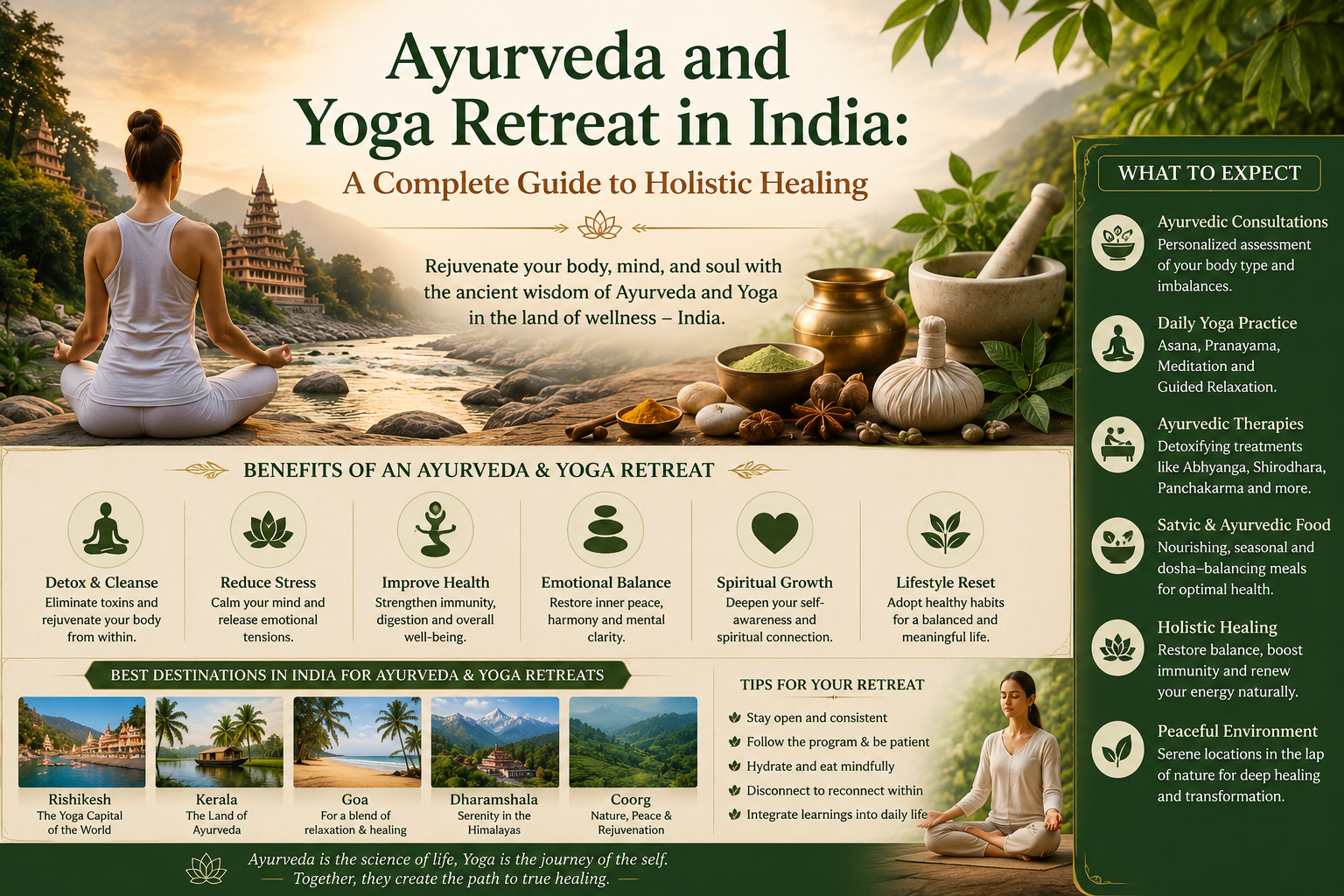
Ayurveda and Yoga Retreat in India: A Complete Guide to Holistic Healing
There’s a reason so many travelers searching for genuine wellness eventually find themselves looking at India – and more specifically, at the foothills of the Himalayas where the Ganges begins its journey through the plains. Ayurveda and yoga were never meant to be separate systems. They evolved together, sharing the same philosophical roots, the same understanding of the body as an energetic system, and the same goal: balance. When combined in a retreat setting, they create something far more powerful than either practice alone.
If you’ve been considering an Ayurveda and Yoga Retreat in India, this guide walks through what to expect, how these two systems work together, and how to choose an experience that genuinely supports your wellbeing rather than simply offering a relaxing vacation with a yoga label attached.
Why Ayurveda and Yoga Belong Together
Ayurveda, often called the “sister science” of yoga, is a 5,000-year-old system of medicine that views health as a dynamic balance between three doshas — vata, pitta, and kapha. Yoga, meanwhile, works on the same energetic body through asana, pranayama, and meditation. Where Ayurveda diagnoses imbalance and prescribes diet, herbs, and lifestyle adjustments, yoga provides the movement and breathing practices that help restore that balance from within.
A retreat that integrates both disciplines typically begins with an Ayurvedic consultation, where a practitioner assesses your dominant dosha and any imbalances through pulse diagnosis, tongue examination, and a detailed conversation about your lifestyle, digestion, sleep, and emotional patterns. From there, your daily schedule — meals, yoga practices, and any therapeutic treatments — is tailored around restoring equilibrium to your specific constitution.
This personalized approach is what sets a true Ayurveda-yoga retreat apart from a generic wellness vacation. Two people attending the same retreat might follow noticeably different routines, diets, and even yoga sequences, based entirely on what their bodies need.
What a Typical Day Looks Like
Mornings at an Ayurveda and yoga retreat usually begin before sunrise, often around 5:30 or 6:00 AM. This isn’t arbitrary — Ayurveda places significant importance on aligning daily rhythms with natural cycles, and the early morning hours (known as Brahma Muhurta) are considered ideal for meditation and spiritual practice due to their stillness and clarity.
A typical schedule might look like this:
- Early morning meditation or pranayama session
- Asana practice tailored to your dosha (calming and grounding sequences for vata types, cooling practices for pitta, and more invigorating sequences for kapha)
- Ayurvedic breakfast based on your individual constitution
- Therapeutic treatments such as abhyanga (oil massage), shirodhara, or steam therapy
- Rest period or gentle walking
- Lunch — typically the largest meal of the day, as digestive fire (agni) is considered strongest at midday
- Afternoon workshop on Ayurvedic principles, herbs, or lifestyle practices
- Evening yoga or restorative practice
- Light dinner, often eaten several hours before bed to support digestion
- Evening meditation or satsang
This rhythm might feel restrictive at first, especially for those used to irregular eating times or late nights, but most guests report that within just a few days, their energy levels, sleep quality, and digestion noticeably improve.
The Role of Panchakarma
For those seeking a deeper level of healing, many retreats offer panchakarma — a traditional Ayurvedic detoxification program involving a sequence of therapies designed to eliminate accumulated toxins (ama) from the body. Panchakarma typically includes oil massages, herbal steam treatments, nasal cleansing (nasya), and in more intensive programs, supervised therapeutic purging.
Panchakarma is not something to enter into lightly or without proper guidance. It’s important to choose a retreat with qualified Ayurvedic doctors who can customize the program based on your health history and current condition. When done correctly, panchakarma can leave guests feeling physically lighter, mentally clearer, and emotionally more settled — but it requires commitment, typically a minimum of 7 to 14 days for noticeable results.
How Yoga Style Is Chosen Based on Dosha
One of the more fascinating aspects of an integrated retreat is how yoga practice is adapted to individual constitution. While many retreat centers teach foundational styles broadly, those with strong Ayurvedic integration go further:
For vata-dominant individuals (characterized by qualities of air and space — often anxious, prone to cold hands and feet, irregular digestion), practices tend to be slow, grounding, and warming. Restorative postures, longer holds, and calming pranayama like Nadi Shodhana are emphasized.
For pitta-dominant individuals (fire and water — often intense, competitive, prone to overheating or inflammation), cooling practices are prioritized. This might include gentler sequences, moon salutations instead of sun salutations, and cooling breathwork like Sheetali pranayama.
For kapha-dominant individuals (earth and water — often steady but prone to lethargy and sluggish digestion), more dynamic and energizing practices are recommended. This is where styles like Ashtanga Yoga in Rishikesh India or vigorous Vinyasa Yoga in Rishikesh India can be particularly beneficial, helping stimulate metabolism and circulation.
This individualized approach reflects the deeper philosophy that yoga isn’t a one-size-fits-all practice — what heals one person might aggravate another, which is exactly why combining it with Ayurvedic assessment makes such a meaningful difference.
Choosing the Right Location: Why Rishikesh Stands Out
India offers Ayurveda and yoga retreats across many regions, from Kerala’s coastal panchakarma centers to Himalayan ashrams. Rishikesh, in particular, holds a unique position because of its spiritual heritage combined with its accessibility and established yoga infrastructure.
Sitting on the banks of the Ganges with the Himalayan foothills as a backdrop, Rishikesh has been a center for yogic and spiritual study for centuries. If you want to understand why this small city carries such weight in the global yoga community, What Makes Rishikesh the Yoga Capital of the World? offers helpful context on its history and significance.
For travelers specifically looking for combined Ayurveda and yoga programming, a Yoga Retreat in Rishikesh typically blends traditional Ayurvedic treatments with daily asana, meditation, and philosophy sessions — all set within walking distance of ashrams, temples, and the river itself, which adds a meditative quality that’s difficult to replicate elsewhere.
What to Pack and Prepare For
Retreats with strong Ayurvedic components often have specific guidelines around diet (expect a sattvic, vegetarian menu with minimal caffeine, alcohol, and processed foods), clothing (loose, breathable layers work best, particularly for oil-based treatments), and personal items. If you’re traveling from a colder climate, layering is essential since mornings and evenings in the Himalayan foothills can be quite cool even when daytime temperatures are warm.
For a detailed packing breakdown specific to retreat and training environments in this region, What to Pack for Yoga Teacher Training in Rishikesh provides a thorough checklist that applies equally well to shorter retreat stays.
Frequently Asked Questions
How long should an Ayurveda and yoga retreat be?
For genuine therapeutic benefit, most practitioners recommend a minimum of 7 days, though 10–14 days allows for deeper detoxification and habit formation. Shorter retreats (3–5 days) can still offer meaningful rest and introduction to Ayurvedic principles, but won’t provide the same depth of physiological change.
Do I need prior yoga experience?
No. Most Ayurveda and yoga retreats welcome complete beginners, and practices are adapted to individual ability levels. The Ayurvedic consultation process actually helps ensure beginners aren’t pushed into practices beyond their current capacity.
Will I lose weight at an Ayurveda retreat?
Weight loss can be a side effect for some guests, particularly those undergoing panchakarma, but it shouldn’t be the primary goal. The focus is on restoring balance, improving digestion, and reducing accumulated toxins — changes that often naturally support a healthier body composition over time, but vary significantly between individuals.
Is Ayurvedic food restrictive or bland?
Not at all, though it is different from typical Western diets. Ayurvedic cuisine emphasizes fresh, warm, easily digestible meals with a balance of all six tastes (sweet, sour, salty, bitter, pungent, astringent). Many guests are pleasantly surprised by how flavorful and satisfying sattvic meals can be once they adjust to the rhythm of fewer, more mindful meals.
Can I combine an Ayurveda retreat with a longer teacher training?
Yes, and many people do. Some choose to begin with a shorter retreat to acclimate to the environment, diet, and daily rhythm before committing to an intensive program like a 200 Hours YTTC Rishikesh India, which often incorporates Ayurvedic principles as part of its broader curriculum.
What if I have a specific health condition?
It’s important to disclose any health conditions, medications, or concerns before arrival. Reputable retreats with qualified Ayurvedic doctors will adjust treatments and dietary recommendations accordingly, and in some cases may advise against certain therapies (such as intensive panchakarma) if they’re not appropriate for your situation.
Final Thoughts
An Ayurveda and yoga retreat in India offers something that’s becoming increasingly rare: a genuinely personalized approach to wellness, rooted in a tradition that has been refined over thousands of years. Whether you’re seeking physical healing, mental clarity, or simply a reset from the demands of modern life, the combination of these two ancient sciences — practiced in a setting as spiritually rich as the Himalayan foothills — offers a depth of experience that’s difficult to find anywhere else.
For those who find this introduction sparks a deeper interest in yoga itself, exploring the foundational principles further through resources like Values of Yoga in Life India can help frame how these practices extend far beyond the retreat experience and into everyday living.
