 Skip to content
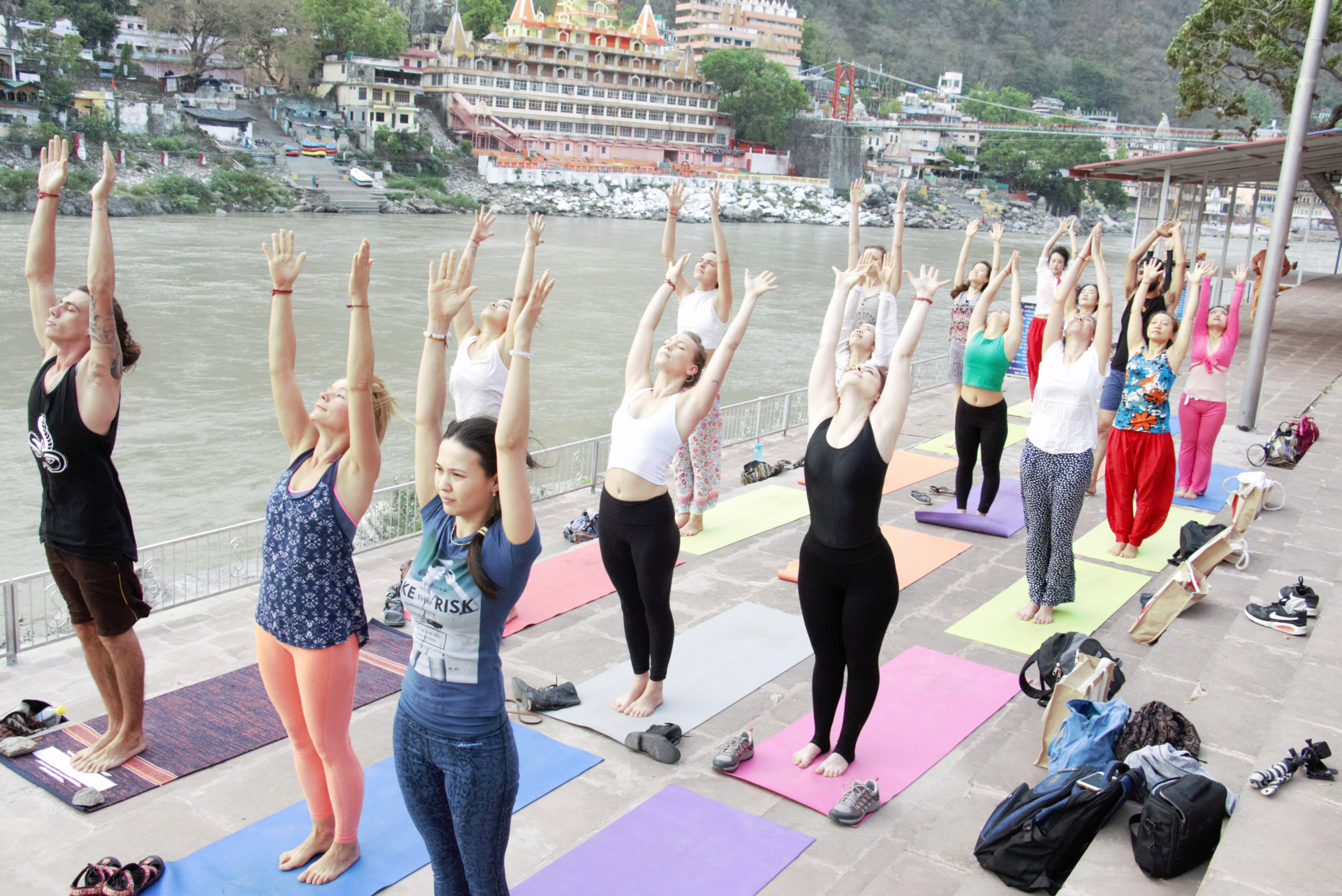
In today’s modern lifestyle, anxiety and depression have become increasingly common. Constant stress, emotional pressure, and lack of balance can affect mental health deeply. While medication and therapy are important, many people are now turning toward natural healing methods like yoga.
Yoga offers a holistic approach to mental well-being by addressing the body, mind, and breath together. It helps calm the nervous system, regulate emotions, and bring inner stability.
At Rishikesh Yog Darshan, students are taught how to use yoga as a powerful healing tool under the expert guidance of Uttam Ji and Anshika. Their teachings combine traditional yogic wisdom with practical techniques that support mental health naturally.
If you want to learn these practices in depth, joining a structured Yoga Teacher Training in Rishikesh can be a life-changing step.
Understanding Anxiety and Depression
What is Anxiety?
Anxiety is a feeling of fear, worry, or nervousness that can interfere with daily life.
Symptoms:
- Rapid heartbeat
- Restlessness
- Overthinking
- Difficulty concentrating
What is Depression?
Depression is a condition that affects mood, energy, and motivation.
Symptoms:
- Persistent sadness
- Lack of interest
- Fatigue
- Sleep issues
Yoga helps by calming the mind and restoring emotional balance.
To explore deeper mental health support, visit
Yoga for Mental Health in Rishikesh India.
How Yoga Helps with Anxiety and Depression
Yoga works on multiple levels to improve mental health.
1. Regulates the Nervous System
Activates relaxation response
2. Reduces Stress Hormones
Lowers cortisol levels
3. Improves Brain Function
Enhances serotonin and dopamine
4. Promotes Mindfulness
Reduces negative thinking
Many students explore these benefits deeply through Yoga TTC India.
Best Yoga Poses for Anxiety and Depression
Gentle and restorative poses are most effective for calming the mind.
1. Child’s Pose (Balasana)
Benefits:
- Relieves stress
- Calms the mind
- Provides emotional comfort
2. Legs-Up-The-Wall (Viparita Karani)
Benefits:
- Reduces anxiety
- Improves circulation
- Relaxes the body
3. Cat-Cow Pose
Benefits:
- Releases tension
- Improves breathing
- Reduces mental fatigue
4. Forward Bend (Uttanasana)
Benefits:
- Calms the nervous system
- Reduces stress
- Encourages relaxation
5. Bridge Pose (Setu Bandhasana)
Benefits:
- Opens the chest
- Improves mood
- Reduces anxiety
6. Corpse Pose (Savasana)
Benefits:
- Deep relaxation
- Reduces mental stress
- Promotes emotional healing
Advanced relaxation practices like
Yoga Nidra in Rishikesh are highly effective for deep healing.
Breathing Techniques for Mental Health
Pranayama plays a crucial role in managing anxiety and depression.
1. Nadi Shodhana
Balances energy and calms the mind
2. Bhramari Pranayama
Reduces anxiety and improves focus
3. Ujjayi Breathing
Enhances awareness and relaxation
Meditation for Emotional Healing
Meditation helps create awareness and reduce negative thoughts.
Simple Practice:
- Sit quietly
- Focus on breathing
- Observe thoughts without judgment
Benefits:
- Reduces overthinking
- Improves emotional control
- Promotes inner peace
Daily Yoga Routine for Anxiety and Depression
Morning Routine:
- Breathing exercises – 5 minutes
- Gentle yoga poses – 10 minutes
- Meditation – 5 minutes
Evening Routine:
- Restorative yoga – 10 minutes
- Yoga Nidra – 10 minutes
Following a structured lifestyle like
Daily Routine During Yoga Teacher Training in Rishikesh can help maintain consistency.
Lifestyle Changes to Support Mental Health
Yoga becomes more effective when combined with healthy habits.
Tips:
- Maintain a regular routine
- Eat a balanced diet
- Limit screen time
- Spend time in nature
- Practice gratitude
Scientific Evidence Supporting Yoga
Research shows that yoga:
- Reduces symptoms of anxiety and depression
- Improves mood
- Enhances emotional resilience
- Supports brain health
Why Rishikesh is Ideal for Mental Healing
Rishikesh offers a peaceful and spiritual environment that supports healing.
Benefits:
- Himalayan surroundings
- Sacred Ganga energy
- Authentic yoga teachings
- Experienced mentors
Learn more here:
What Makes Rishikesh the Yoga Capital of the World?
When to Consider Professional Yoga Training
If anxiety or depression is affecting your daily life, structured training can help.
Benefits:
- Personalized guidance
- Safe practices
- Deeper understanding
Programs like
200 Hours YTTC Rishikesh India provide complete transformation.
Common Mistakes to Avoid
Avoid:
- Forcing poses
- Practicing irregularly
- Ignoring breathing
- Expecting instant results
Long-Term Benefits of Yoga for Mental Health
With consistent practice, yoga can:
- Improve emotional stability
- Reduce anxiety and depression
- Enhance self-awareness
- Promote inner peace
Many practitioners deepen their journey through a
Yoga Retreat in Rishikesh.
Conclusion
Yoga is a powerful and natural approach to managing anxiety and depression. By combining physical movement, breathing techniques, and meditation, it helps restore balance and emotional well-being.
While yoga is not a replacement for medical treatment, it is a highly effective complementary practice that supports long-term mental health.
If you are ready to transform your life, learning from the Best Yoga School in Rishikesh can guide you on a deeper healing journey.
FAQs
1. Can yoga cure anxiety and depression?
Yoga helps manage symptoms and improve mental health but should complement professional care.
2. How often should I practice yoga?
Daily practice is ideal for best results.
3. Which yoga is best for mental health?
Gentle yoga, pranayama, and meditation are most effective.
4. How long does it take to see results?
Some benefits are immediate, while long-term changes take a few weeks.
5. Can beginners practice yoga for anxiety? Yes, simple poses and breathing techniques are enough to start.
