 Skip to content
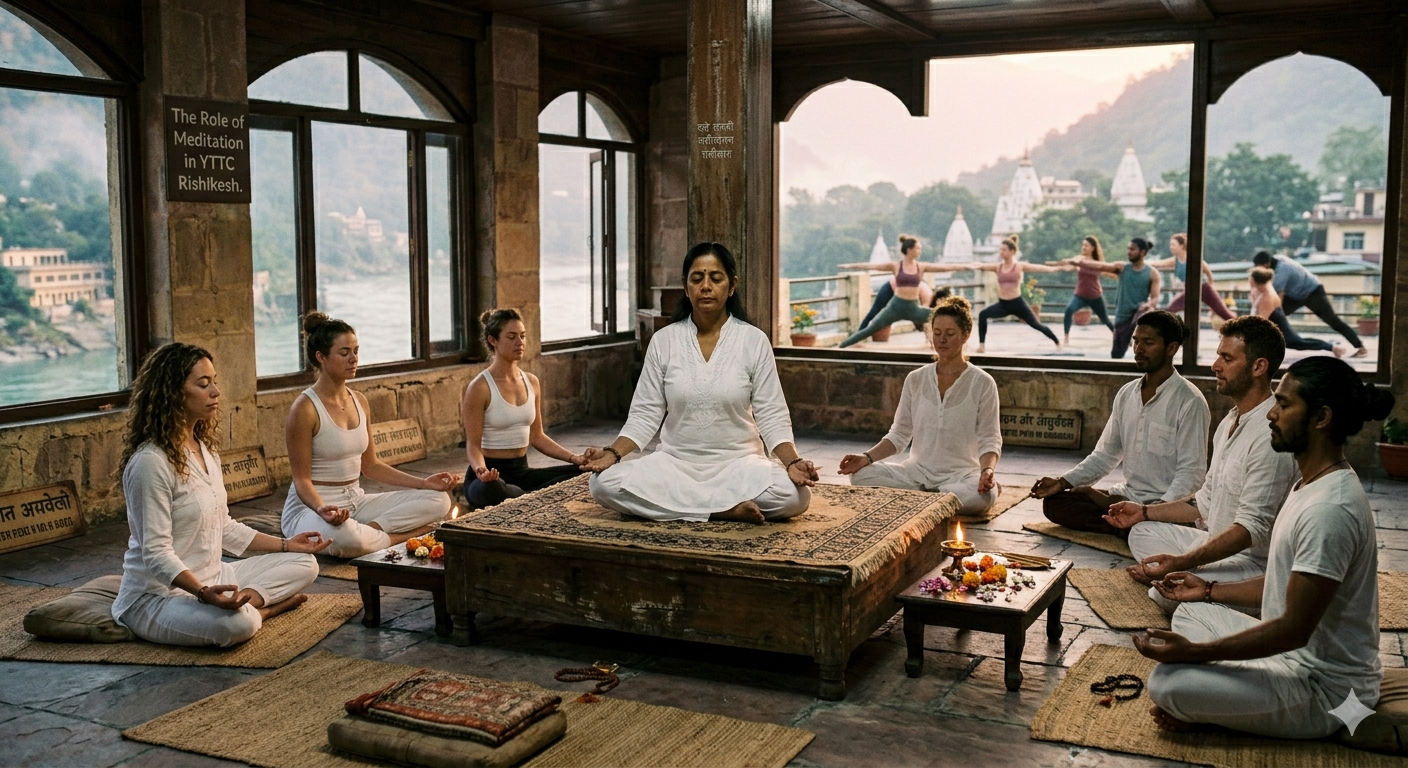
Yoga is often associated with physical postures, but its true essence goes far beyond the body. Meditation is a core component of yoga that connects the mind, body, and spirit. In a traditional yoga teacher training program, meditation plays a vital role in shaping both personal growth and teaching ability.
Rishikesh, with its peaceful surroundings and spiritual energy, offers the perfect environment to explore meditation deeply as part of your yoga journey.
Why Meditation is Essential in Yoga
Meditation is the practice of training the mind to achieve clarity, focus, and emotional balance. It helps in reducing stress, improving concentration, and developing a deeper connection with oneself.
When you enroll in a structured program like Yoga Teacher Training in Rishikesh, meditation becomes a daily practice that enhances every aspect of your training.
Types of Meditation Taught in Training
Yoga teacher training courses in Rishikesh introduce students to various meditation techniques, such as:
- Mindfulness Meditation: Focusing on the present moment
- Breath Awareness (Anapanasati): Observing natural breathing
- Mantra Meditation: Repetition of sacred sounds
- Guided Meditation: Led sessions for relaxation and healing
- Chakra Meditation: Balancing the body’s energy centers
These practices help students explore different methods and find what resonates with them.
Benefits of Meditation During Training
Regular meditation practice during yoga teacher training offers numerous benefits:
- Improved Mental Clarity: Helps in better understanding of yoga concepts
- Emotional Stability: Reduces anxiety and enhances inner peace
- Enhanced Focus: Improves attention during classes and self-study
- Self-Awareness: Encourages deeper understanding of thoughts and behaviors
Many beginners first experience meditation through a Meditation and Yoga Retreat in Rishikesh before joining an intensive training program.
Meditation and Teaching Skills
Meditation not only benefits personal growth but also enhances your ability to teach yoga effectively.
- Helps you stay calm and composed while teaching
- Improves communication and connection with students
- Encourages mindful and intentional teaching methods
- Builds confidence and presence
A good yoga teacher embodies calmness and awareness, which comes naturally through consistent meditation practice.
Daily Meditation Routine in Training
During a yoga teacher training course, meditation is usually practiced daily:
- Early morning sessions to start the day with clarity
- Evening meditation for relaxation and reflection
- Silent sitting practices for deeper awareness
Some students begin their journey with a short Yoga Retreat in Rishikesh to gradually build a meditation habit before committing to longer programs.
Overcoming Challenges in Meditation
Meditation can be challenging, especially for beginners. Common difficulties include:
- Restless thoughts
- Lack of concentration
- Physical discomfort during sitting
However, with consistent practice and proper guidance, these challenges gradually fade, leading to a more stable and शांत mind.
Conclusion
Meditation is the heart of yoga teacher training in Rishikesh. It transforms not just your practice but your entire way of living. By cultivating mindfulness, clarity, and inner peace, meditation prepares you to become not only a better yoga practitioner but also a more effective and inspiring teacher.
If you truly want to experience the depth of yoga, embracing meditation is essential—and Rishikesh provides the perfect setting to begin that journey.
