 Skip to content
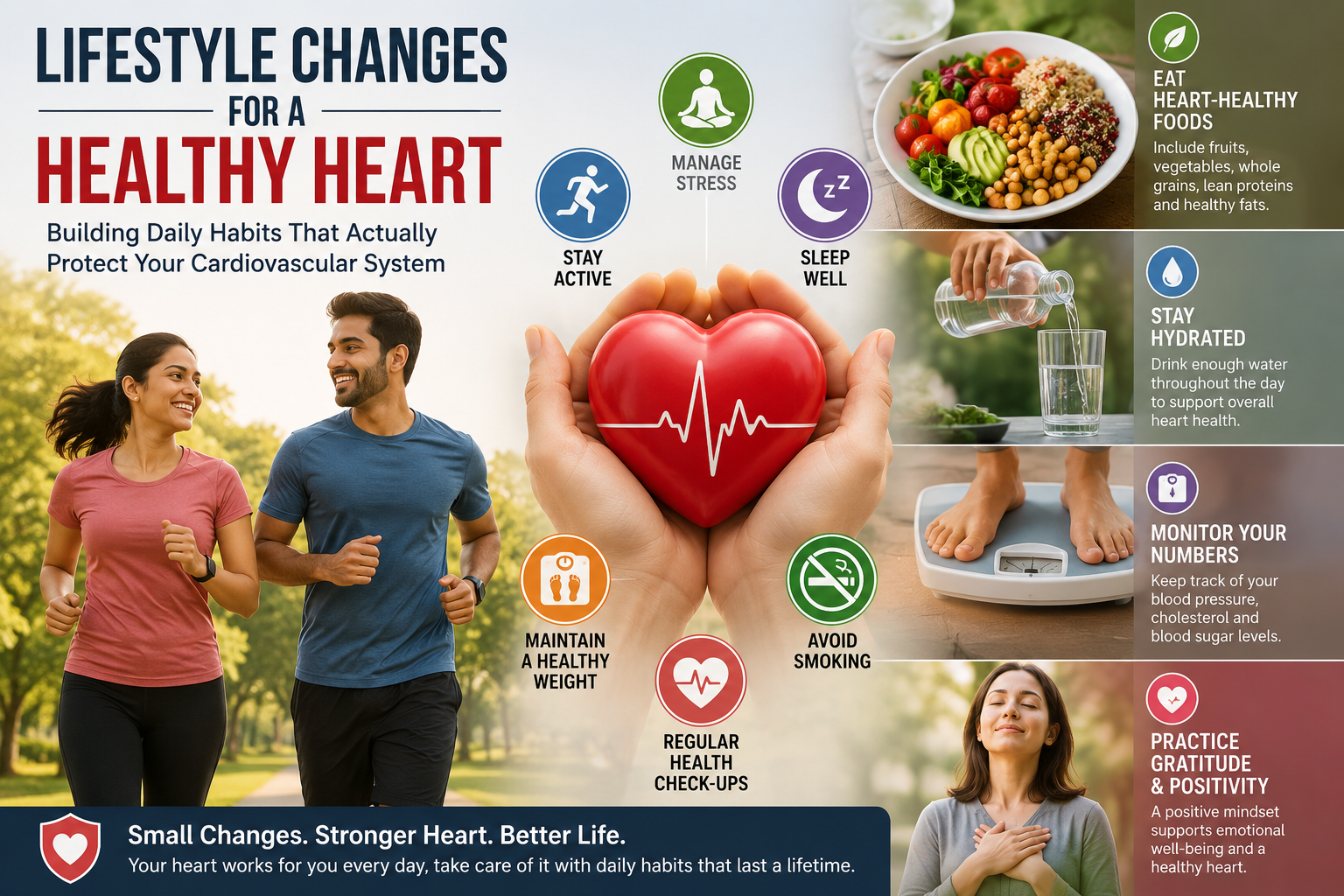
Cardiovascular disease remains one of the leading causes of death worldwide, yet a substantial portion of that risk is shaped by daily, modifiable habits rather than genetics alone. Diet, physical activity, sleep, stress, and substance use all interact continuously with the heart and blood vessels, which means the cumulative effect of small daily choices often matters more for long-term heart health than any single dramatic change. This article looks at the lifestyle changes with the strongest evidence behind them, how they work together rather than in isolation, and how to build a sustainable, heart-conscious routine without falling into the trap of short-lived, all-or-nothing resolutions.
For readers who want to approach heart health through an integrated, mind-body lens alongside these core lifestyle pillars, a Yoga TTC India program often incorporates movement, breathwork, and lifestyle education that reinforces many of the same habits covered here.
Why Lifestyle Carries So Much Weight in Cardiovascular Health
The heart and blood vessels respond continuously to the conditions created by daily habits, from the food eaten at each meal to the quality of sleep obtained each night. Elevated blood pressure, unfavorable cholesterol levels, insulin resistance, and chronic inflammation, the core drivers of cardiovascular disease, are all influenced significantly by lifestyle factors that remain within a person’s control, even when genetics or family history raise baseline risk.
This is part of why major health organizations now treat lifestyle modification as a first-line intervention for cardiovascular risk, often recommended before or alongside medication, since sustained lifestyle change can meaningfully reduce the need for more intensive treatment over time and improves outcomes even for people already managing diagnosed heart disease.
What the Research Says About Lifestyle and Heart Disease
Large, long-running population studies have consistently found that a cluster of healthy behaviors, including not smoking, maintaining a healthy weight, regular physical activity, a diet rich in whole foods, and moderate alcohol consumption, is associated with substantially lower rates of cardiovascular disease and death. Some of this research suggests that adhering to several of these habits simultaneously can reduce cardiovascular risk more than would be expected from each factor individually, pointing to a compounding effect when multiple healthy habits are practiced together.
It is worth noting that lifestyle change works best as a sustained, long-term pattern rather than an intense short-term effort, and the research reflects this: studies following people over years and decades consistently show that the health benefits of these habits accumulate gradually and depend heavily on consistency rather than perfection.
The Core Pillars of a Heart-Healthy Lifestyle
While cardiovascular health is influenced by many factors, a handful of core habits carry the strongest and most consistent evidence behind them.
A Whole-Food, Plant-Forward Diet
Diets rich in vegetables, fruits, whole grains, legumes, and healthy fats, while limiting refined carbohydrates, added sugar, and excess sodium, are consistently linked to lower rates of heart disease. Mediterranean-style eating patterns in particular have some of the strongest research behind them, showing benefits for blood pressure, cholesterol, and inflammation markers across numerous long-term studies.
Regular, Moderate Physical Activity
Consistent movement, rather than occasional intense exercise, appears to offer the most reliable cardiovascular benefit. Most guidelines recommend at least 150 minutes of moderate-intensity activity per week, which can include brisk walking, swimming, cycling, or gentle to moderate yoga practice, spread across the week rather than concentrated into one or two demanding sessions.
Quality Sleep
Sleep is often overlooked in heart health conversations, but poor or insufficient sleep is independently linked to higher blood pressure, weight gain, and increased cardiovascular risk over time. Consistent sleep and wake times, a cool and dark sleeping environment, and limiting screens before bed all support the kind of restorative sleep the cardiovascular system depends on for nightly recovery.
Stress Management
Chronic stress keeps the sympathetic nervous system dominant, contributing to elevated heart rate, higher blood pressure, and increased inflammation over time. Structured practices such as those outlined in Pranayama for Stress Relief offer accessible, evidence-informed ways to shift the nervous system toward a calmer state, complementing the physical lifestyle changes that diet and exercise provide.
Avoiding Tobacco and Limiting Alcohol
Smoking remains one of the single most damaging habits for cardiovascular health, and quitting produces measurable risk reduction beginning within weeks and continuing for years afterward. Alcohol, when consumed, is best kept to moderate levels, since excessive intake is linked to elevated blood pressure, irregular heart rhythms, and weakened heart muscle over time.
Maintaining a Healthy Weight
Excess weight, particularly around the abdomen, is linked to higher blood pressure, less favorable cholesterol levels, and increased risk of insulin resistance, all of which raise cardiovascular risk. Rather than pursuing weight loss through restrictive short-term diets, the strongest long-term evidence supports gradual weight management achieved through the same sustainable dietary and activity changes already described, since weight lost quickly through extreme measures is often regained just as quickly once the underlying habits are dropped.
How These Habits Reinforce Each Other
One of the more encouraging findings in lifestyle medicine research is that these habits tend to support one another rather than existing as separate, competing priorities. Better sleep tends to reduce stress and improve appetite regulation, which supports healthier eating. Regular movement improves sleep quality and helps regulate stress hormones. Reduced stress, in turn, tends to support better food choices and more consistent exercise adherence.
This interconnected pattern is part of why starting with even one or two changes, practiced consistently, often creates momentum that makes additional changes easier to sustain, rather than requiring every habit to be overhauled simultaneously.
Lifestyle Changes and Overlapping Metabolic Risk Factors
Cardiovascular disease frequently coexists with other metabolic conditions, particularly type 2 diabetes, insulin resistance, and obesity, all of which share overlapping lifestyle drivers. Because the same core habits, whole-food eating, regular movement, quality sleep, and stress regulation, benefit these conditions simultaneously, addressing heart health rarely means starting from scratch if metabolic concerns are already being managed.
Readers managing blood sugar concerns alongside cardiovascular risk may find it worthwhile to also review Yoga for Diabetes Management, since improved insulin sensitivity and reduced systemic inflammation tend to benefit the heart and the metabolic system through many of the same underlying pathways.
Building a Sustainable Heart-Healthy Routine
Consistency at a moderate, realistic pace produces far better long-term outcomes than aggressive short-term changes that are difficult to sustain. A simple framework to build from might include:
- Diet: build meals around vegetables, whole grains, and lean proteins, and make gradual swaps, such as replacing refined grains with whole grains, rather than overhauling every meal at once.
- Movement: aim for daily activity in whatever form is sustainable, whether a structured workout or simply consistent walking, rather than relying on occasional intense sessions.
- Sleep: protect a consistent sleep and wake schedule as seriously as any other health commitment, since irregular sleep undermines many of the other changes being made.
- Stress: build in a few minutes of breathwork, quiet reflection, or gentle movement daily, rather than treating stress management as something to address only during a crisis.
- Substances: reduce or eliminate tobacco use and keep alcohol within moderate limits, seeking professional support where needed for either change.
This kind of steady, multi-pillar approach mirrors the paced, deliberate rhythm many people first experience in an immersive training environment, where movement, breathwork, diet, and rest are built into the daily structure together rather than pursued as separate, disconnected goals.
Avoiding Common Pitfalls in Lifestyle Change
One of the most common reasons lifestyle changes fail to stick is attempting too many changes simultaneously, which often leads to burnout within weeks. Starting with one or two habits, practicing them consistently for several weeks, and then layering in additional changes tends to produce more durable results than a complete overhaul attempted all at once.
It also helps to expect occasional setbacks as a normal part of the process rather than a sign of failure. A missed workout, a stressful week that disrupts sleep, or an indulgent meal does not undo weeks of consistent habits, and treating these moments as minor deviations rather than reasons to abandon the broader routine tends to produce far more sustainable long-term change. Tracking progress through general trends, such as how energy, sleep quality, or mood feel over several weeks, rather than fixating on daily fluctuations in weight or a single blood pressure reading, also tends to support a healthier, less discouraging relationship with the process overall.
Safety Guidelines for Making Lifestyle Changes
Anyone with diagnosed heart disease, uncontrolled blood pressure, or significant cardiovascular risk factors should consult a physician before making significant changes to diet, exercise intensity, or medication-related habits, since some lifestyle changes can interact with existing treatment plans.
Chest pain, unusual shortness of breath, irregular heartbeat, dizziness, or lightheadedness during increased activity or any new routine should always be treated as a signal to stop and seek medical attention rather than a symptom to push through.
Frequently Asked Questions (FAQs)
1. Which lifestyle change matters most for heart health?
There is no single change that outweighs all others, but not smoking and maintaining regular physical activity tend to show some of the strongest individual associations with reduced cardiovascular risk across long-term studies.
2. How long does it take for lifestyle changes to improve heart health?
Some benefits, such as improved blood pressure from increased activity, can appear within weeks, while other changes, such as improved cholesterol from dietary shifts, generally take several months of consistent practice to show measurable results.
3. Can lifestyle changes replace heart medication?
For some people with early-stage risk factors, lifestyle changes alone may be sufficient, but this decision should always be made with a physician, since many people benefit most from lifestyle changes used alongside, rather than instead of, prescribed medication.
4. Is it better to focus on diet or exercise first?
Both matter significantly, and there is no universally correct order. Many people find it easier to start with whichever change feels most manageable given their current routine, then build additional habits from that initial momentum.
5. Note for Readers
This article is intended for general informational purposes only and does not constitute medical advice. Heart disease is a serious medical condition, and readers should consult a qualified physician or cardiologist before making changes to medication, diet, or exercise routines.
Final Thoughts: A Healthier Heart Is Built One Habit at a Time
There is no single lifestyle change that guarantees cardiovascular health, but the accumulated evidence points clearly to a set of daily habits, diet, movement, sleep, stress regulation, and avoiding tobacco and excess alcohol, that meaningfully protect the heart when practiced consistently over time. Small, sustainable changes, layered gradually and supported by genuine rest and recovery, tend to outperform dramatic short-term efforts in the long run. For those wanting to build these habits in a fully supported environment, alongside the kind of movement, breathwork, and lifestyle structure that reinforces heart-healthy living, spending time at a dedicated Yoga Retreat in Rishikesh offers space to reset daily habits around food, movement, and rest under expert guidance.
