 Skip to content
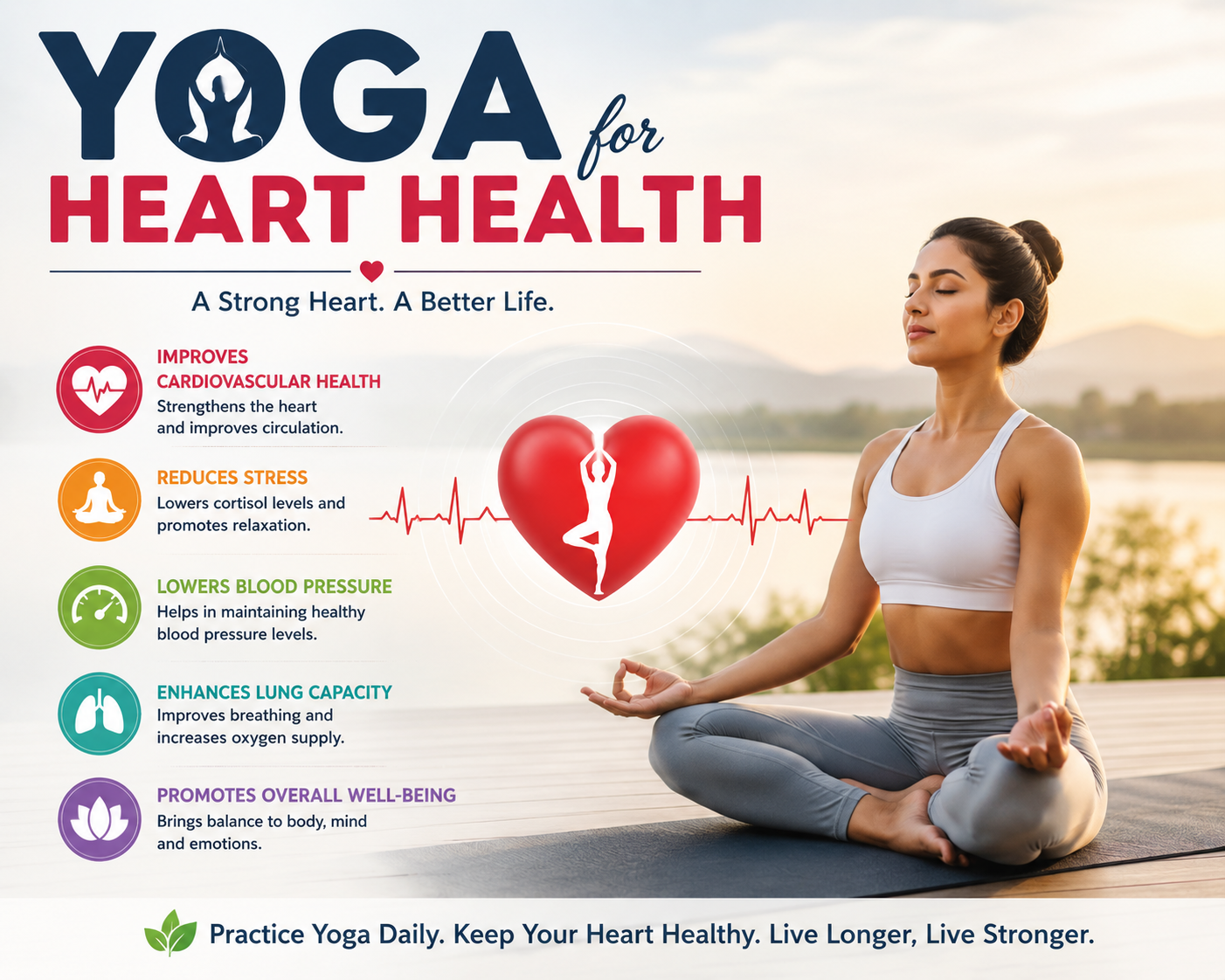
Heart disease remains one of the leading causes of death worldwide, and much of the conversation around preventing it focuses on diet, exercise, and medication, which is appropriate given how much evidence supports each. What gets discussed far less often is the role the nervous system plays in cardiovascular health, and this is precisely where yoga has earned serious attention from cardiac researchers and rehabilitation programs over the past two decades.
This article explores how yoga supports heart health through its combined effects on stress, blood pressure, heart rate variability, and inflammation, which practices tend to offer the most benefit, and how to build a heart-conscious routine safely. For readers who want to understand this mind-body connection in more depth through structured, guided practice, a Yoga Teacher Training in Rishikesh typically weaves this kind of cardiovascular-focused breathwork and gentle sequencing directly into its curriculum.
Why the Heart Responds So Strongly to Yoga
The heart doesn’t operate independently of the nervous system, it is in constant conversation with it. Chronic stress keeps the sympathetic, or fight-or-flight, branch of the nervous system dominant, which over time contributes to elevated heart rate, higher blood pressure, increased inflammation, and greater strain on the cardiovascular system as a whole. Yoga’s slow breathing, mindful movement, and relaxation techniques are among the most direct, non-pharmacological ways to shift this balance back toward the parasympathetic, or rest-and-digest, state that allows the heart to recover.
This is measurable through a metric called heart rate variability, or HRV, which reflects how well the heart adapts to changing demands. Higher HRV is generally associated with better cardiovascular resilience, and multiple studies have found that consistent yoga practice, particularly pranayama and meditation, is linked to meaningful improvements in this measure.
What the Research Says About Yoga and Cardiovascular Disease
Several clinical trials involving people with existing heart disease or elevated cardiac risk factors have found that structured yoga programs, often combined with standard cardiac rehabilitation, are associated with improvements in blood pressure, cholesterol profiles, body weight, and self-reported quality of life. Some research also points to reduced markers of systemic inflammation, which is increasingly recognized as a contributing factor in atherosclerosis and other cardiovascular conditions.
As with other conditions, it’s important to be clear that yoga is a complementary practice rather than a replacement for prescribed cardiac treatment, medication, or medically supervised exercise programs. The strongest evidence supports yoga as an addition to standard care, one that improves adherence to other lifestyle changes and directly addresses the stress component of cardiovascular risk that diet and medication alone don’t fully resolve.
The Best Yoga Practices for Heart Health
Heart-conscious yoga favors practices that build strength and circulation gradually, calm the nervous system, and avoid sudden strain, rather than practices designed purely for intensity or performance.
Pranayama for Heart Rate Regulation
Slow, rhythmic breathing is one of the most well-studied yoga interventions for cardiovascular health, since controlled breath directly influences heart rate and vagal tone. Pranayama for Stress Relief outlines several techniques, including slow diaphragmatic breathing and alternate nostril breathing, both of which are commonly incorporated into cardiac rehabilitation and stress-reduction programs for their measurable effect on resting heart rate.
Restorative Practice and Yoga Nidra
Deep relaxation practices allow the cardiovascular system genuine recovery time, something that is easy to overlook in a culture that treats constant activity as productive. Guided practices similar to Yoga Nidra in Rishikesh are often recommended for people recovering from cardiac events or managing chronic stress, since the state of deep, conscious rest they induce appears to lower cortisol and heart rate more effectively than simply lying down.
Moderate, Steady Movement
Gentle to moderate flowing sequences can offer genuine cardiovascular conditioning benefits when paced appropriately. Styles such as Vinyasa Yoga in Rishikesh India can be adapted to a heart-healthy pace by slowing transitions, adding rest breaks, and avoiding rapid, breath-holding sequences, though anyone with diagnosed heart disease should have this kind of modification guided by a qualified teacher or cardiac rehabilitation specialist rather than a general class.
Practices to Approach with Caution for Heart Conditions
Certain yoga practices place sudden or significant demands on the cardiovascular system, and people with existing heart disease, arrhythmias, or uncontrolled blood pressure should approach these only with medical clearance.
- Inversions such as headstand and shoulder stand, which shift blood volume and pressure suddenly toward the upper body.
- Vigorous, fast-paced sequences performed without adequate warm-up, especially in hot or humid rooms.
- Extended breath retention (kumbhaka), which can place unpredictable strain on heart rhythm if practiced incorrectly.
- Deep, unsupported backbends that place strain on the chest and cardiovascular structures.
- Any sequence that causes breathlessness, chest tightness, or dizziness, all signs that intensity has exceeded a safe threshold for the individual.
For anyone with a diagnosed cardiac condition, the general principle is to treat yoga the same way any other form of exercise would be treated: build intensity gradually, monitor how the body responds, and coordinate with a cardiologist before making significant changes.
The Heart-Mind Connection: Stress, Anxiety, and Cardiac Health
Anxiety and cardiovascular symptoms are closely intertwined, and it’s common for people to experience heart palpitations, chest tightness, or a racing pulse during periods of acute stress or panic, even in the absence of any underlying cardiac disease. Addressing this connection directly is often just as important for long-term heart health as addressing diet or physical activity.
Structured resources such as Yoga for Panic Attacks can be genuinely useful for people whose cardiac-adjacent symptoms are driven primarily by anxiety, since learning to recognize and calm this stress response reduces the frequency of the physiological spikes that place cumulative strain on the heart over time.
More broadly, sustained emotional wellbeing appears to have a protective effect on cardiovascular outcomes, which is part of why so many cardiac rehabilitation programs now include a psychological support component alongside physical therapy. Resources on Yoga for Mental Health in Rishikesh India reflect this same principle, treating the mind and the cardiovascular system as genuinely connected rather than separate areas of concern.
Heart Health and Overlapping Metabolic Risk Factors
Cardiovascular disease frequently coexists with other metabolic conditions, particularly type 2 diabetes and insulin resistance, both of which independently raise cardiac risk. Because several yoga-based interventions benefit these overlapping conditions simultaneously, addressing them together tends to produce better outcomes than treating the heart in isolation.
Readers managing blood sugar concerns alongside cardiovascular risk may find it worthwhile to also review Yoga for Diabetes Management, since improved insulin sensitivity and reduced systemic inflammation tend to benefit the heart and the metabolic system through many of the same underlying pathways.
Building a Heart-Healthy Daily Yoga Routine
As with most health-focused yoga applications, consistency at a moderate, sustainable pace produces far better long-term outcomes than occasional intense sessions. A simple structure to build from might include:
- Morning: five to ten minutes of slow diaphragmatic breathing to set a calm baseline for the nervous system before the day begins.
- Midday: a brief, gentle movement break to support circulation, particularly for those with sedentary jobs.
- Evening: twenty to thirty minutes of moderate, steady-paced asana practice, avoiding intense sequences within a few hours of bedtime.
- Weekly: at least one longer restorative or Yoga Nidra session dedicated purely to nervous-system recovery.
This kind of paced, deliberate rhythm is very close to what many students experience for the first time in an immersive setting. The Daily Routine During Yoga Teacher Training in Rishikesh combines steady morning practice, breathwork, and consistent rest in a way that closely mirrors what cardiac-focused yoga programs aim to build, which is part of why so many participants describe feeling calmer and more physically settled well before the program ends.
Safety Guidelines for People with Heart Conditions
Anyone with a diagnosed heart condition, a history of cardiac events, or significant cardiovascular risk factors should consult a cardiologist before beginning or meaningfully changing a yoga practice. This is especially important for people on heart medication, since certain postures and breathing techniques can interact with blood pressure and heart rate in ways that are easy to overlook without medical guidance.
Chest pain, unusual shortness of breath, irregular heartbeat, dizziness, or lightheadedness during or after practice should always be treated as signals to stop and seek medical attention rather than symptoms to push through.
Deepening the Practice Through Structured Yoga Training
For those who find that yoga genuinely supports their cardiovascular wellbeing, moving from occasional practice toward structured, guided study is often the most effective way to deepen the benefit safely. A Yoga TTC India program offers direct access to experienced teachers who can adapt breathing techniques and asana sequencing to individual cardiac considerations, rather than relying on generalized advice that doesn’t account for personal health history.
Rishikesh has developed a particular reputation for this kind of therapeutically informed teaching, and training at the Best Yoga School in Rishikesh allows students to study pranayama, restorative practice, and traditional philosophy as one integrated system, precisely the kind of holistic approach that tends to produce the steadiest, most heart-conscious results.
Frequently Asked Questions (FAQs)
1. Can yoga really improve heart health?
Research suggests regular yoga practice, particularly breath-centered and restorative styles, is associated with improved blood pressure, cholesterol, and heart rate variability. It functions best as a complement to standard cardiac care rather than a replacement for it.
2. Is yoga safe after a heart attack or cardiac event?
Many cardiac rehabilitation programs do include supervised yoga, but anyone recovering from a cardiac event should only begin practice with explicit clearance and guidance from their treating cardiologist.
3. What type of yoga is best for the heart?
Slow, breath-centered, and restorative styles tend to offer the most consistent cardiovascular benefit, while intense, fast-paced, or breath-holding practices are generally better avoided without medical guidance.
4. Can yoga help with heart palpitations caused by anxiety?
For palpitations driven primarily by stress or anxiety rather than a diagnosed arrhythmia, calming breathwork and nervous-system regulation techniques can meaningfully reduce their frequency, though any new or unexplained palpitations should always be evaluated by a doctor first.
5. Note for Readers
This article is intended for general informational purposes only and does not constitute medical advice. Heart disease is a serious medical condition, and readers should consult a qualified cardiologist or healthcare professional before making changes to medication, diet, or exercise routines, particularly before starting any new yoga practice.
Final Thoughts: A Stronger Heart Starts with a Calmer Nervous System
Heart health has always been described in purely mechanical terms, arteries, cholesterol, blood pressure, but the growing evidence around yoga makes clear that the nervous system is just as central to the picture. Slow breath, mindful movement, and genuine rest address the stress-driven side of cardiovascular risk in a way that diet and medication alone often cannot reach. For those wanting to build this connection more deeply, under expert guidance, spending time at a dedicated Yoga Retreat in Rishikesh offers a fully supported environment built specifically around breath, recovery, and the kind of steady practice that a healthy heart depends on.
