 Skip to content
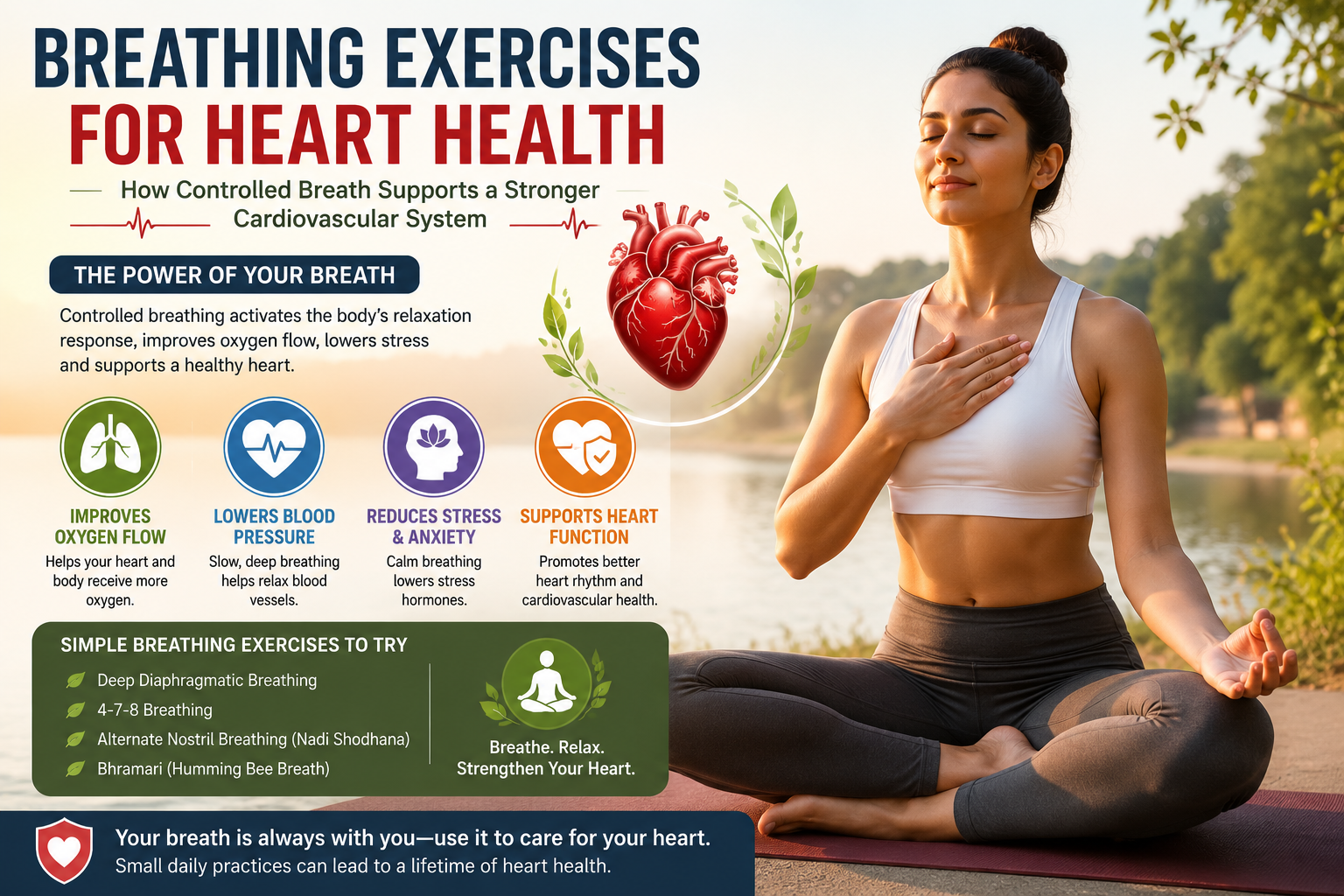
Breathing is the one bodily process that runs automatically yet can also be consciously controlled, and this dual nature is exactly why it has become such a focused area of cardiovascular research. Every breath influences heart rate, blood pressure, and the balance of the nervous system in real time, which means the way a person breathes throughout the day is quietly shaping their cardiovascular health whether they notice it or not. Structured breathing exercises, many of them drawn from yoga’s pranayama tradition, have moved from niche wellness practice into genuine clinical interest as researchers continue to document their measurable effects on heart rate variability, blood pressure, and stress hormone regulation.
This article looks at how specific breathing techniques influence heart health, what the research says about their benefits, and how to practice them safely as part of a broader cardiovascular wellness routine. Readers who want to study these techniques in more depth through structured, guided instruction will find that a Yoga TTC India program typically dedicates significant time to breath-centered practice and its physiological effects.
Why Breath Has Such a Direct Line to the Heart
The rate and depth of breathing are closely tied to the autonomic nervous system, which governs heart rate, blood vessel tone, and the body’s overall stress response. Fast, shallow breathing tends to activate the sympathetic, or fight-or-flight, branch of the nervous system, which raises heart rate and constricts blood vessels. Slow, deep breathing does the opposite, activating the parasympathetic, or rest-and-digest, branch, which lowers heart rate and encourages blood vessels to relax.
This connection is measurable through heart rate variability, or HRV, a metric that reflects how well the heart adapts to changing demands moment to moment. Higher HRV is generally associated with better cardiovascular resilience and lower long-term cardiac risk, and slow, controlled breathing is one of the most reliable, low-cost ways to improve it, since the exhale phase of breathing directly stimulates the vagus nerve, a key regulator of heart rate.
What the Research Says About Breathing Exercises and the Heart
Multiple clinical studies have examined slow-breathing interventions, generally practiced at a rate of around six breaths per minute, and found associations with reduced blood pressure, improved heart rate variability, and better outcomes in people with existing cardiovascular conditions when practiced consistently over several weeks or months. Some research on structured pranayama practices specifically has reported similar benefits, alongside improvements in perceived stress and sleep quality, both of which independently influence cardiovascular health.
As with other lifestyle-based interventions, it’s worth being clear that breathing exercises work best as a complement to standard cardiac care, including medication, diet, and physician-guided exercise, rather than a replacement for any of them. Their particular strength lies in directly addressing the stress and nervous system component of cardiovascular risk, an area that diet and medication alone often do not fully reach.
The Most Effective Breathing Techniques for Heart Health
Not all breathing exercises offer the same cardiovascular benefit, and heart-conscious practice generally favors techniques that are slow, controlled, and free of strain, rather than rapid or forceful breathing patterns.
Diaphragmatic Breathing
Also known as belly breathing, this technique involves breathing deeply into the abdomen rather than shallowly into the chest, which engages the diaphragm fully and encourages a slower, more efficient breathing pattern. Diaphragmatic breathing is one of the most consistently studied techniques for lowering resting heart rate and blood pressure, and it forms the foundation that most other pranayama techniques build on.
Extended Exhale Breathing
Lengthening the exhale relative to the inhale, for example inhaling for a count of four and exhaling for a count of six or eight, more strongly activates the parasympathetic nervous system than equal-length breathing. This technique is widely used in both clinical relaxation training and yoga practice specifically because of how directly it influences heart rate and calming.
Alternate Nostril and Balanced Breathing
Alternate nostril breathing, along with other balanced pranayama techniques, is commonly incorporated into cardiac rehabilitation and stress-reduction programs for its measurable calming effect on the nervous system. Pranayama for Stress Relief outlines several of these techniques in more detail, including guidance on pacing and posture, both of which affect how safely and effectively the practice supports cardiovascular relaxation.
Resonance, or Coherent, Breathing
This technique involves breathing at a steady rate of roughly five to six breaths per minute, a pace that appears to align particularly well with the body’s natural cardiovascular rhythms and has been associated with some of the most consistent improvements in heart rate variability across clinical studies. It requires no special posture or setting, only a quiet space and a consistent count or guided audio to maintain the pace.
Breathing Practices to Approach with Caution
Certain breathing techniques place sudden or significant demands on the cardiovascular system, and people with existing heart disease, arrhythmias, or uncontrolled blood pressure should approach these only with medical clearance.
- Extended breath retention (kumbhaka), which can place unpredictable strain on heart rhythm and blood pressure if practiced incorrectly.
- Rapid, forceful breathing techniques such as bhastrika or kapalabhati, which can raise heart rate and blood pressure sharply and are generally unsuitable for anyone with diagnosed cardiovascular disease.
- Breathing exercises combined with intense physical exertion, since the combination compounds cardiovascular demand rather than easing it.
- Practicing any new breathing technique in a hot, humid, or poorly ventilated space, which can add unnecessary strain.
- Any technique that causes dizziness, chest tightness, or lightheadedness, all signs that the pace or intensity has exceeded a safe threshold.
For anyone with a diagnosed cardiac condition, the safest approach is to begin with the gentlest techniques, such as diaphragmatic and extended exhale breathing, and to introduce anything more advanced only with a physician’s or qualified teacher’s guidance.
The Stress-Breath-Heart Connection
Breathing exercises offer such consistent cardiovascular benefit largely because they interrupt the stress response at its source. Chronic stress keeps the sympathetic nervous system dominant, which over time contributes to elevated heart rate, higher blood pressure, and greater cardiovascular strain, and shallow, rapid breathing is both a symptom and a reinforcer of this stress state.
By consciously slowing and deepening the breath, a person can directly signal the nervous system to shift toward a calmer state, which is part of why breathing exercises are often described as one of the fastest-acting tools available for interrupting an acute stress response before it compounds into longer-term cardiovascular strain.
Building a Heart-Healthy Breathing Routine
Consistency matters more than duration when it comes to breathing practice, and even a few minutes practiced daily tends to produce more meaningful cardiovascular benefit than occasional longer sessions. A simple structure to build from might include:
- Morning: five minutes of diaphragmatic breathing to set a calm nervous system baseline before the day begins.
- Midday: two to three minutes of extended exhale breathing during a work break to counter accumulated stress.
- Evening: ten minutes of resonance or alternate nostril breathing to support the wind-down toward rest.
- As needed: a brief round of slow breathing during moments of acute stress, which can help prevent a temporary stress response from compounding further.
This kind of steady, paced daily rhythm mirrors the broader lifestyle structure many people first experience in a fully immersive training environment, where breathwork is treated as a core daily practice rather than an occasional add-on. Those interested in learning this structure in depth may find it useful to explore what a longer, dedicated Yoga Nidra in Rishikesh session involves, since deep relaxation practices of this kind are often paired with breathwork to extend its calming, heart-supportive effects.
Tracking Progress Without Turning It Into Pressure
Many people now have access to wearable devices that track heart rate variability, resting heart rate, and even guided breathing sessions, which can be genuinely motivating for building a consistent practice. These numbers are most useful when viewed as a general trend over weeks rather than a daily scorecard, since HRV and resting heart rate naturally fluctuate based on sleep, hydration, illness, and daily stress unrelated to breathing practice itself.
A simple, sustainable approach is to note how a session feels, whether calmer, clearer, or more settled, alongside any tracked metrics, rather than chasing a specific number each day. This keeps the practice itself relaxing rather than turning it into another source of pressure, which would work against the very nervous system calming the exercises are meant to produce.
Safety Guidelines for People with Heart Conditions
Anyone with a diagnosed cardiac condition, a history of cardiac events, or significant cardiovascular risk factors should consult a cardiologist before beginning or meaningfully changing a breathing practice, particularly one involving breath retention or rapid, forceful techniques.
Chest pain, unusual shortness of breath, irregular heartbeat, dizziness, or lightheadedness during or after a breathing exercise should always be treated as a signal to stop and seek medical attention rather than a symptom to push through.
Frequently Asked Questions (FAQs)
1. Can breathing exercises really improve heart health?
Research suggests that regular, slow-breathing practice is associated with improvements in blood pressure and heart rate variability, both of which are meaningful markers of cardiovascular health. Breathing exercises function best as a complement to standard cardiac care rather than a replacement for it.
2. How long does it take to see benefits from breathing exercises?
Some effects, such as a temporary reduction in heart rate, can be felt within a single session, but the more lasting cardiovascular benefits documented in research generally require consistent practice sustained over several weeks or months.
3. What is the best breathing rate for heart health?
Many studies point to a rate of roughly five to six breaths per minute, sometimes called resonance or coherent breathing, as particularly effective for improving heart rate variability, though slower, comfortable breathing at any similar pace tends to offer meaningful benefit.
4. Are breathing exercises safe for people with heart disease?
Gentle techniques such as diaphragmatic and extended exhale breathing are generally considered safe for most people, but anyone with diagnosed heart disease should consult a cardiologist before starting any new breathing practice, particularly more advanced techniques involving breath retention.
5. Note for Readers
This article is intended for general informational purposes only and does not constitute medical advice. Heart disease is a serious medical condition, and readers should consult a qualified cardiologist or healthcare professional before making changes to medication, diet, or exercise routines, particularly before starting any new breathing practice.
Final Thoughts: A Stronger Heart Starts with Every Breath
Of all the tools available for supporting cardiovascular health, breath may be the most accessible, requiring no equipment, no special setting, and only a few minutes a day to begin producing measurable benefit. Slow, controlled breathing addresses the stress-driven side of cardiovascular risk in a way that diet and medication alone often cannot reach, offering a genuinely powerful complement to standard heart care. For those wanting to build this practice more deeply, under expert guidance, spending time at a dedicated Yoga Retreat in Rishikesh offers a fully supported environment built specifically around breath, recovery, and the kind of steady practice that a healthy heart depends on.
