 Skip to content
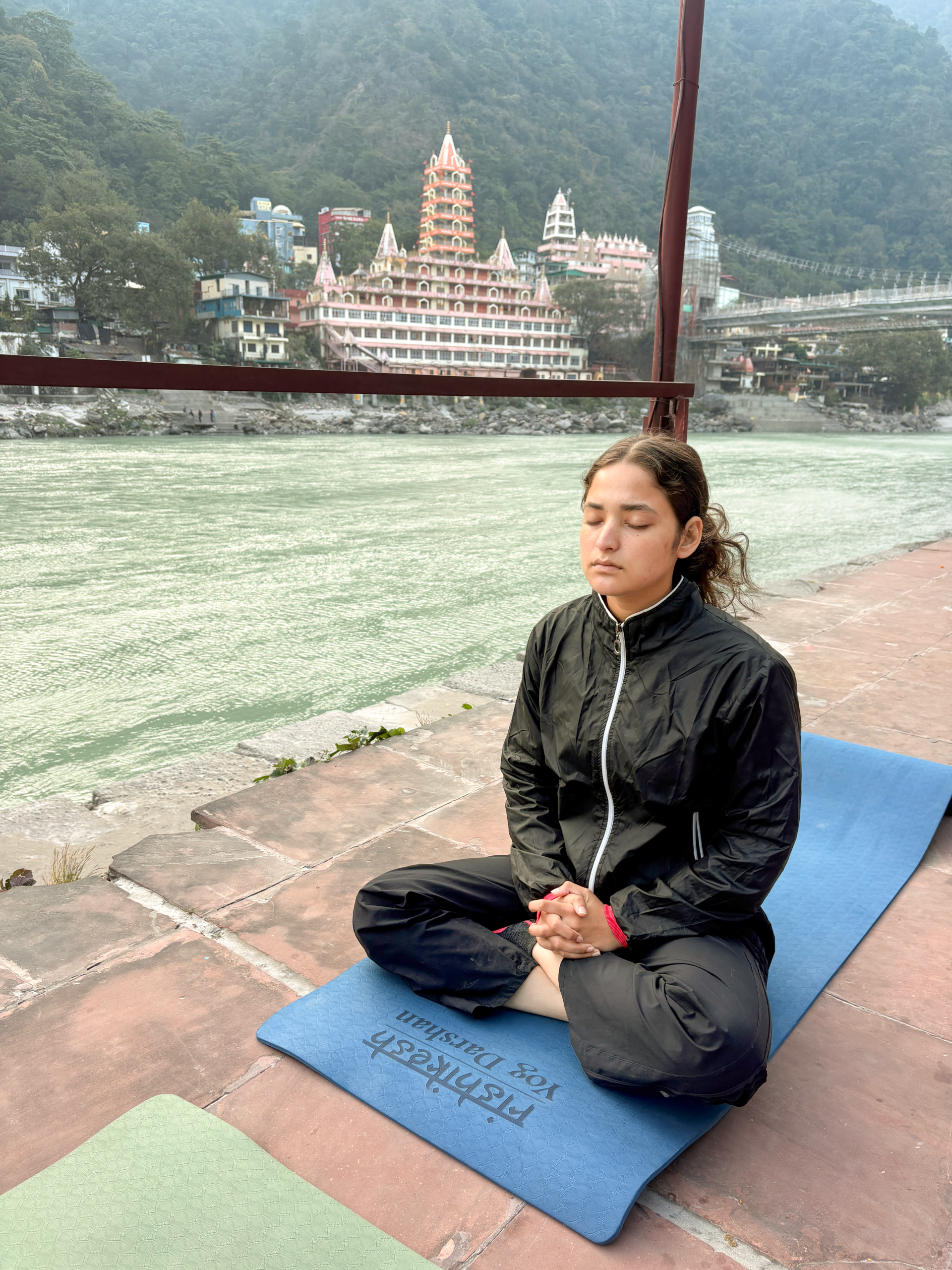
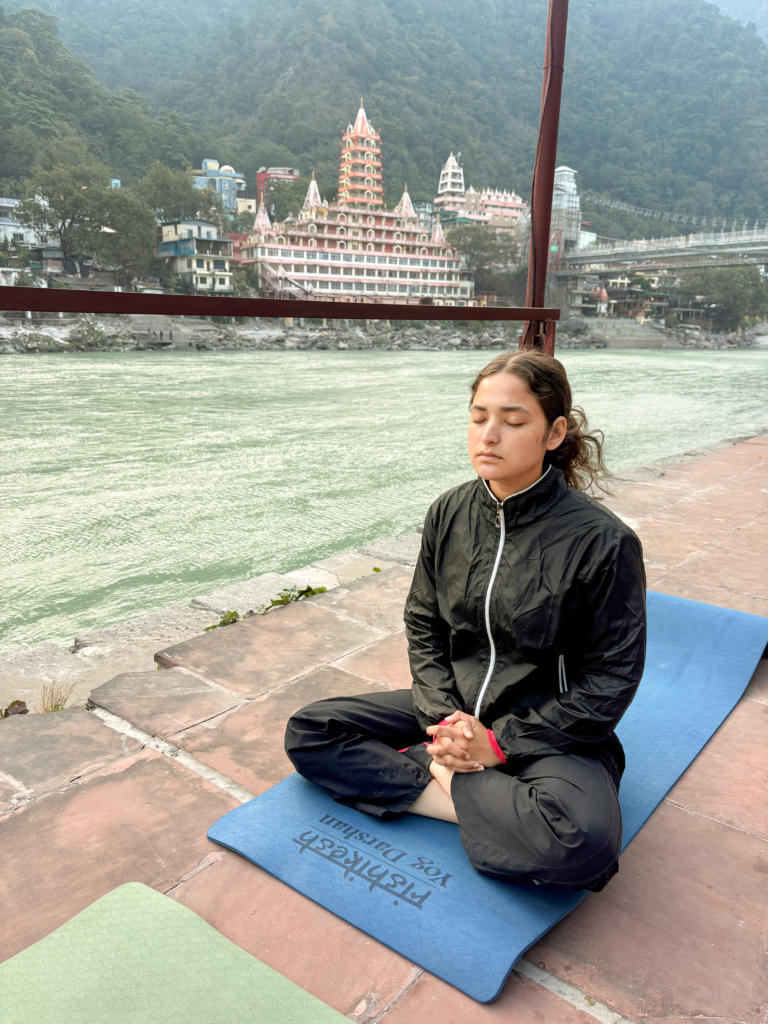
When you join a Yoga Teacher Training in Rishikesh, you’re not just signing up for physical practice, you are stepping into a complete lifestyle transformation. From the food you eat to the way you sleep, think, and live, everything is aligned with yogic principles.
For students traveling from the United States and across the globe, this shift can feel refreshing, challenging, and deeply transformative at the same time.
At Rishikesh Yog Darshan, mentors Uttam Ji and Anshika emphasize that yoga is not limited to the mat, it is a way of life. This guide will help you understand what to expect in terms of food and lifestyle during your training.
Understanding the Yogic Lifestyle
The yogic lifestyle is rooted in simplicity, discipline, and mindfulness. It is designed to purify the body and calm the mind.
Key Principles:
- Simplicity in living
- Awareness in actions
- Balance in daily routine
- Connection with nature
Students enrolling in a Yoga TTC India quickly realize that lifestyle changes are just as important as physical practice.
What is a Yogic Diet?
A yogic diet is based on sattvic food, which promotes clarity, calmness, and energy.
Characteristics of Sattvic Food:
- Fresh and natural
- Light and easy to digest
- Vegetarian
- Minimally processed
This type of diet supports your practice during programs like 200 Hours YTTC Rishikesh.
Types of Foods Served During Yoga TTC
1. Breakfast
Breakfast is light yet nourishing.
Typical options:
- Fresh fruits
- Porridge or oats
- Herbal tea
- Toast or Indian dishes like poha/upma
2. Lunch
Lunch is the main meal of the day.
Includes:
- Rice or chapati
- Dal (lentils)
- Seasonal vegetables
- Salad
3. Dinner
Dinner is lighter to support digestion.
Examples:
- Soup
- Khichdi
- Steamed vegetables
Students attending a Yoga Retreat in Rishikesh often find this diet cleansing and energizing.
Foods That Are Avoided
To maintain purity and focus, certain foods are restricted.
Avoid:
- Meat and fish
- Eggs (in many schools)
- Alcohol
- Caffeine (limited or avoided)
- Processed foods
Hydration and Herbal Drinks
Hydration plays a key role in maintaining energy.
Common Drinks:
- Warm water
- Herbal teas
- Lemon water
Avoid sugary beverages and excessive caffeine.
Lifestyle During Yoga Teacher Training
Beyond food, lifestyle changes define your experience.
1. Early to Bed, Early to Rise
Following a natural sleep cycle improves:
- Energy levels
- Mental clarity
- Emotional stability
2. Digital Detox
Most students reduce screen time significantly.
Benefits:
- Improved focus
- Reduced stress
- Better sleep
3. Mindful Living
Every action is done with awareness.
Examples:
- Eating slowly
- Practicing gratitude
- Being present
4. Clean Living Environment
Ashram-style accommodations promote:
- Simplicity
- Discipline
- Inner peace
Choosing the Best Yoga School in Rishikesh ensures a clean and supportive environment.
Role of Ayurveda in Yogic Lifestyle
Ayurveda complements yoga by focusing on balance in the body.
Key Concepts:
- Doshas (Vata, Pitta, Kapha)
- Digestive health
- Natural healing
Courses like Ayurvedic Massage Course in Rishikesh deepen your understanding of holistic wellness.
Mental and Emotional Transformation
The combination of diet and lifestyle leads to profound changes.
Benefits:
- Reduced anxiety
- Better focus
- Emotional balance
- Increased self-awareness
Programs like Yoga for Mental Health in Rishikesh highlight these benefits.
Challenges You May Face
Adjusting to a new lifestyle can be difficult initially.
Common Challenges:
- Cravings for familiar food
- Caffeine withdrawal
- Adjusting to routine
Tips to Overcome:
- Stay patient
- Trust the process
- Stay hydrated
- Focus on your goal
With guidance from Uttam Ji and Anshika, students adapt quickly.
Tips for a Smooth Transition
- Reduce caffeine before arrival
- Start eating lighter meals
- Practice mindfulness
- Keep an open mind
Long-Term Benefits of Yogic Living
Even after completing your training, these habits stay with you.
Lasting Impact:
- Healthier eating habits
- Better sleep patterns
- Improved mental clarity
- Balanced lifestyle
Final Thoughts
The food and lifestyle during yoga teacher training in Rishikesh are designed to support your transformation from the inside out. While the changes may feel intense at first, they create the perfect environment for growth, healing, and self-discovery.
Choosing a trusted school like Yoga Teacher Training in Rishikesh ensures that your journey is guided, authentic, and deeply enriching.
At Rishikesh Yog Darshan, the goal is not just to teach yoga, but to help you live it
FAQs
1. Is the food during yoga TTC vegetarian?
Yes, most schools provide vegetarian sattvic meals.
2. Can I request special dietary options?
Many schools accommodate dietary needs if informed in advance.
3. Is coffee allowed?
Usually limited or discouraged.
4. Will I feel hungry?
No, meals are balanced and sufficient.
5. Is outside food allowed?
Generally discouraged to maintain discipline.
6. What if I don’t like Indian food?
Meals are simple and mild, suitable for international students.
7. Is alcohol allowed?
No, it is strictly prohibited.
8. Will I lose weight?
Many students experience natural weight balance.
9. Is fasting required?
Not mandatory unless part of specific practices.
10. Can I continue this lifestyle after TTC?
Yes, and it is highly recommended.
