 Skip to content
Introduction: The Quiet Power of Daily Practice
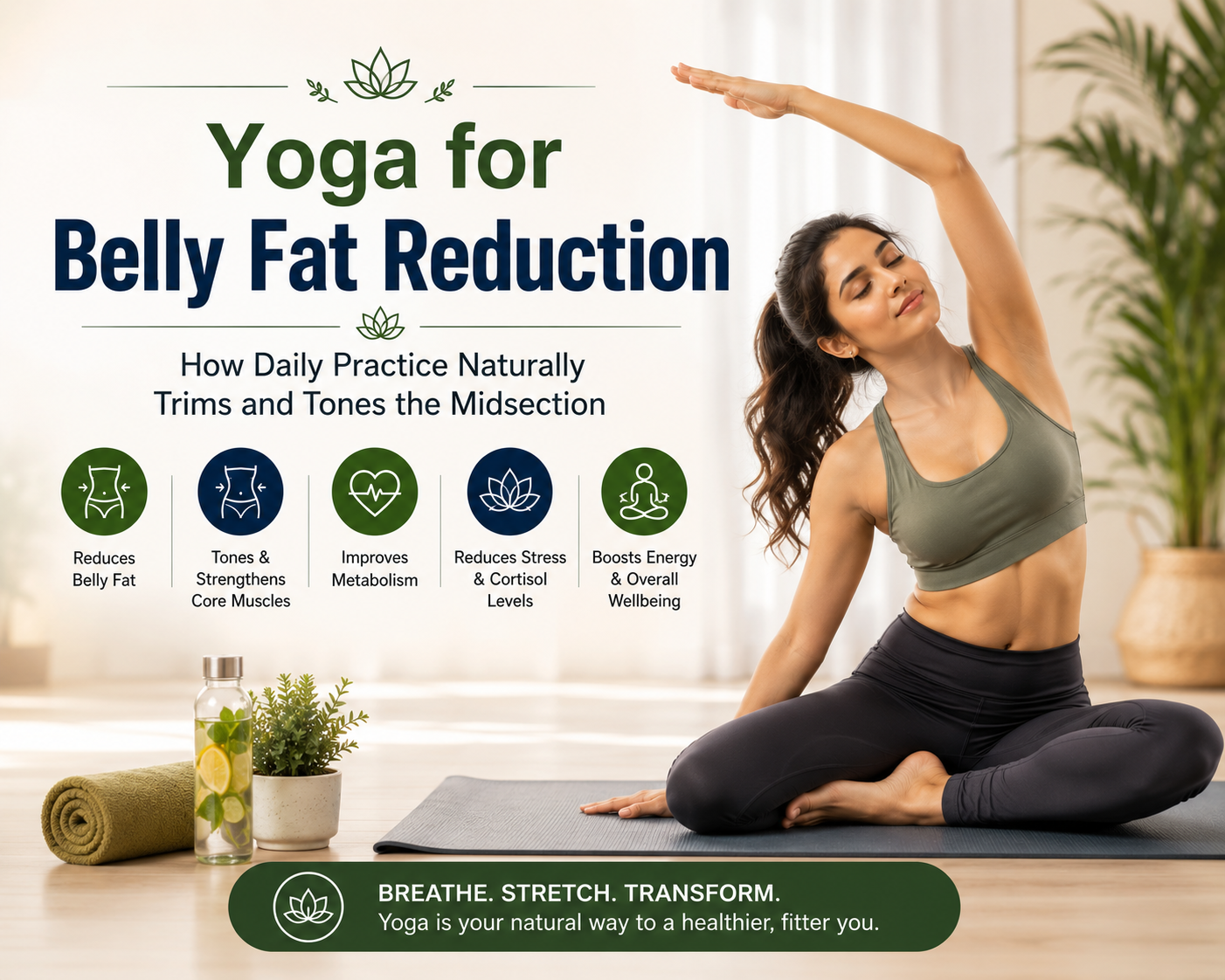
Belly fat is usually framed as a numbers game — waist measurements, crunches counted, cardio minutes logged. What often gets left out of that conversation is the nervous system itself, and how directly it influences fat storage around the midsection through stress hormones, sleep quality, and digestion. This is exactly where yoga enters the picture, not as a replacement for a balanced diet or overall activity, but as a daily practice that works on the body’s regulatory systems from the inside out.
Millions of people struggling with stubborn belly fat are turning to yoga as a sustainable way to address the problem at its root rather than chasing endless sit-ups. It isn’t about a single dramatic pose or a miracle stretch — it’s about the cumulative effect of consistent practice on cortisol, digestion, and core strength. For those who want to go deeper than a few YouTube videos, structured programs like a proper Yoga Teacher Training in Rishikesh teach the therapeutic sequencing and breathwork that make this practice genuinely effective for trimming the midsection, rather than just a general fitness routine. This article walks through why yoga helps reduce belly fat, the science and traditional reasoning behind it, and how to build a safe, sustainable daily practice.
Why Should You Practice Yoga for Belly Fat Reduction?
Abdominal fat, more than fat stored elsewhere on the body, is closely tied to chronic stress, poor sleep, sluggish digestion, and sedentary habits — all factors that yoga is uniquely positioned to address simultaneously. Unlike isolated ab workouts or crunches, yoga combines physical movement, controlled breathing, and mental stillness in a single practice, which is part of why researchers have taken growing interest in it as a complementary tool for reducing visceral fat specifically. Learning from a Best Yoga School in Rishikesh gives practitioners access to instructors who understand the difference between a general core workout and a sequence specifically designed to target abdominal fat and improve digestion. Over months of consistent practice, many people report a visibly flatter stomach and less bloating — though results vary and should always be paired with attention to diet and overall activity levels.
Key Benefits of Yoga for Belly Fat Reduction
1. It Lowers Cortisol, the Hormone Behind Stubborn Belly Fat
Cortisol, the body’s primary stress hormone, is strongly linked to fat storage specifically around the abdomen, more so than almost anywhere else on the body. Chronic stress therefore keeps belly fat stubbornly in place even when diet and exercise are otherwise on track. This is one of the most underrated reasons yoga helps with belly fat: it lowers baseline cortisol through breathwork and parasympathetic activation. A short daily session of Pranayama for Stress Relief can be one of the most effective, low-effort tools for interrupting the stress-to-fat-storage cycle.
2. It Strengthens and Tones the Core Directly
Many yoga postures require sustained engagement of the deep core muscles, not just the superficial abdominals targeted by crunches. Boat pose, plank variations, and standing balance postures all build functional core strength that supports better posture and a naturally tighter midsection over time. Styles like Ashtanga Yoga in Rishikesh India are especially known for their strength-building, core-intensive sequences, making them a popular choice for practitioners specifically focused on toning the abdominal region.
3. It Improves Digestion and Reduces Bloating
A significant portion of what people perceive as belly fat is actually bloating caused by sluggish digestion, poor gut motility, or food sensitivities. Certain postures gently massage and stimulate the digestive organs, which many yoga traditions believe supports healthier digestion and reduces trapped gas. While the direct organ-stimulation claim is more traditional than clinically proven, the broader effect of consistent movement on digestion is well documented. Twisting postures in particular are widely used to encourage the movement of food through the digestive tract, which can visibly reduce midsection puffiness within days.
4. It Boosts Metabolism Through Dynamic Movement
Regular yoga practice, particularly sequences involving sun salutations and standing flows, appears to raise heart rate enough to support calorie expenditure while also building lean muscle mass. More muscle mass means a higher resting metabolic rate, which supports fat loss around the midsection even outside of active practice. A structured Vinyasa Yoga in Rishikesh India style practice, in particular, is built around continuous movement that keeps the body working throughout the session rather than resting between poses.
5. It Curbs Stress-Driven and Emotional Eating
Cortisol doesn’t just store fat directly — it also drives cravings for high-sugar, high-fat comfort foods that tend to accumulate as visceral fat around the abdomen. A consistent yoga practice reduces this cycle by lowering baseline stress and improving body awareness, which often translates into noticing hunger and fullness cues more accurately rather than eating out of habit or anxiety.
6. It Enhances Sleep Quality
Poor sleep is directly linked to increased abdominal fat storage and higher cortisol levels the following day, creating a frustrating cycle for many people trying to trim their midsection. A calming evening practice, especially one that includes deep relaxation techniques, can meaningfully improve sleep onset and quality. Practices like Yoga Nidra in Rishikesh are specifically designed for this kind of deep nervous system reset, and are often recommended to people whose belly fat is being driven largely by chronically poor sleep.
7. It Builds Long-Term Discipline and Lifestyle Change
Reducing belly fat is a marathon, not a sprint, and the single hardest part for most people is consistency — not knowledge. The discipline built through a daily yoga practice, however short, tends to spill over into other areas: more mindful eating, more consistent movement throughout the day, and more attentiveness to how the body actually feels. This is often the most underrated benefit, since it isn’t measurable on a tape measure but shapes everything else that is.
The Right Time and Method for Belly-Fat-Focused Yoga Practice
Timing and sequencing matter more than intensity when yoga is being used specifically to target the midsection. Here’s a simple structure that works well for most practitioners:
- Best time: Early morning on an empty stomach, when the digestive tract is calm and the body is primed to use stored fat for energy
- Warm-up: Begin with sun salutations and gentle spinal warm-ups to prepare the core and digestive organs for deeper work
- Core sequence: A dynamic flow with plenty of twists, standing balances, and core-engaging holds — something closer to a 300 Hours YTTC Rishikesh India style advanced class than a purely relaxation-focused session — is generally more effective for targeting the abdominal region
- Pranayama: Close the more active portion of practice with a few minutes of energizing breathwork such as Kapalabhati, which is traditionally associated with stimulating digestion and the core muscles
- Closing rest: A few minutes of stillness at the end allows the nervous system to settle and prevents the cortisol spike that can come from ending a workout too abruptly
None of this requires advanced flexibility or an hour of free time — twenty to thirty minutes of focused, dynamic practice is more valuable than an hour of distracted, low-effort movement.
Best Yoga Poses for Belly Fat Reduction
Certain postures are consistently recommended across dynamic yoga traditions for targeting abdominal fat and strengthening the core:
- Boat pose (Navasana), for deep core engagement and abdominal strength
- Spinal twists (Ardha Matsyendrasana), which stimulate digestion and abdominal circulation
- Plank and side plank variations, for total core toning
- Bow pose (Dhanurasana), which stretches and engages the entire front of the body
- Bicycle-style core flows and leg raises within a vinyasa sequence, for direct abdominal strengthening
For anyone with existing joint sensitivity or limited mobility, a more alignment-focused approach such as Iyengar Yoga in Rishikesh India can make these postures accessible through props and modifications, allowing core strength to build gradually and safely.
Common Mistakes to Avoid
Even well-intentioned practitioners tend to run into a few recurring issues:
- Relying only on crunches instead of full-body, metabolism-boosting sequences
- Practicing on a full stomach, which limits the effectiveness of twisting and core postures
- Expecting yoga alone to spot-reduce belly fat without any attention to overall diet
- Practicing inconsistently, expecting results from occasional sessions rather than daily repetition
- Ignoring the connection between chronic stress and stubborn belly fat
Correcting even a couple of these habits tends to make a noticeable difference within a few weeks of consistent practice.
Pairing Yoga with Ayurveda and Lifestyle Changes for Amplified Results
Yoga rarely works in isolation in traditional Indian wellness systems — it’s usually paired with Ayurvedic principles around diet, digestion, and daily routine. Understanding how food timing, sleep cycles, and even self-massage practices influence digestion and metabolism can meaningfully extend the benefits of a yoga practice. A structured Ayurvedic Massage Course in Rishikesh India can be a useful next step for anyone wanting to understand the broader lifestyle framework that traditionally accompanies yoga for reducing stubborn belly fat, rather than treating movement and diet as separate concerns.
Choosing the Right Program for Yoga-Based Belly Fat Reduction
Not every yoga class is designed with belly fat reduction in mind, and this distinction matters more than most beginners realize. A general relaxation-focused class may offer stress relief but rarely includes the dynamic sequencing and core-focused elements that make a meaningful difference for the midsection. Enrolling in a recognized Yoga TTC India program gives practitioners a far deeper understanding of sequencing for physical results than a typical drop-in class, which is particularly valuable for anyone treating belly fat reduction as a long-term lifestyle change rather than a short-term fix. If stress is a major driver of your midsection weight, it can also help to read about Yoga for Burnout Recovery, since chronic exhaustion and stubborn belly fat frequently go hand in hand.
Frequently Asked Questions
1. Can yoga alone get rid of belly fat?
Yoga can meaningfully reduce belly fat by lowering cortisol, strengthening the core, and improving digestion, but sustainable results typically depend on pairing a dynamic practice with mindful eating and an overall active lifestyle rather than relying on yoga in isolation.
2. Which style of yoga is best for belly fat reduction?
Dynamic styles such as Vinyasa and Ashtanga, along with core-focused sequences involving twists and boat pose variations, tend to be more effective for targeting the midsection than slower, purely restorative styles.
3. How soon can someone expect to see results from yoga for belly fat?
Most practitioners notice reduced bloating and improved digestion within a couple of weeks, while visible changes in abdominal fat typically take a few months of consistent practice combined with attention to diet and stress levels.
4. What is the best time of day to practice yoga for belly fat?
Early morning on an empty stomach tends to work best for dynamic, core-focused sequences, since the digestive tract is calm and the body can draw on stored energy reserves for a more effective session.
5. Do beginners need to attend a specialized program, or can they start alone?
Beginners can start with simple twists, boat pose, and sun salutations at home, but anyone serious about using yoga specifically for belly fat reduction benefits significantly from proper instruction, since incorrect form or overly gentle sequencing can slow progress considerably.
Final Thoughts: A Small Daily Habit with Lasting Physical Impact
Yoga for belly fat reduction isn’t about chasing a single perfect pose or an intense hour-long session — it’s about showing up consistently for a practice that lowers cortisol, strengthens the core, and builds the kind of daily discipline that ripples into every other health decision. Over weeks and months, this steady habit can meaningfully support a leaner midsection alongside mindful eating, quality sleep, and regular movement. It’s worth noting that many of the same mechanisms overlap with related concerns, such as those explored in Yoga for Diabetes Management, since visceral fat, stress, and metabolic health are all deeply interconnected.
If you’re ready to explore this practice more seriously, whether as a personal habit or a path toward teaching others, consider joining a dedicated Yoga Retreat in Rishikesh to experience structured, results-driven yoga in an environment built specifically for deep, sustained practice.
