 Skip to content
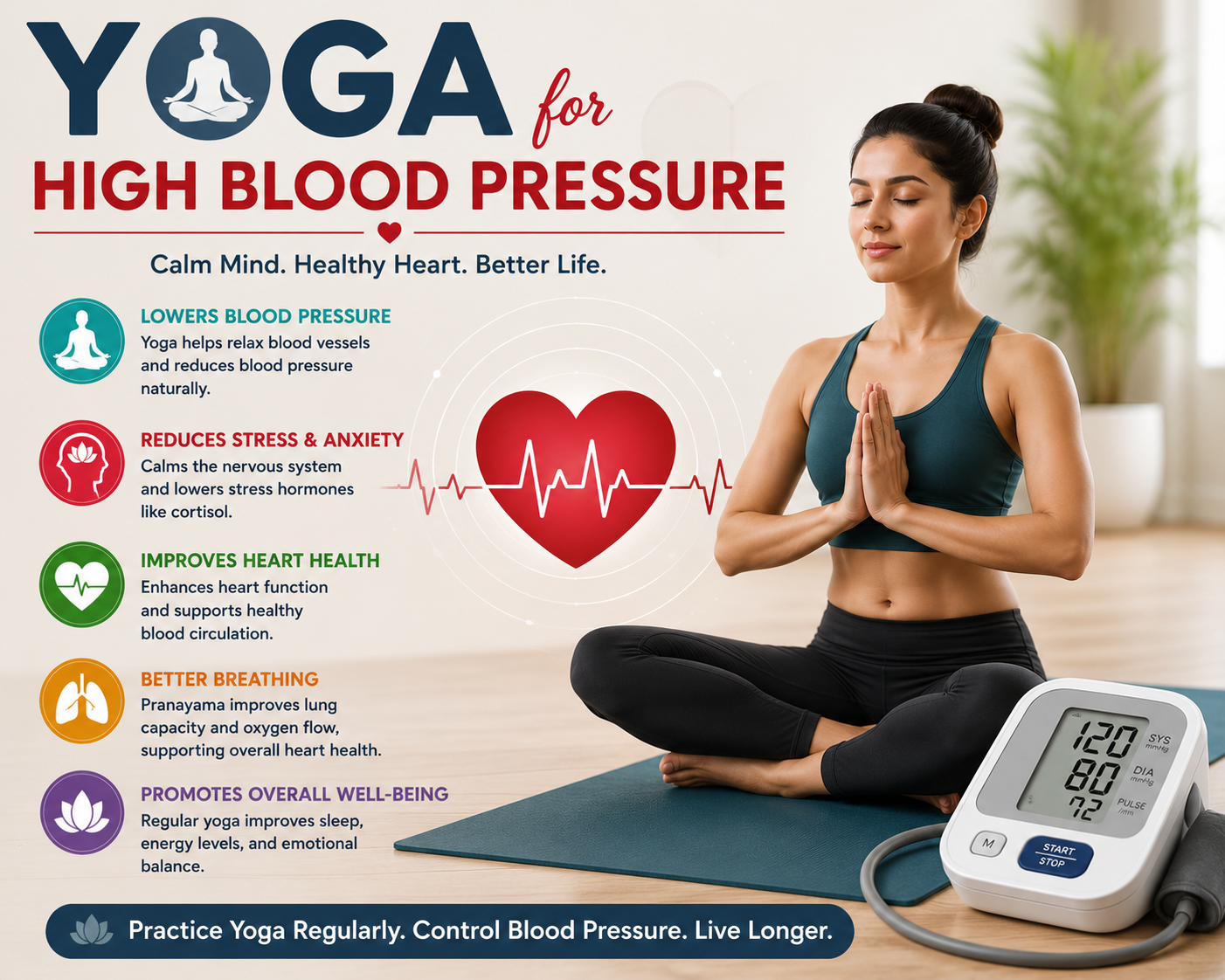
High blood pressure, or hypertension, is often called a silent condition because it can develop for years without any noticeable symptoms while quietly increasing the risk of heart disease, stroke, and kidney damage. Medication remains the primary treatment for most people diagnosed with hypertension, but a growing body of research suggests that lifestyle practices, particularly yoga, can play a genuinely useful supportive role alongside medical care rather than as a replacement for it.
This article looks at why yoga is increasingly recommended by cardiologists and wellness practitioners alike for blood pressure support, which specific practices tend to help the most, which ones to approach with caution, and how to build a sustainable routine around them. For readers interested in exploring this connection between breath, movement, and cardiovascular health more deeply, a structured Yoga Teacher Training in Rishikesh often includes exactly this kind of therapeutic, health-focused instruction alongside the more traditional aspects of the practice.
Understanding High Blood Pressure: A Quick Overview
Blood pressure is measured as two numbers: systolic pressure, the force exerted when the heart beats, and diastolic pressure, the force when the heart rests between beats. A reading is generally considered elevated once it consistently reaches 130/80 mmHg or higher, with stage 2 hypertension typically defined as 140/90 mmHg or above, though exact thresholds can vary slightly between health authorities.
Common contributing factors include chronic stress, poor sleep, excess sodium intake, sedentary habits, obesity, and genetic predisposition. Because stress and an overactive sympathetic nervous system, the body’s fight-or-flight response, play such a significant role in many cases, practices that specifically calm this system have drawn serious research interest as complementary tools for blood pressure management.
How Yoga Helps Manage Blood Pressure
Several clinical studies have found that regular yoga practice, particularly when it combines gentle movement, breathwork, and relaxation, is associated with modest but meaningful reductions in both systolic and diastolic blood pressure. The proposed mechanisms include improved vagal tone, reduced circulating cortisol, better baroreflex sensitivity, and a general shift from sympathetic dominance toward parasympathetic, or rest-and-digest, nervous system activity.
It’s worth being clear that yoga is not a substitute for prescribed medication, and no reputable study suggests it should replace treatment for diagnosed hypertension. What the evidence does support is yoga functioning as a valuable complementary practice, one that can improve overall cardiovascular risk factors, reduce stress-related spikes, and support better long-term adherence to other lifestyle changes like diet and sleep.
The Best Yoga Practices for High Blood Pressure
Not all yoga is equally appropriate for someone managing hypertension. The most beneficial practices tend to be slow, breath-centered, and calming rather than fast-paced or intensely physical.
Pranayama: The Most Directly Relevant Tool
Slow, extended-exhale breathing practices are among the most consistently studied yoga interventions for blood pressure, since lengthening the exhale directly stimulates the vagus nerve and encourages a parasympathetic response. Pranayama for Stress Relief covers several of these techniques in more depth, including practices like Nadi Shodhana and Bhramari, both of which are commonly recommended in cardiac rehabilitation settings for exactly this reason.
Restorative Yoga and Yoga Nidra
Deep relaxation practices allow the nervous system to shift out of chronic low-grade stress, which is one of the more overlooked contributors to persistently elevated blood pressure. Guided practices modeled on Yoga Nidra in Rishikesh are frequently used in therapeutic yoga settings specifically for this purpose, since the induced state of deep rest appears to lower stress hormone levels more effectively than passive rest alone.
Gentle, Alignment-Focused Asana
Slow-paced, precisely aligned styles tend to suit hypertension far better than fast-flowing or highly athletic sequences. Iyengar Yoga in Rishikesh India is frequently recommended in this context, since its use of props and supported postures allows practitioners to hold gentle poses for longer without unnecessary strain, building strength and flexibility without spiking heart rate or blood pressure in the process.
Poses and Practices to Approach with Caution
Certain yoga practices can temporarily raise blood pressure or increase strain on the cardiovascular system, and people with hypertension, particularly if it is poorly controlled, should approach these carefully or avoid them entirely without a doctor’s clearance.
- Inversions such as headstand and shoulder stand, which increase pressure in the upper body and head.
- Deep backbends like full wheel pose, which can place sudden strain on the heart and blood vessels.
- Breath-retention practices (kumbhaka) held for extended periods, which can spike pressure if performed incorrectly.
- Fast-paced, vigorous Vinyasa or power yoga sequences performed without adequate warm-up or rest breaks.
- Any pose that causes straining, breath-holding, or visible facial tension, all signs the nervous system is shifting into a stress response rather than a calming one.
A general guiding principle is that if a practice leaves you feeling energized in a jittery, wired way rather than calm and grounded, it is probably not the right choice for blood pressure management, regardless of how popular or physically impressive it looks.
Yoga, Stress, and the Mind-Body Connection in Hypertension
Because chronic stress and anxiety are such significant contributors to sustained high blood pressure, addressing the emotional and psychological side of the condition is just as important as the physical practice itself. Many people with hypertension also describe a persistent sense of being on edge or unable to fully relax, even outside of obviously stressful situations.
Structured approaches such as Yoga for Emotional Balance can offer a more targeted framework for this than generic relaxation advice, since learning to regulate emotional reactivity has a measurable downstream effect on how often the nervous system triggers the blood pressure spikes associated with acute stress.
For those whose hypertension has developed alongside prolonged work stress or exhaustion, addressing the underlying burnout directly is often just as important as any specific pose or breathing technique. Guidance on Yoga for Burnout Recovery is a useful starting point here, since chronic overwork and poor recovery are increasingly recognized as significant, modifiable risk factors for sustained high blood pressure.
Blood Pressure and Related Metabolic Conditions
Hypertension rarely occurs in isolation. It frequently overlaps with insulin resistance, elevated cholesterol, and type 2 diabetes, a cluster of conditions sometimes grouped together as metabolic syndrome. Because several of the same lifestyle interventions benefit all of these conditions simultaneously, addressing them together tends to be more effective than treating each in isolation.
Readers managing both blood sugar and blood pressure concerns may find it useful to review Yoga for Diabetes Management alongside the practices described here, since many of the same gentle, breath-centered sequences support healthy blood sugar regulation and healthy blood pressure through overlapping nervous-system pathways.
Building a Sustainable Daily Yoga Routine for Blood Pressure Support
Consistency matters far more than intensity when it comes to yoga and blood pressure, since the nervous-system benefits tend to build gradually with regular practice rather than appearing after a single session. A simple, sustainable structure might look like this:
- Morning: five to ten minutes of slow, extended-exhale pranayama before the day’s first stressors set in.
- Midday: a short seated breathing break during a stressful workday, rather than waiting for symptoms to build.
- Evening: twenty to thirty minutes of gentle, alignment-focused asana at a slow pace, avoiding vigorous sequences close to bedtime.
- Before sleep: a guided restorative or Yoga Nidra practice to support both blood pressure and overall sleep quality, since poor sleep is itself a known driver of elevated readings.
This kind of steady, unhurried rhythm mirrors what many students experience for the first time during an immersive program. The Daily Routine During Yoga Teacher Training in Rishikesh follows a similarly paced structure of gentle morning practice, breathwork, and unhurried rest, which is part of why so many participants report calmer, more stable vitals by the end of a training rather than simply improved flexibility.
Safety Guidelines and When to See a Doctor
Anyone with diagnosed hypertension, especially if blood pressure is poorly controlled or stage 2, should consult a physician before beginning or significantly changing a yoga practice. This is particularly important for people on blood pressure medication, since certain positions and breathing techniques can interact with how the body regulates pressure in the short term.
Warning signs that a yoga practice needs to be adjusted or paused include dizziness, blurred vision, chest discomfort, unusual shortness of breath, or a pounding headache during or after practice. These symptoms warrant prompt medical attention rather than being pushed through, regardless of how mild they may initially seem.
Deepening the Practice Through Formal Yoga Training
For those who find that yoga meaningfully supports their blood pressure management, moving beyond scattered online routines toward structured, guided study is often the most effective next step. A Yoga TTC India program gives students direct access to experienced teachers who can tailor breathing and asana recommendations to individual health considerations, rather than relying on generic, one-size-fits-all advice.
Rishikesh has long been recognized as a center for this kind of therapeutically minded instruction, and training at the Best Yoga School in Rishikesh gives students the chance to study pranayama, restorative practice, and traditional philosophy together as a single, coherent system, precisely the combination that tends to produce the calmest, most stable results for cardiovascular health.
Frequently Asked Questions (FAQs)
1. Can yoga actually lower blood pressure?
Research suggests regular yoga practice, particularly breath-centered and restorative styles, is associated with modest reductions in blood pressure over time. It works best as a complement to medical treatment rather than a replacement for it.
2. What type of yoga is best for hypertension?
Slow, gentle, alignment-focused styles combined with pranayama and restorative relaxation tend to offer the most consistent benefit, while fast-paced or highly intense styles are generally better avoided.
3. Are there yoga poses that should be avoided with high blood pressure?
Yes. Inversions, deep backbends, and prolonged breath retention can all temporarily raise blood pressure and should be approached only with a doctor’s guidance, if at all.
4. How soon can someone expect results from yoga for blood pressure?
Most studies showing measurable benefit involve consistent practice over several weeks to a few months rather than immediate results, reinforcing that regularity matters more than any single session.
5. Note for Readers
This article is intended for general informational purposes only and does not constitute medical advice. High blood pressure is a serious medical condition, and readers should consult a qualified healthcare professional before making changes to medication, diet, or exercise routines, particularly before starting any new yoga practice.
Final Thoughts: A Calmer Nervous System, A Calmer Reading
Managing high blood pressure is rarely about any single fix, and yoga is not a cure, but the evidence for its role in supporting a calmer, better-regulated nervous system is genuinely encouraging. Slow breathing, gentle movement, and consistent relaxation practices address several of the same underlying pathways that medication targets, making yoga one of the more well-supported lifestyle additions available to people managing this condition. For those wanting to explore this in a deeper, fully guided setting, spending time at a dedicated Yoga Retreat in Rishikesh offers a chance to build these practices properly, under expert supervision, in an environment designed entirely around rest, breath, and recovery.
