 Skip to content
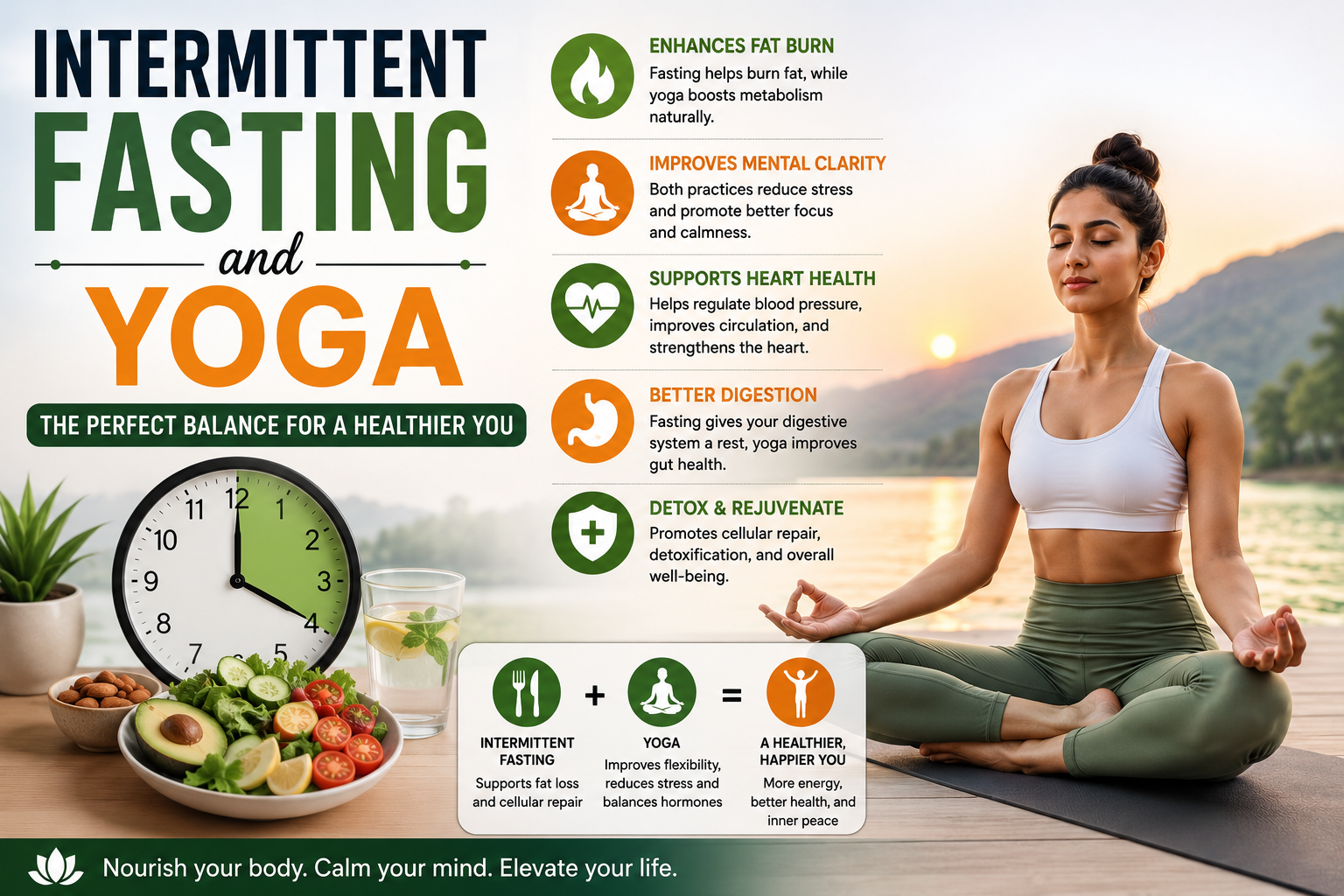
Intermittent fasting has become one of the most talked-about approaches to eating in recent years, promoted for everything from weight management to metabolic health. What often gets left out of the conversation, though, is how naturally fasting sits alongside yogic philosophy, which has treated periods of deliberate abstinence from food as a tool for mental clarity and physical lightness for thousands of years. Long before intermittent fasting became a wellness buzzword, yogic and Ayurvedic traditions were already describing structured eating windows, seasonal fasting, and mindful hunger awareness as part of a balanced lifestyle.
This article looks at how intermittent fasting and yoga complement each other, what the science and traditional wisdom each have to say about combining the two, and how a well-designed daily routine can help you get the benefits of both without burning out. For readers who want to explore these ideas more deeply through guided practice, a Yoga Teacher Training in Rishikesh often introduces students to exactly this kind of integrated approach to eating, movement, and breathwork.
What Is Intermittent Fasting? A Quick Primer
Intermittent fasting (IF) is not a diet in the traditional sense, since it does not dictate what to eat but rather when to eat. The most common patterns include the 16:8 method, where eating is restricted to an eight-hour window each day, the 5:2 approach, which involves calorie restriction on two non-consecutive days a week, and alternate-day fasting, which alternates between normal eating and significantly reduced intake.
Proponents point to potential benefits such as improved insulin sensitivity, better metabolic flexibility, and the activation of autophagy, the cellular process where the body clears out damaged components during extended periods without food. These mechanisms are still being studied, and results vary considerably from person to person, but the underlying idea of giving the digestive system planned periods of rest is one that yogic tradition has quietly practiced for centuries through observances like Ekadashi fasting.
Why Yoga and Intermittent Fasting Work So Well Together
Fasting windows can bring on hunger pangs, low energy, and occasional irritability, especially in the first few weeks of adjusting to a new eating pattern. This is where yoga offers something IF alone cannot: a way to regulate the nervous system so that hunger signals feel manageable rather than overwhelming. A steady yoga practice trains the body to respond to discomfort with breath and awareness instead of stress, which is exactly the skill needed to sit through a fasting window without reaching for a snack out of anxiety rather than genuine hunger.
There is also a shared philosophical thread. Yoga has always framed the body as an instrument to be cared for deliberately rather than indulged automatically, and intermittent fasting asks for that same intentionality around eating. Practicing asana and pranayama on an empty stomach, when the mind tends to be sharper, is traditionally considered ideal, which is part of why so many yoga schools schedule their strongest sessions before the first meal of the day.
The Ayurvedic View: Agni and the Digestive Fire
Ayurveda, the sister science of yoga, centers much of its dietary guidance around agni, or digestive fire. A strong, well-regulated agni is considered essential for turning food into usable energy rather than accumulated toxins, known as ama. Constant grazing throughout the day, according to this framework, keeps agni working continuously and never lets it fully reset, which over time is believed to weaken digestion.
Intermittent fasting, seen through this Ayurvedic lens, gives agni scheduled recovery periods, similar to how rest days allow a muscle to repair after exercise. This is also why many traditional teachers recommend breaking a fast gently, with warm, easily digestible food, rather than a heavy meal that immediately overloads a digestive system that has just had a period of rest.
Best Yoga Practices to Support an Intermittent Fasting Lifestyle
Not every style of yoga suits every stage of a fasting window. Matching the practice to how much energy is actually available tends to produce a far more sustainable routine than forcing a vigorous class on an empty stomach out of habit.
Pranayama During the Fasting Window
Breathing practices such as Nadi Shodhana (alternate nostril breathing) and Bhramari are particularly useful during fasting hours because they calm the nervous system without requiring physical exertion. Pranayama for Stress Relief is a common recommendation for exactly this reason, since the cortisol spikes that come with hunger and stress can otherwise undermine the very metabolic benefits intermittent fasting is meant to provide.
Restorative Yoga and Yoga Nidra for Cravings
In the early stages of adopting IF, cravings are often more mental than physical. Gentle, restorative sequences and guided relaxation help redirect attention away from the clock and the fridge. Many practitioners specifically turn to Yoga Nidra in Rishikesh-style practices during difficult fasting stretches, since the deep relaxation state it induces tends to quiet the kind of restless, snack-seeking energy that strict willpower alone struggles to manage.
Dynamic Practice Closer to Meal Time
More energetic sequences, such as Vinyasa Yoga in Rishikesh India, are generally better suited to the later part of a fasting window, once the body has adapted and blood sugar has stabilized, or scheduled shortly before the eating window opens so that the first post-fast meal doubles as effective recovery fuel.
How Yoga Helps Manage Common Intermittent Fasting Challenges
Most people who abandon intermittent fasting do so not because the method fails biologically, but because the accompanying irritability, fatigue, or mood swings feel unmanageable. This is precisely where a consistent yoga practice tends to make the biggest practical difference.
- Low energy in the afternoon: gentle backbends and seated twists can offset the sluggishness that sometimes accompanies an extended fasting window.
- Irritability and mood dips: slow, extended exhalations activate the parasympathetic nervous system, easing the edge that low blood sugar can bring.
- Difficulty concentrating: short pranayama breaks between tasks help maintain mental clarity without needing to reach for food.
- Sleep disruption from adjusting meal timing: a wind-down practice in the evening supports the circadian rhythm that fasting schedules are also trying to reinforce.
For those experiencing more persistent low moods or a sense of emotional flatness while adjusting to a new eating pattern, structured practices built around Yoga for Emotional Balance can offer a more targeted framework than general advice alone, since emotional steadiness plays a much larger role in fasting adherence than most people initially expect.
When exhaustion becomes the dominant symptom rather than an occasional dip, it is worth pausing the fasting schedule and addressing recovery directly. Guidance on Yoga for Burnout Recovery is a useful reference point here, since pushing an already depleted nervous system through a strict eating schedule tends to backfire rather than build resilience.
Intermittent Fasting, Yoga, and Blood Sugar Balance
One of the most cited benefits of intermittent fasting is improved insulin sensitivity, and yoga has a growing body of research behind it for supporting healthy blood sugar regulation as well. The combination is often discussed together specifically because both approaches work on overlapping metabolic pathways rather than competing ones.
For readers managing blood sugar concerns more seriously, including those with diagnosed insulin resistance, the practices outlined in Yoga for Diabetes Management are worth reviewing before adopting a fasting schedule, since certain postures and sequencing choices can meaningfully support the same goals that intermittent fasting is aiming for, provided both are introduced gradually and under appropriate guidance.
A Sample Daily Routine Combining Yoga and Intermittent Fasting
There is no single correct schedule, but a common and sustainable structure for a 16:8 fasting window looks roughly like this:
- Early morning: wake, hydrate, and begin with pranayama followed by a gentle asana sequence while still fasted.
- Mid-morning: a more dynamic practice such as Vinyasa or Ashtanga for those with the energy reserves for it.
- Midday: break the fast with a balanced, easily digestible first meal, ideally eaten slowly and without distraction.
- Afternoon: normal activity, with a short seated pranayama break if energy dips.
- Evening: a light second meal followed by restorative or Yin-style stretching to wind down before the fasting window reopens.
This kind of structure mirrors what many students first encounter formally during immersive training. The Daily Routine During Yoga Teacher Training in Rishikesh follows a very similar rhythm of fasted morning practice followed by mindful, unhurried meals, which is part of why so many people who complete a training program find it far easier to maintain an intermittent fasting routine afterward than they did on their own.
Choosing the Right Style of Yoga for Your Fasting Goals
Not every yoga style serves the same purpose within a fasting lifestyle. Vigorous, heat-building practices are well suited to people already metabolically adapted to fasting and looking to build strength and stamina. Slower, alignment-focused practices suit beginners still adjusting to eating windows, since they build body awareness without adding extra physiological stress on top of the fasting itself. Those exploring Ashtanga Yoga in Rishikesh India often find the practice becomes easier to sustain once fasting has been in place for a few weeks, showing how the two approaches reinforce each other with a bit of patience.
When to Be Cautious About Combining Yoga and Fasting
Neither intermittent fasting nor an intensive yoga practice is automatically appropriate for everyone. People who are pregnant, managing an eating disorder history, dealing with adrenal fatigue, or living with certain chronic conditions should approach both, together or separately, only with guidance from a qualified healthcare provider. Warning signs that a combination needs adjusting include persistent dizziness during practice, disrupted menstrual cycles, ongoing sleep disturbance, or a preoccupation with food that feels more anxious than mindful. A useful general rule is to treat fasting schedules and yoga intensity as variables adjusted one at a time rather than maximized simultaneously, since increasing both at once is a common cause of burnout.
Deepening the Practice: Why Many Turn to Formal Yoga Training
For people who find that yoga meaningfully improves their relationship with fasting and mindful eating, the natural next step is often deeper, more structured study rather than piecing together information from scattered sources. Enrolling in a Yoga TTC India program provides direct access to teachers who can adjust pranayama and asana recommendations to an individual’s specific fasting goals, rather than relying on generic online guidance.
Rishikesh, in particular, has built a reputation as a hub for this kind of integrated study, and choosing the Best Yoga School in Rishikesh for a training program gives students an environment where fasted morning practice, seasonal Ayurvedic eating, and traditional philosophy are taught together as a single coherent system, exactly the combination this article has been describing throughout.
Frequently Asked Questions (FAQs)
1. Can I practice yoga while fasting?
Yes, and many traditional schools recommend it. Gentle to moderate practice on an empty stomach is generally well tolerated, though very intense sequences may be better scheduled closer to the end of a fasting window.
2. Does yoga break a fast?
Yoga itself does not involve consuming calories, so a typical asana or pranayama session does not break a fast in the way most intermittent fasting protocols define it.
3. What is the best time to do yoga during intermittent fasting?
Many practitioners prefer practicing in the morning while still fasted, since the body tends to feel lighter and the mind clearer before the first meal of the day.
4. Can beginners combine yoga and intermittent fasting safely?
Generally yes, provided both are introduced gradually. Starting with a shorter fasting window and a gentler yoga style, then increasing intensity slowly, tends to produce far better long-term adherence than an aggressive start.
5. Note for Readers
This article is intended for general informational purposes only and does not constitute medical or nutritional advice. Intermittent fasting and intensive yoga practice may not be suitable for everyone, and readers with existing health conditions, or who are pregnant or nursing, should consult a qualified healthcare professional before making significant changes to their eating or exercise routine.
Final Thoughts: Two Ancient Ideas Meeting Modern Wellness
Intermittent fasting may be marketed as a modern discovery, but its underlying logic, giving the body structured rest from constant digestion, has been part of yogic and Ayurvedic life for centuries. Yoga does not just complement a fasting schedule; it provides the nervous-system regulation and body awareness that make fasting sustainable rather than something to white-knuckle through. For anyone looking to explore this combination in a deeper, guided setting, spending time at a dedicated Yoga Retreat in Rishikesh remains one of the most effective ways to experience how naturally mindful eating and mindful movement were always meant to work together.
