 Skip to content
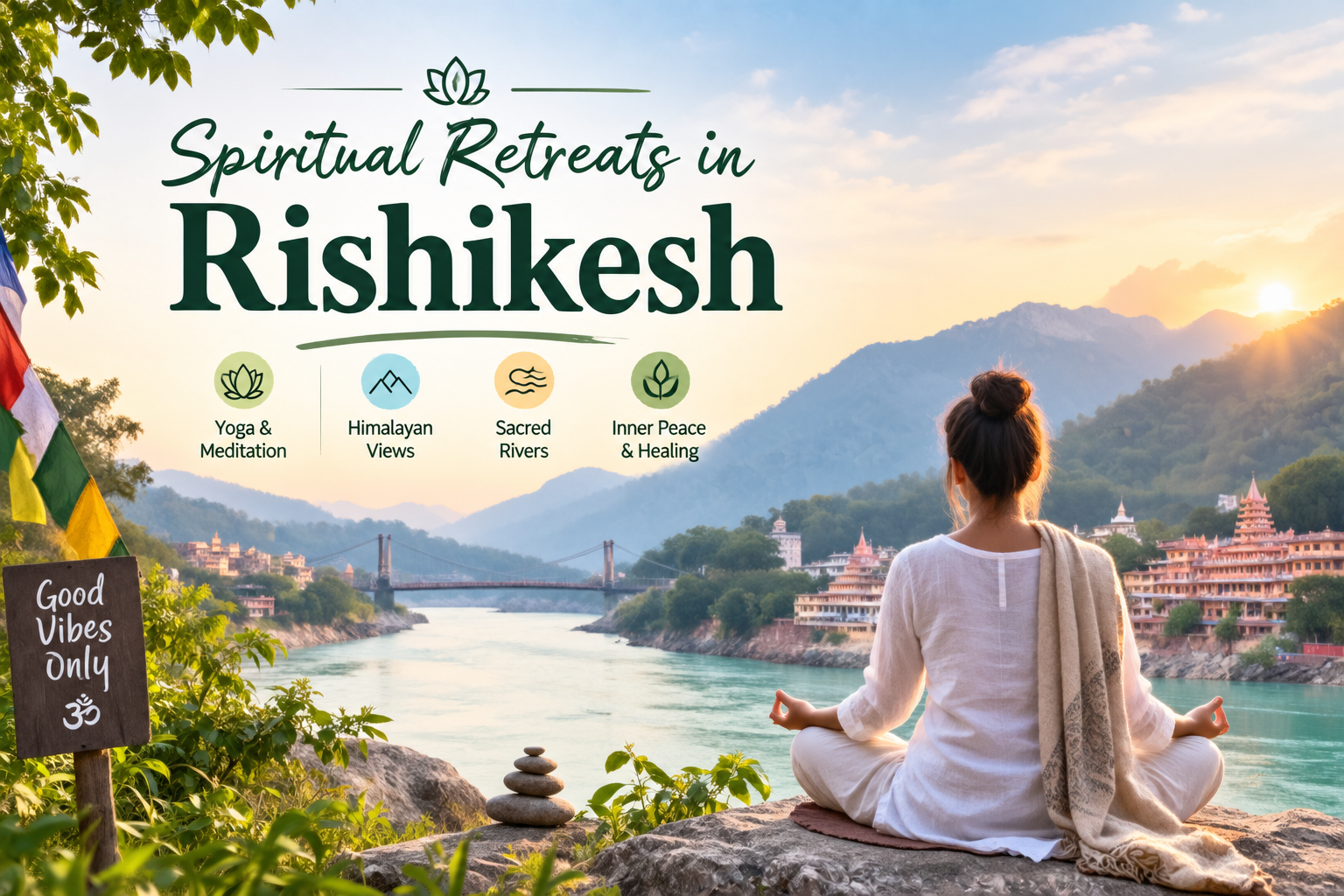
A practical, honest guide for travellers from Scandinavia, the Baltics, the UK and northern Germany who want daylight, stillness and structured practice during the darkest months of the year.
From November to February, daylight in Northern Europe shrinks to a few hours. Around the winter solstice, Stockholm receives roughly six hours of daylight, and parts of northern Norway and Finland see the sun barely rise at all. Many people feel low on energy, sleep poorly and long for light. A growing number of them look south and east for a reset, and Rishikesh, in the Himalayan foothills of northern India, is one of the most common destinations.
This guide explains what a winter spiritual retreat in Rishikesh actually involves, what the weather is really like, how to choose a programme responsibly and how to plan the journey from Europe. It is written for first-time visitors, yoga students and anyone curious about a slower, more reflective kind of winter holiday. Visa rules, prices and local conditions change, so confirm them with official sources and your chosen school before booking. This information was last reviewed in September 2026.
One note on expectations: a retreat is not a medical treatment. Sunlight, rest and a steady practice can support wellbeing, but anyone dealing with persistent low mood, seasonal depression or another health condition should speak with a doctor before travelling and continue any prescribed care.
1. Why Northern Europeans Look to Rishikesh in Winter
Rishikesh sits at roughly 350 metres above sea level, where the Ganges leaves the Himalayas and enters the plains. Its reputation as a centre for yoga and meditation is explored in Why Rishikesh is Called the Yoga Capital of the World, and that history is the reason so many schools, ashrams and experienced teachers are concentrated here.
For a winter visitor, the appeal is practical as well as spiritual. Days are bright and mild, the community around you is focused on practice, and a daily routine of movement, breathing and quiet replaces the commute and the screen. Many travellers say the structure matters as much as the scenery.
Short winter days can affect sleep, appetite and motivation, which is why light, routine and time outdoors feature so often in advice about the season. A retreat combines all three: early rising, daylight practice, simple meals and a predictable schedule. That combination is part of why the stay can feel restorative, even though it is not a cure for anything.
2. What Winter Is Really Like in Rishikesh
From December to February, daytime temperatures are typically mild to warm, often somewhere between 18 and 24 degrees Celsius, with plenty of sunshine. Nights and early mornings are cold, commonly around 5 to 10 degrees, and morning fog is frequent. Many guesthouses and yoga halls are not centrally heated, so warm layers matter for dawn sessions.
Conditions vary from year to year, and air quality across northern India can be poor in winter, particularly around Delhi. Check forecasts and air quality readings before you travel, and ask your school about heating, hot water and blankets.
3. Types of Spiritual Retreats Available
Retreats range from three-day introductions to month-long immersions. Most combine daily asana, breathwork (pranayama), meditation, philosophy classes and simple vegetarian meals. Some add chanting, silent days, Yoga Nidra or guided nature walks. Shorter stays suit first-timers, while longer ones give the practice time to settle.
Some programmes also include traditional diet, daily routines and bodywork drawn from Ayurveda. If that interests you, this guide to an Ayurveda and Yoga Retreat in India explains how the two traditions are combined. Ayurvedic consultations should be given by a qualified practitioner, and they complement, rather than replace, regular medical care.
4. What a Typical Retreat Day Looks Like
Days usually begin around 5:30 or 6:00 am with cleansing practices or pranayama, followed by a morning asana class and a vegetarian breakfast. Late morning often brings philosophy or anatomy lectures, and afternoons are kept for rest, self-study or free time. A second practice, meditation or kirtan fills the evening, and lights go out early, often by 9:30 pm.
Rishikesh is a largely vegetarian and alcohol-free holy town, which supports the simple rhythm. If you have allergies or dietary needs, tell the school well before arrival.
5. The Practices You Will Meet
Expect a mix of physical and contemplative methods. Asana builds strength and flexibility, pranayama works with the breath, and meditation trains steady attention. Yoga Nidra, a guided lying-down practice, is widely used for deep rest, while kirtan and mantra chanting add a devotional side. Good teachers introduce each practice gradually and explain the purpose, rather than pushing you into advanced techniques.
If a method feels uncomfortable, especially breath holding, long silent sits or intense cleansing practices, you are free to ease off. A reputable school will respect that.
6. Winter Is Also a Season for Teacher Training
Some visitors arrive for a week of rest and then decide they want to study properly. A 200-hour course usually takes around three to four weeks of full-time residential study. Reading What to Expect from a 200 Hour Yoga Teacher Training in Rishikesh before you book helps you compare syllabi, daily schedules and assessment methods with realistic expectations.
Looking further ahead, What to Expect After Completing Yoga Teacher Training covers what graduates commonly do next, from teaching to continued study. Whichever path you choose, verify teacher qualifications, ask about group size, request a detailed syllabus and check whether the school is registered with a recognised body such as Yoga Alliance.
7. Exploring Beyond the Mat
Retreat schedules usually leave time to explore. The evening Ganga aarti at Triveni Ghat, the suspension bridges at Ram Jhula and Laxman Jhula, sunrise at Kunjapuri Temple and forest walks such as Neer Garh are all popular. For a fuller overview, see Top Attractions in Rishikesh for Yoga Students and Spiritual Seekers.
Go early to avoid crowds, dress modestly at temples and stay out of the river unless a location is clearly safe and permitted. The Ganges is cold and its current can be strong.
8. How to Choose a Retreat Responsibly
A trustworthy school is open about what you are paying for. Look for clear pricing and inclusions, named teachers with verifiable training, honest accommodation photos, a written cancellation policy and independent reviews on more than one platform. Be cautious of any programme that promises to cure an illness or guarantees dramatic results.
Ask about safety too: how injuries are handled, whether staff have first aid training and how far the nearest hospital is. AIIMS Rishikesh is a large government hospital in the area. If you have a medical condition, are pregnant or take regular medication, discuss the retreat with your doctor first.
Before paying a deposit, it helps to message or call the school with specific questions. Ask who will teach each class, how many students share a group, what the refund rules are if flights are cancelled and whether the school can connect you with past students. Clear, patient answers are a good sign, while pressure to book immediately is a reason to pause and compare other options.
It also helps to arrive a day or two early. Rest after the journey, see the accommodation in person and confirm the schedule, so you begin practice calm rather than jet-lagged.
9. Budget and Costs
Prices vary widely by season, accommodation standard and course length, from simple shared rooms to private rooms with attached bathrooms. Rather than chasing the lowest figure, compare what is included: meals, lessons, materials, airport pickup, excursions and any extras such as Ayurvedic sessions.
Remember to budget separately for flights, visa, insurance, vaccinations and spending money. Ask for a written breakdown and avoid paying large amounts to anyone you cannot verify.
10. Planning the Journey from Europe
The nearest airport is Jolly Grant in Dehradun, roughly 35 kilometres from Rishikesh. Most European travellers fly into Delhi and then take a domestic flight to Dehradun, or travel by train or road for about five to seven hours. Some European cities have direct Delhi flights, while others connect through Gulf or European hubs, so compare options.
Many nationalities can apply for an Indian e-visa online, but rules and fees change, so use the official Indian government portal rather than third-party sites. Take travel insurance that covers yoga and outdoor activity, and consult a travel clinic about vaccinations. December and January are popular, especially around Christmas, so book early.
11. Etiquette and Solo Travel
Rishikesh is a spiritual town, so modest clothing, quiet voices and respect at temples and ghats are expected. Remove shoes where asked, ask before photographing people and never leave waste or offerings in the river.
Solo travellers, including many women, stay here safely every year, but ordinary precautions apply. Travel in daylight where possible, book accommodation in advance, share your plans with someone at home and avoid isolated areas after dark.
12. Packing and Health Basics
Pack warm layers, a shawl or scarf, loose comfortable clothing, sun protection, a refillable bottle and any regular medication. Drink filtered or sealed water, eat at clean, busy places and carry basic stomach remedies. Most schools provide mats, but check. Mobile signal can be patchy in the hills, so download maps beforehand.
13. Bringing the Calm Home
The return to a dark, cold city can feel abrupt. Keep the habit small: ten to fifteen minutes of breathing or meditation each morning, a walk in daylight and regular sleep times. Continuity matters more than intensity, and a simple routine is easier to sustain than a long one.
Frequently Asked Questions (FAQs)
Q1. When is the best time for a winter retreat in Rishikesh?
December to February offers sunny days and cold mornings. November and March are milder and often less crowded, though conditions vary by year.
Q2. Is Rishikesh warm enough in winter?
Daytimes are usually pleasant, but early mornings and evenings are cold, and many buildings are unheated. Bring layers.
Q3. How long should a first retreat be?
Seven to ten days is a comfortable start for most people. Shorter stays work for a taster, and longer ones suit those wanting deeper immersion.
Q4. Do I need yoga experience?
No. Many retreats welcome beginners, but tell the school about injuries or health conditions so classes can be adapted.
Q5. Can a retreat help with winter low mood?
More light, movement and routine can support wellbeing, but a retreat is not a treatment. If low mood is persistent, speak with a health professional.
Q6. How much does a retreat cost?
Costs depend on season, room type and length. Compare inclusions in writing and confirm the current price directly with the school.
Q7. Is Rishikesh suitable for solo travellers?
Yes, many people travel alone, but take standard precautions, arrange accommodation in advance and avoid isolated areas at night.
Final Thoughts
A Himalayan retreat will not remove winter, but it can give you light, rest and a practice to carry back with you. Choose a school that is transparent, plan for cold mornings and keep your expectations realistic. Approached with patience and good preparation, Rishikesh offers something many travellers struggle to find in the dark months at home: a quiet, sunlit place to slow down.
